
Cognitive overload. It’s one of those phrases that sounds clinical, but honestly, most people have felt it without knowing the name for it.
You know that moment when you’ve got six tabs open in your brain, someone’s talking to you, a notification just popped up, and you just… stall? Like your brain hits a wall and refuses to process one more thing. That’s basically it.
So what even is this thing
Cognitive overload happens when your brain is asked to handle more information than it can actually process at once. Not more than it should, more than it physically can. There’s a difference.
Your working memory, the part of your brain juggling stuff in real time, has limits. Actual limits. Psychologists have argued about the exact number for decades (four things, seven things, depending on who you ask), but the point stands. You can’t just keep adding tasks and expect the same output.
I used to think I was just “bad at multitasking.” Turns out nobody’s actually good at it. We just think we are.
Why it happens (and it’s messier than one reason)
There isn’t one single cause, which is annoying because we all want a tidy answer.
Sometimes it’s just too many input emails, Slack pings, a podcast in the background, and someone asking what’s for dinner. All at once.
Sometimes it’s not about quantity, though. It’s about switching. Jumping from one task to a totally different one and back again. That switching cost adds up quietly, and you don’t notice until you’re wrecked by 3 pm.
And sometimes this one gets ignored a lot; it’s just bad sleep. Mental fatigue after sleep is real, and it’s not the same as being “tired.” You can sleep eight hours and still wake up foggy if the sleep itself wasn’t doing its job.
The body gets involved too, weirdly
People assume overload is purely a “thinking” problem. It’s not really.
Your body reacts. Heart rate creeps up a bit. Shoulders tense without you noticing. Some people get a headache that just sort of arrives out of nowhere around midafternoon.
This is where cognitive stress symptoms come in: not big, dramatic stuff, just… irritability, shallow breathing, and that jittery feeling like you can’t sit still but also can’t focus enough to do anything productive.
I think we underestimate how physical this actually is.
TOP PRODUCTS

Modacare 200 mg
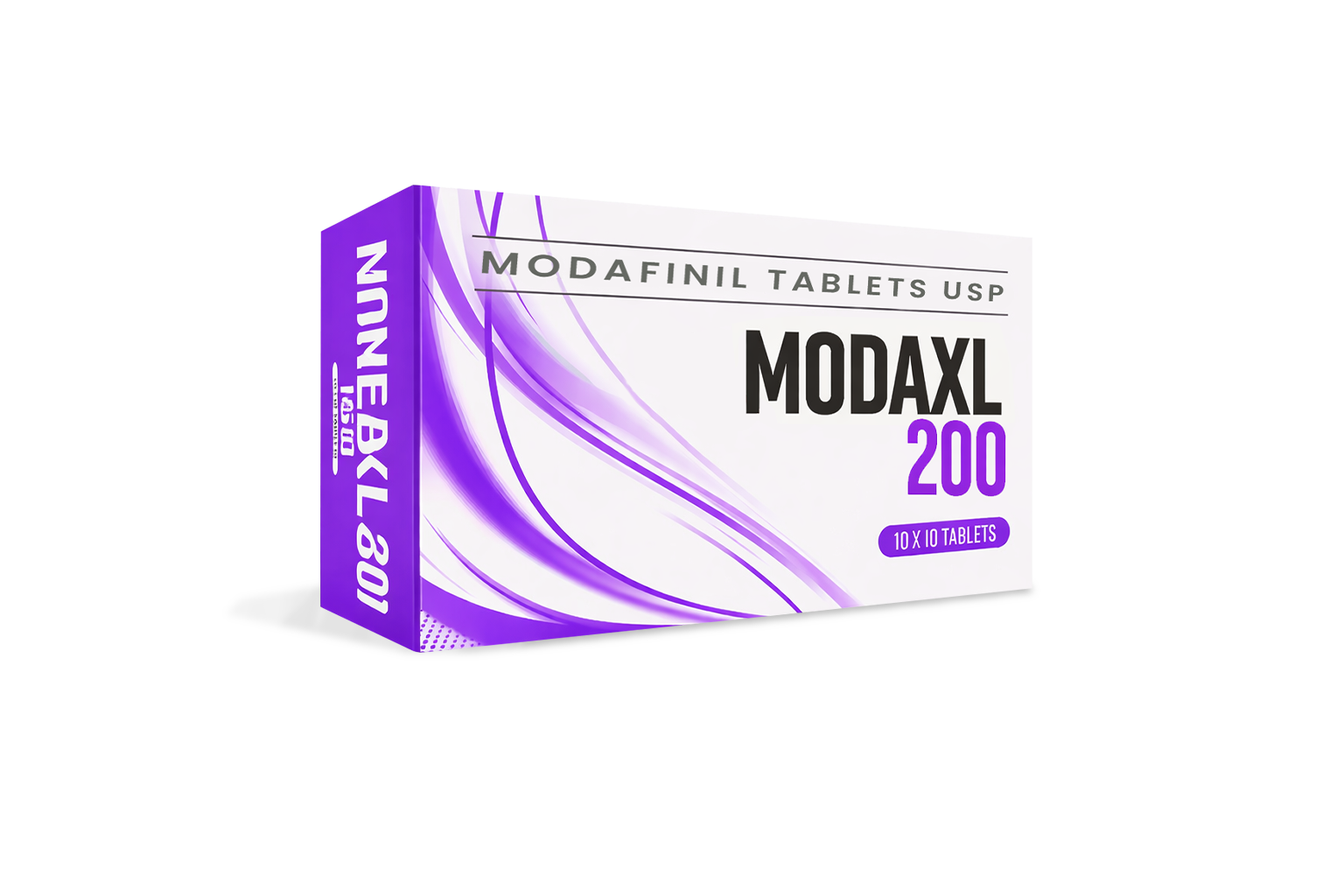
$109.00 – $449.00Price range: $109.00 through $449.00Rated 5.00 out of 5Shop Now This product has multiple variants. The options may be chosen on the product pageModaxl 200 mg
$129.00 – $779.00Price range: $129.00 through $779.00Rated 4.00 out of 5Shop Now This product has multiple variants. The options may be chosen on the product pageArmodacare 150 mg
$89.00 – $419.00Price range: $89.00 through $419.00Rated 4.00 out of 5Shop Now This product has multiple variants. The options may be chosen on the product pageArtvigil 150 mg
$89.00 – $419.00Price range: $89.00 through $419.00Rated 5.00 out of 5Shop Now This product has multiple variants. The options may be chosen on the product pageModalert 100 mg
$69.00 – $449.00Price range: $69.00 through $449.00Rated 5.00 out of 5Shop Now This product has multiple variants. The options may be chosen on the product pageModalert 200 mg
$69.00 – $749.00Price range: $69.00 through $749.00Rated 4.00 out of 5Shop Now This product has multiple variants. The options may be chosen on the product page





The fog thing everyone talks about
Brain fog gets thrown around a lot online, sometimes too loosely, but there’s something to it.
When your mental processing capacity is maxed out, thoughts genuinely feel slower. Not imagined-slower. Actually delayed. Like there’s a lag between deciding to think something and actually thinking it.
People describe it as trying to read through fog, or talk through cotton wool, that kind of thing. It’s not permanent, usually. But in the moment it feels like it might be.
Dopamine, sleep, and why nights feel different
Here’s something that doesn’t get talked about enough: dopamine’s role in wakefulness matters more than people realize when we’re discussing overload.
Basically, your brain uses dopamine partly to stay alert and engaged. When you’re overstimulated all day scrolling, task-switching, and notifications, that system gets taxed. By evening, you’re either wired and can’t switch off, or so drained you can’t focus on anything, including relaxing. Ironic.
This is also probably why cognitive overload tends to spike later in the day for a lot of people. Not always, though. Some people crash by 11 am. Depends on the person; depends on the week, honestly.
Symptoms that don’t always look like “overload”
If you’re looking for cognitive overload symptoms, they don’t always scream at you.
Sometimes it’s forgetting a word mid-sentence. Sometimes it’s rereading the same paragraph four times. Sometimes it’s snapping at someone over something small, which in hindsight had nothing to do with them.
It’s rarely one big obvious sign. It’s more like a bunch of small annoying ones stacking up.
Honestly, I think most people just call it “being tired” and move on, which is fair, but it’s not always accurate.
Why concentration takes the first hit
Brain function and concentration are kind of the first casualties here. Makes sense if you think about it: concentration needs spare mental capacity, and overload eats exactly that.
So you sit down to write an email, or read a report, or whatever, and your eyes move across the words, but nothing lands. You reread the same line. Again. It’s not laziness. It’s just no bandwidth left.
I’ve had days where I stared at a screen for ten minutes doing absolutely nothing productive, not because I didn’t want to work, but because there was nothing left to work with.
Managing it (imperfectly, because nothing’s a fix-all)
There’s no clean five-step solution here, despite what a lot of articles claim. But there are things that help, sort of, some days more than others.
Managing demanding mental tasks usually comes down to spacing things out rather than powering through. Sounds obvious. Rarely done.
Breaking work into chunks helps. Not because chunks are magic, but because it stops the brain from holding fifteen things at once.
Also, and this one’s boring but true: actual breaks. Not scrolling your phone breaks. Actual staring-at-a-wall or walking-outside breaks. Your brain needs the nothing sometimes.
Some people swear by writing things down to get them “out of their head. ” I go back and forth on this. Some days it helps; some days it just feels like one more task.
It’s not really about being smart or disciplined
I think there’s a weird shame attached to overload, like admitting you’re overloaded means you’re not handling things well.
But it’s not really about willpower. Your brain has a ceiling. Everyone does. Ignoring that doesn’t raise the ceiling; it just makes the crash worse later.
Cognitive overload isn’t a character flaw. It’s closer to a battery running low: you can push through for a bit, but eventually something’s got to give.
A few things that quietly make it worse
Not a complete list, just stuff that tends to pile up without people noticing:
Constant notifications. Obvious one, still underestimated.
Decision fatigue: too many small choices before noon (what to wear, what to eat, which email to answer first).
Noise. Actual background noise, or just too many people talking near you while you’re trying to think.
None of these alone are a big deal. Together, though, they add up faster than you’d expect.
So, wrapping this up sort of
Cognitive overload isn’t some rare thing that only happens to overworked executives or students during finals. It’s pretty ordinary, honestly. Most people brush past it daily without naming it.
Recognizing it, actually noticing “oh, this is that thing,” seems to help more than any specific fix does. At least that’s been true for me.
Anyway. If your brain’s been feeling like mush lately, it might just be this. Not something broken. Just… full.
Frequently Asked Questions
1. Is cognitive overload the same as stress?
Related, but not identical. Stress can cause it, but overload is more about processing limits than emotions.
2. Can you overload your brain even after sleeping the whole night?
Yes. Poor sleep quality, not just duration, can leave you foggy the next day.
3. Does cognitive overload go away on its own?
Usually, yes, once the input slows down or you rest. It’s rarely permanent.
4. Is brain fog a sign of something serious?
Not usually. Occasional fog is normal. Constant fog is worth mentioning to a doctor.
5. Can multitasking cause cognitive overload?
Pretty much, yeah. Switching tasks constantly is often worse than doing one thing at a time.