So it’s 3:02 am. Again.
Not 2:47, not 3:15. Almost always somewhere right around 3. You didn’t set an alarm. Nobody’s snoring next to you extra loud tonight. The room’s not too hot, not too cold. You just… open your eyes. Wide awake. Your brain is already halfway into some thought about a work email you sent last Tuesday.
If this is you, first you’re not broken. Second, there’s actually a decent chunk of biology behind it, and honestly, once I read into it, it made a weird kind of sense. Not comforting exactly. But it made sense.
It’s not “bad sleep,” it’s a hormone wake-up situation
Here’s the thing nobody tells you upfront. Waking at 3 am isn’t usually about sleep quality in the way we think of it, like tossing and turning all night. A lot of the time it’s a hormone wake-up moment, meaning your body is doing something on a schedule, and that schedule just happens to land in the dead of night.
Cortisol is the main one people point to. It’s not just a “stress hormone,” it’s also your wake-up hormone, weirdly enough. It’s supposed to rise in the early morning to get you moving. But in a lot of people, especially people who are anxious, overworked, or running on inconsistent sleep, that cortisol curve gets shifted earlier. Instead of climbing gently around 6 or 7 am, it spikes at 3.
I keep going back and forth on whether this is the “real” reason or just the popular one people repeat online. Probably both, honestly.
Okay, but why 3 am specifically
This part is less scientific and more just… how the body’s clock works.
Deep sleep is front-loaded into the first half of the night. By 3 am, you’ve usually cycled through most of your deep sleep, and you’re floating in lighter stages. Lighter sleep means it takes way less to nudge you awake: a hormone wake signal, a noise, a full bladder, whatever.
Also, your body temperature dips lowest around this time. Some people say that dip itself can trigger a kind of alertness response. Not fully sold on that one, but it’s out there.
And then there’s the liver thing. Traditional Chinese medicine says 3 to 5 am is “liver time.” I’m not saying I believe it, just saying it’s an old idea that keeps popping up whenever someone asks Why do I wake up at 3 am every night, so I figured it’s worth a mention even if the science behind it is thin.
TOP PRODUCTS

Modacare 200 mg
$109.00 – $449.00Price range: $109.00 through $449.00Rated 5.00 out of 5Shop Now This product has multiple variants. The options may be chosen on the product pageModaxl 200 mg
$129.00 – $779.00Price range: $129.00 through $779.00Rated 4.00 out of 5Shop Now This product has multiple variants. The options may be chosen on the product pageArmodacare 150 mg
$89.00 – $419.00Price range: $89.00 through $419.00Rated 4.00 out of 5Shop Now This product has multiple variants. The options may be chosen on the product pageArtvigil 150 mg
$89.00 – $419.00Price range: $89.00 through $419.00Rated 5.00 out of 5Shop Now This product has multiple variants. The options may be chosen on the product pageModalert 100 mg
$69.00 – $449.00Price range: $69.00 through $449.00Rated 5.00 out of 5Shop Now This product has multiple variants. The options may be chosen on the product pageModalert 200 mg
$69.00 – $749.00Price range: $69.00 through $749.00Rated 4.00 out of 5Shop Now This product has multiple variants. The options may be chosen on the product page





The cortisol and blood sugar combo nobody explains well
If you eat dinner early, or don’t eat enough carbs at night, blood sugar can drop pretty low while you sleep. Your body doesn’t love that. So it releases cortisol and adrenaline to bump sugar back up.
Guess when that dip tends to happen. Yeah. Early hours.
This is one of those hormone wake triggers that’s actually kind of fixable; like a small snack before bed, something with a bit of protein and complex carbs, can sometimes stop the whole thing from happening. Not guaranteed. But worth trying before you assume it’s “just anxiety” or “just getting older.”
Actually, wait, I should say, sometimes it IS just anxiety. Both can be true at once, which is annoying.
The anxiety loop that shows up right on cue
There’s something almost cruel about waking at 3 am, specifically because your brain has zero defenses up at that hour. No distractions, no phone scrolling to numb it, no coffee, no friend to text. Just you and every thought you’ve been avoiding all day.
This is where people describe waking up in the morning thinking about so many things, except it’s not morning; it’s the middle of the night, and it feels like morning because your brain is fully “on.”
Cortisol being elevated doesn’t help either; it’s already a fight-or-flight hormone, so when it spikes at the wrong time, your brain treats 3 am like an emergency meeting that nobody scheduled.
Wait, is this connected to eating too?
Kind of, yeah. Some people notice anxiety after eating, especially heavier meals late at night, and that same blood-sugar-crash pattern can carry into sleep. Digestion pulls resources, blood sugar swings, and cortisol steps in to “help,” and now you’re up at 3 with a racing heart for no clear reason.
But if this pattern feels familiar, it might be worth paying attention to what and when you’re eating, not just how you’re sleeping.
What if it happens literally every night, though
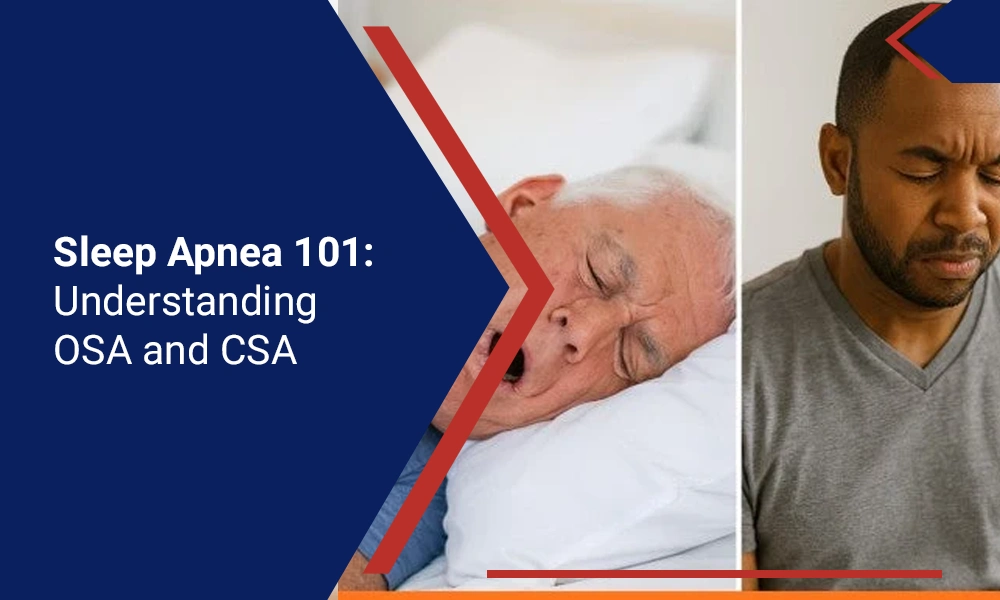
If it’s occasional, fine, probably just stress or a bad day. But if you’re waking at the same time consistently, night after night, that’s a slightly different conversation. Some sleep specialists link frequent early morning waking to sleep apnea, perimenopause, depression, or thyroid stuff, none of which I can diagnose over a blog post, obviously.
There’s also a real, recognized thing sometimes casually called a “can’t wake up in the morning disorder,” which sounds like the opposite problem, but stick with me: where the body’s circadian rhythm is just out of sync in general. Sometimes people who struggle to wake up normally also wake up randomly at odd hours like 3 am, because the whole rhythm is off, not just one end of it.
So yeah. Confusing. Same root cause, different symptoms depending on the person.
So what actually helps
I don’t love giving a neat little list here because, honestly, nothing works the same for everyone. But a few things that keep coming up:
Keeping a consistent bedtime, even on weekends. Not fun, but apparently it steadies the cortisol rhythm so the hormone wake signal doesn’t get pushed to 3 am.
Not eating dinner too early, or adding a small snack if dinner was hours before bed.
Cutting caffeine earlier than you think you need to, like actually before noon for some people.
Dealing with the anxiety piece separately, because no amount of blood sugar management fixes a brain that’s replaying an argument from 2019.
And on the flip side, if you’re the person who struggles with how to wake up early on purpose, weirdly the fixes overlap: light exposure in the morning, consistent sleep timing, and less screen time right before bed. Same rhythm, different end of the clock.
Does it ever just… go away?
Sometimes. I’ve heard from people where it lasted a rough stretch of a few weeks, a few months, then quietly stopped once stress eased up or their eating schedule normalized. For others it’s more chronic and tied to something ongoing, like anxiety they’ve had for years.
I wish I had a cleaner answer here. I don’t think there is one.
If you’re someone who says I wake up in the morning and it’s already 3 am mentally speaking, you’re clearly not alone; it’s one of the most searched sleep complaints out there, which says something.
One last thing
Try not to check the clock. I know, easier said than done. But confirming it’s 3:07 am every single time kind of trains your brain to expect it, almost like setting an internal alarm without meaning to. Turn the clock face away if you have to.
Anyway. That’s roughly the whole tangled mess of it: part biology, part stress, part timing, and part mystery.
Frequently Asked Questions
1. Why do I always wake up around the same time, like 3 am?
Usually it’s a hormone shift, with cortisol rising earlier than it should, sometimes tied to blood sugar or stress.
2. Is waking up at 3 am a sign of anxiety?
It can be. Cortisol spikes and anxiety often show up together, especially in that quiet, distraction-free hour.
3. Does eating late affect this?
Sometimes. A blood sugar dip overnight can trigger the same wake-up response, so timing meals matters for some people.
4. Should I be worried if it happens every night?
If it’s frequent and consistent, it’s worth mentioning to a doctor that it could be stress, hormones, or something like sleep apnea.
5. What's the fastest way to stop it?
No instant fix, honestly. A steady bedtime, less late caffeine, and a small evening snack tend to help most people over time.