The Japanese trick for sleep apnea gets searched a lot, usually by people hoping there is one small habit that stops snoring, gasping, or waking up exhausted.
There isn’t one recognized Japanese cure for sleep apnea. That is the awkward truth. What shows up online is usually a mixture of ideas: sleeping on your side, improving nasal breathing, trying tongue exercises, using a firmer pillow, and paying more attention to weight, alcohol, and sleep routines
Some of those things may help certain people. But they are not a replacement for diagnosis or treatment, especially if breathing repeatedly stops during sleep.
A lot of the confusion comes from short videos. Someone says they changed how they breathed, taped their mouth, or did a few exercises and slept better. That may be their experience. It does not automatically mean their sleep apnea disappeared.
What people mean by the Japanese trick for sleep apnea
Usually, people are talking about natural-style sleep habits rather than a medical technique from Japan.
It might mean lying on the side instead of the back. It might mean keeping the nose clear and avoiding mouth breathing. Sometimes it refers to facial, throat, or tongue movements meant to strengthen the muscles around the airway.
The wording makes it sound mysterious. In reality, most of these approaches are familiar sleep-apnea self-care ideas wearing a new label.
The Japanese trick for sleep apnea may be worth looking at as a set of supportive habits, not as a cure you can rely on after watching one video.
TOP PRODUCTS

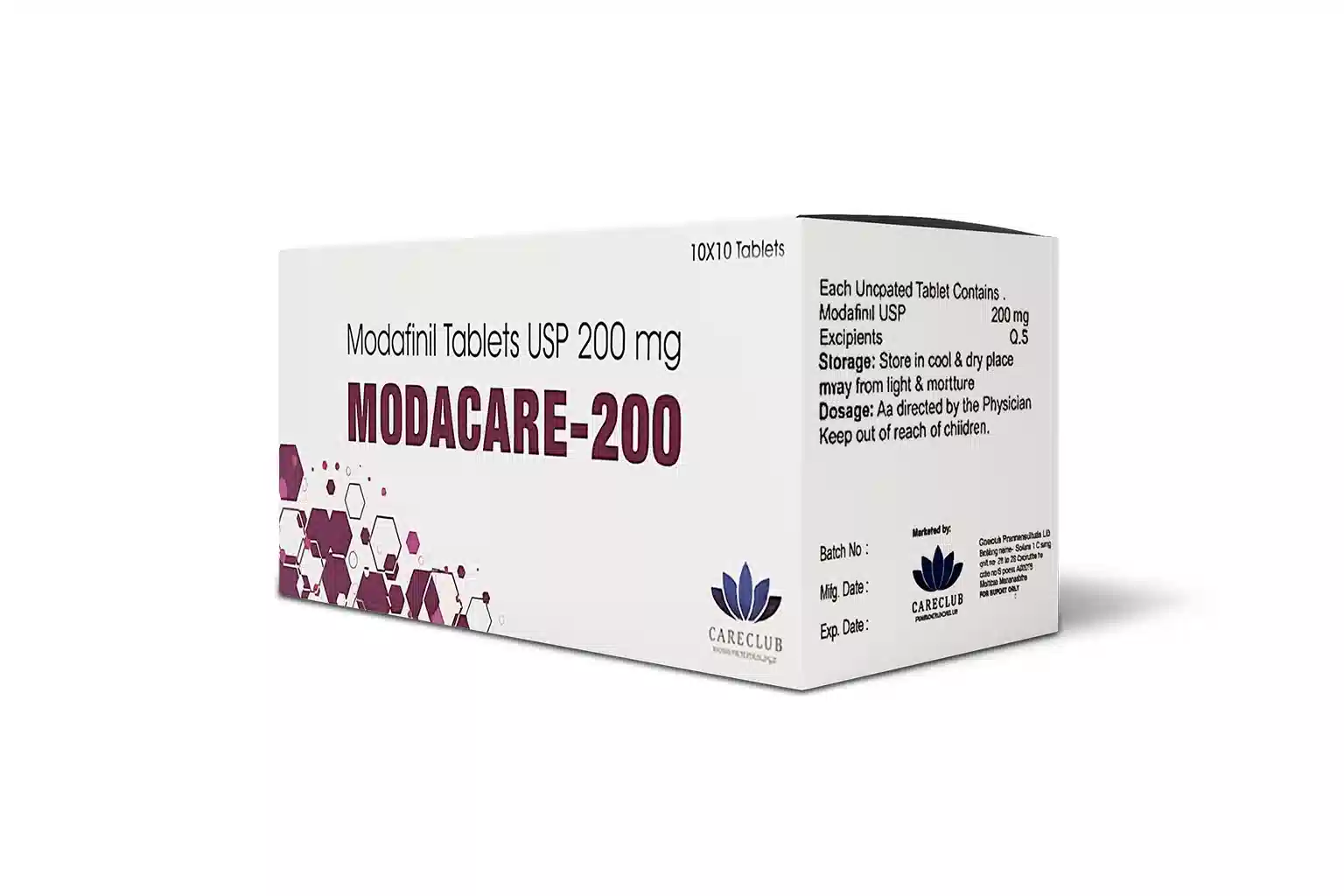
Modacare 200 mg
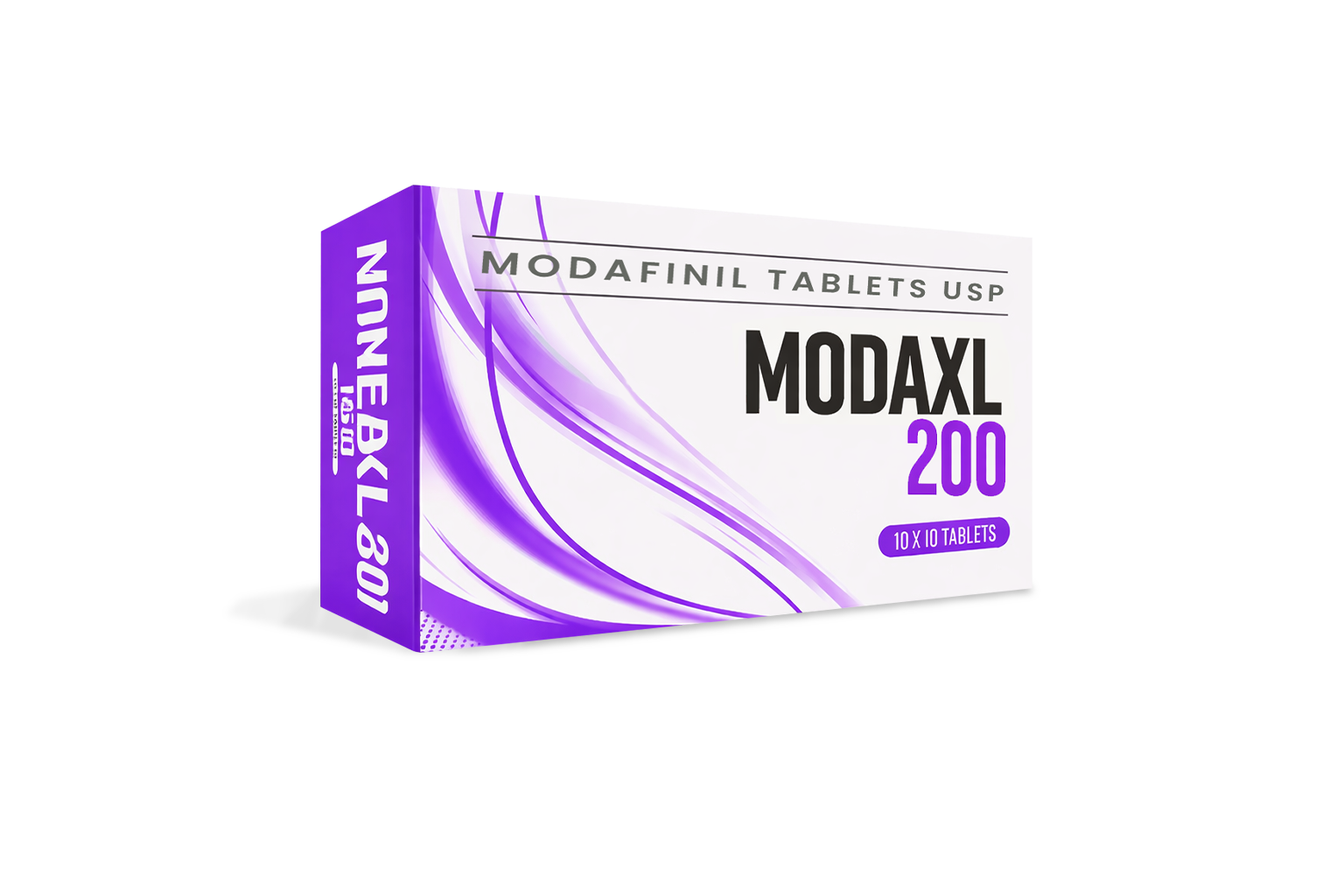
$109.00 – $449.00Price range: $109.00 through $449.00Rated 5.00 out of 5Shop Now This product has multiple variants. The options may be chosen on the product pageModaxl 200 mg
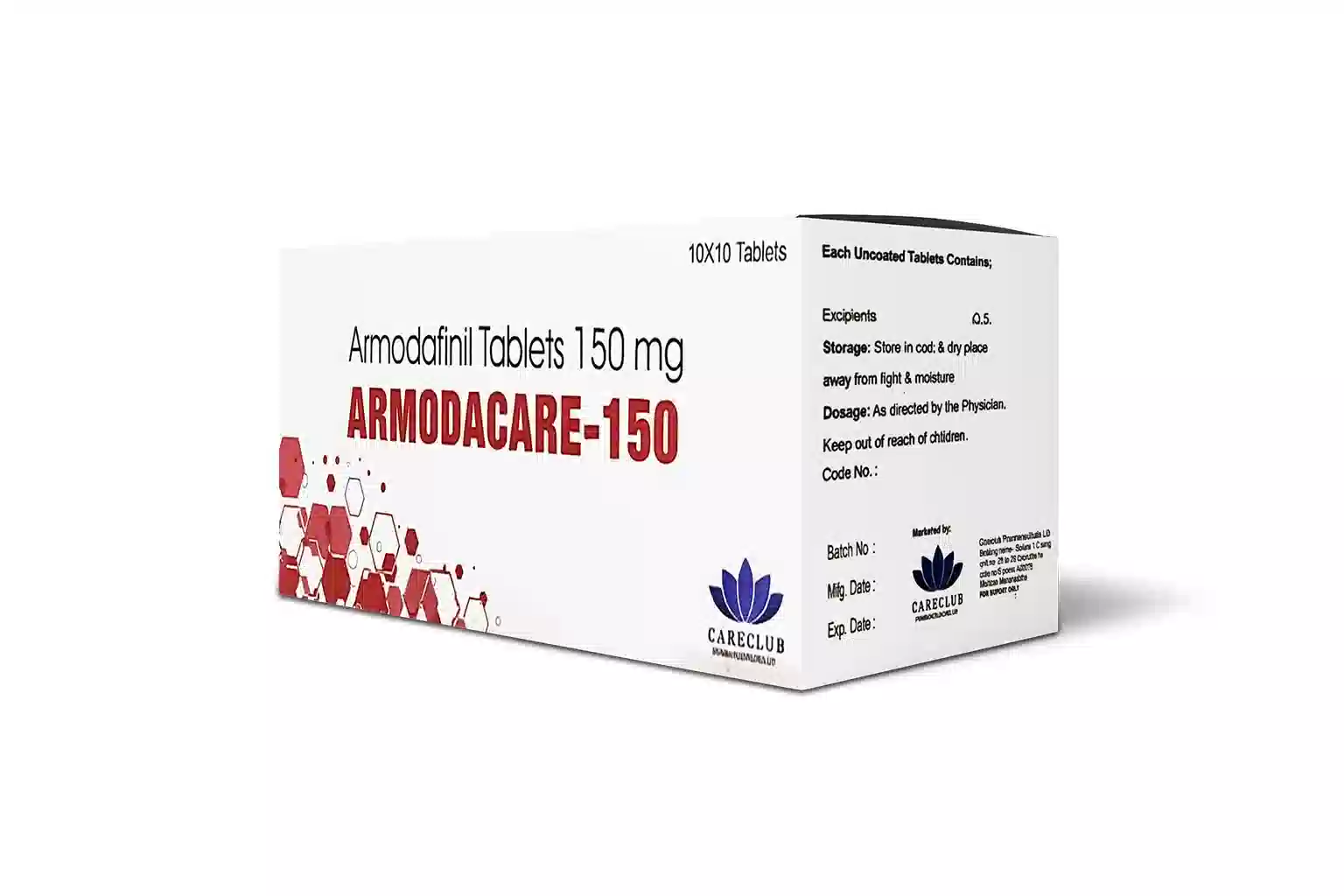
$129.00 – $779.00Price range: $129.00 through $779.00Rated 4.00 out of 5Shop Now This product has multiple variants. The options may be chosen on the product pageArmodacare 150 mg
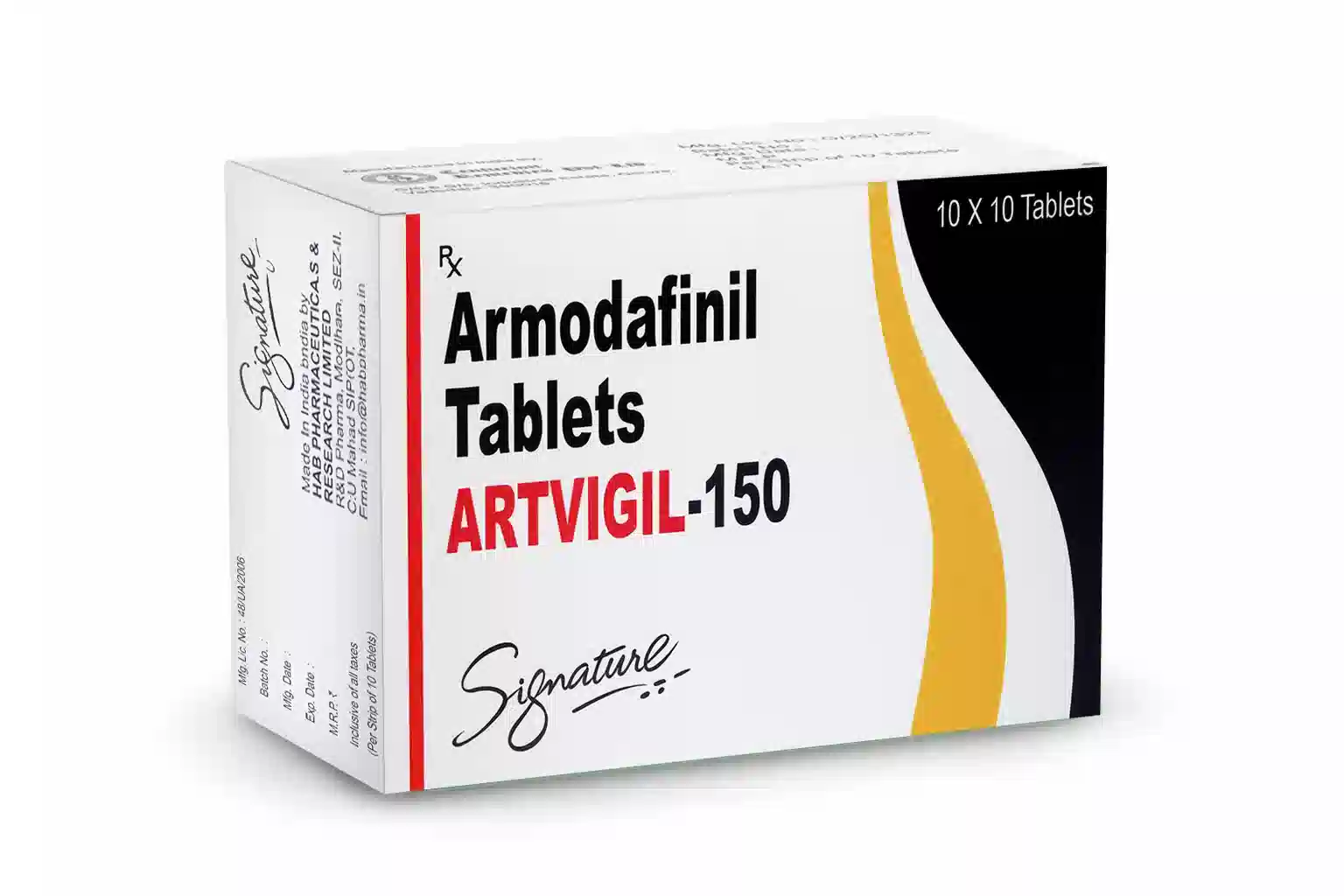
$89.00 – $419.00Price range: $89.00 through $419.00Rated 4.00 out of 5Shop Now This product has multiple variants. The options may be chosen on the product pageArtvigil 150 mg
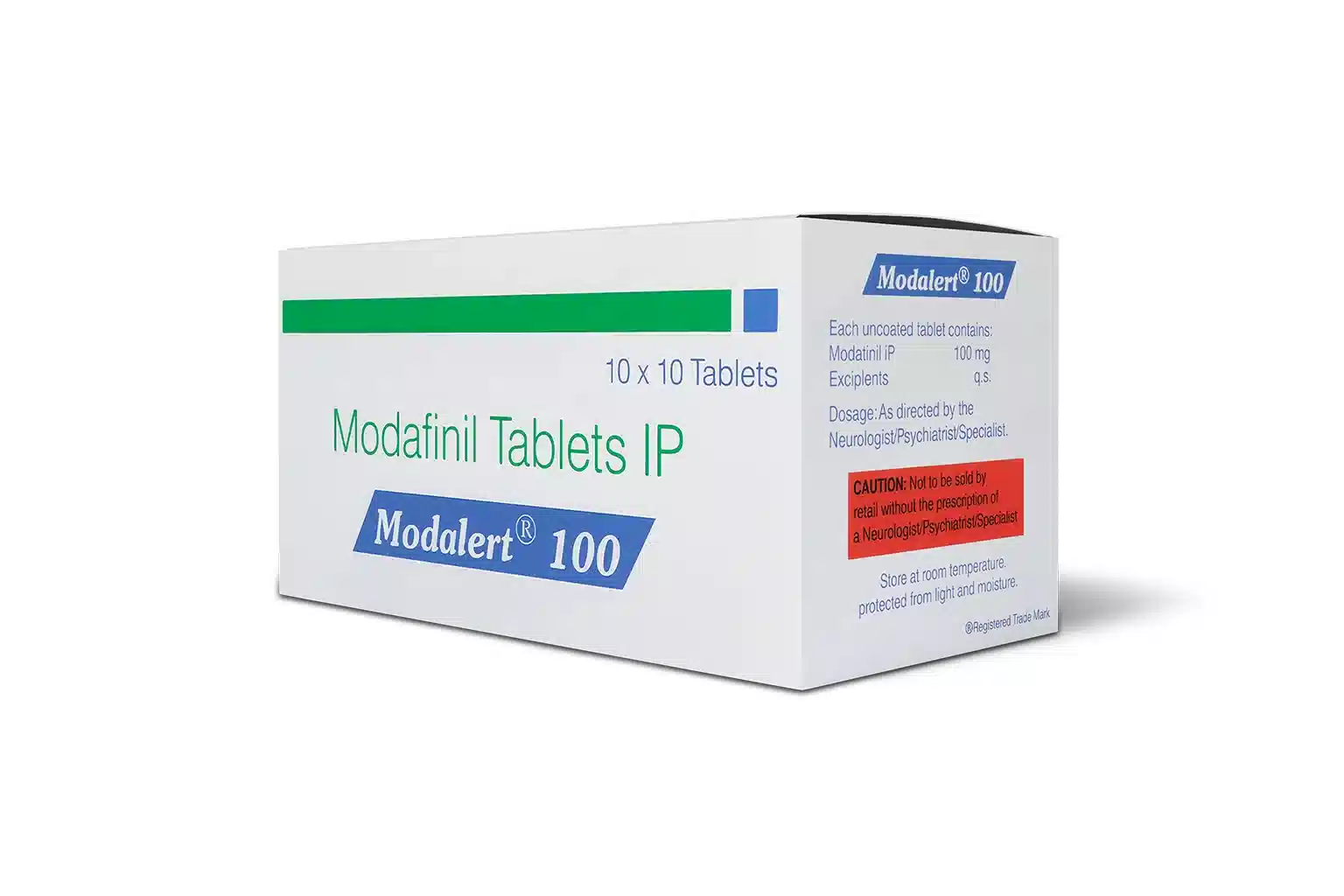
$89.00 – $419.00Price range: $89.00 through $419.00Rated 5.00 out of 5Shop Now This product has multiple variants. The options may be chosen on the product pageModalert 100 mg
$69.00 – $449.00Price range: $69.00 through $449.00Rated 5.00 out of 5Shop Now This product has multiple variants. The options may be chosen on the product pageModalert 200 mg
$69.00 – $749.00Price range: $69.00 through $749.00Rated 4.00 out of 5Shop Now This product has multiple variants. The options may be chosen on the product page
Does the Japanese method actually work?
It depends on what “work” means.
If a person has mild snoring because they sleep flat on their back after a few drinks, side sleeping and better bedtime habits may make a noticeable difference. If someone has diagnosed moderate or severe obstructive sleep apnea, simple home changes are much less likely to be enough.
Sleep apnea happens when the upper airway narrows or collapses during sleep. This can reduce oxygen levels and repeatedly wake the brain, often without the person remembering it. It is not just loud snoring.
So yes, lifestyle changes can be useful. But no, they should not be assumed to treat the underlying condition on their own.
That distinction matters more than people think.
Mouth taping and nasal breathing
Mouth taping is one of the most talked-about versions of the Japanese trick for sleep apnea. The idea is that keeping the mouth closed encourages breathing through the nose.
Nasal breathing can feel more comfortable for some people, particularly when the nose is clear. But taping the mouth shut is not a safe DIY solution for everyone. It can be risky if you have blocked nasal passages, allergies, a deviated septum, reflux, anxiety around breathing, or possible sleep apnea that has not been assessed.
It can also create a false sense that you are “fixing” the issue while the airway is still collapsing further down in the throat.
If you wake up choking, feel sleepy during the day, or your partner notices pauses in breathing, mouth tape is not where to start.
Japanese breathing exercises for sleep apnea
Breathing exercises may help with awareness of nasal breathing, relaxation, and perhaps mild snoring in some situations. Slow breathing before bed can also make it easier to settle down, which is useful in its own way.
But breathing exercises do not physically hold an airway open once you are deeply asleep.
That is the main limitation. You can breathe beautifully while awake and still have obstructive events at night.
Some people combine gentle breathing practice with throat and tongue training. That can be reasonable when guided by a clinician, dentist, speech therapist, or sleep specialist. Just do not expect a few minutes of breathing practice to replace medical treatment.
Best sleeping position for sleep apnea
For many people, side sleeping is better than sleeping on the back. When you lie on your back, gravity can let the tongue and soft tissues fall backward, making airway narrowing more likely.
The Japanese trick for sleep apnea often includes side sleeping, sometimes with a body pillow or a cushion behind the back to stop rolling over.
It is simple, and it can genuinely help positional sleep apnea. Not everyone has positional apnea, though. Some people still have significant breathing interruptions in every position.
You can try a side-sleeping setup without much risk. Think of it as a useful experiment, not proof that you no longer need a sleep test.
Raising the head of the bed slightly may also help some people, especially if reflux or congestion makes nighttime breathing worse.
Tongue and throat exercises
Tongue and throat exercises are sometimes called myofunctional therapy. They involve repeated movements of the tongue, jaw, lips, and soft palate.
They sound almost too basic to matter. Still, there is some evidence that structured upper-airway exercises can improve mild obstructive sleep apnea for some adults, particularly as part of a wider plan.
Examples can include pressing the tongue against the roof of the mouth, controlled swallowing exercises, and certain vowel sounds. But they need consistency over weeks or months, and results vary a lot.
This is not really a quick Japanese trick for sleep apnea. It is closer to physiotherapy for the mouth and throat: boring, repetitive, possibly helpful, but not magic.
Weight management and sleep apnea
Weight is not the only cause of sleep apnea. Plenty of people in smaller bodies have it because of jaw shape, airway anatomy, hormones, nasal obstruction, or other factors.
Still, excess weight around the neck and upper airway can make obstructive sleep apnea worse. For people where weight is a contributing factor, gradual weight loss may reduce the severity of symptoms.
It does not need to be extreme. Even modest changes can sometimes help, alongside proper treatment.
Also, be careful with the idea that weight loss means you can stop CPAP. A repeat sleep assessment is the sensible way to know whether treatment needs have changed.
Nasal strips and nasal dilators
Nasal strips and internal nasal dilators can make nasal airflow feel easier. They may help someone who snores because of nasal congestion or narrowed nostrils.
They do not treat the throat collapse that causes most obstructive sleep apnea.
That does not make them pointless. If blocked nasal breathing makes CPAP uncomfortable, improving nasal airflow may make treatment easier to tolerate. But they should not be marketed to you as a cure.
The Japanese trick for sleep apnea gets tied to these products online because they are easy to buy and easy to demonstrate. Easy is not always effective, unfortunately.
Japanese sleep habits and sleep apnea
Japan is often associated with careful routines, lighter evening meals, walking, bathing, and attention to sleep environment. Those habits can support better sleep generally.
A regular bedtime, limiting alcohol close to sleep, treating nasal allergies, avoiding sedating medicines unless prescribed, and not eating a huge meal immediately before bed can all be sensible changes.
Alcohol deserves a mention because it relaxes throat muscles and may worsen snoring and apnea. The same can happen with some sleeping pills and sedatives.
None of this is dramatic. It is the unglamorous stuff. But it may reduce triggers that make nighttime breathing worse.
Can these methods replace CPAP?
For diagnosed moderate or severe obstructive sleep apnea, usually no.
CPAP uses gentle air pressure to keep the airway open. It is still one of the most effective treatments available, even if it takes time to get used to. Mask fit, humidity, pressure settings, and nasal comfort can make a huge difference, so it is worth asking for help rather than giving up after a difficult first week.
The Japanese trick for sleep apnea may sit alongside CPAP in some cases. Side sleeping, weight management, and treating nasal blockage can all support treatment.
But, replacing your CPAP without talking to a clinician could leave your sleep apnea untreated. That can affect blood pressure, heart health, mood, concentration, driving safety, and daytime energy.
Risks of trying sleep apnea remedies at home
The biggest risk is delay.
Someone may keep buying strips, pillows, mouth tape, supplements, or devices while symptoms continue. Meanwhile, they may be falling asleep at work, feeling low and irritable, struggling with blood pressure, or becoming unsafe behind the wheel.
Avoid alcohol-based “sleep aids” as a workaround. Be cautious with sedatives too, since they can worsen breathing in some people.
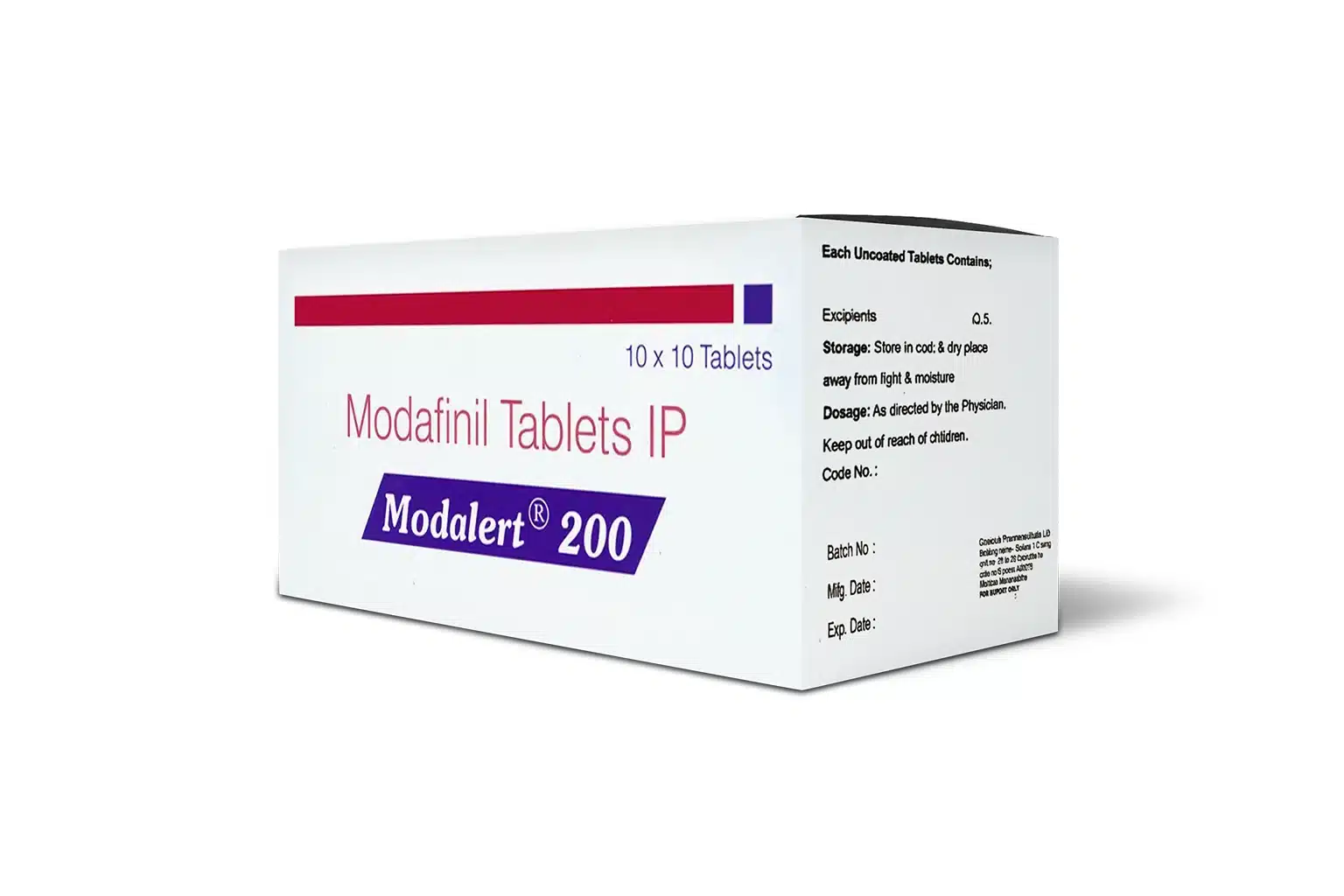
Wakefulness medicines are not treatments for the blocked airway itself. Modalert 200 mg contains modafinil, a prescription medicine used for certain conditions involving excessive sleepiness. It should only be used under medical supervision and does not replace CPAP or another prescribed apnea treatment.
That point is easy to miss when someone is desperate to feel awake again.
When to get a sleep study
A sleep study is worth discussing if you snore loudly, gasp or choke in sleep, wake with headaches, feel exhausted despite enough time in bed, or are told that you stop breathing at night.
You should also take it seriously if daytime sleepiness affects driving, work, or daily life.
Home sleep tests are available for many adults, while some people need an overnight study in a clinic. The right option depends on symptoms and medical history.
Don’t assume you need to fit a certain stereotype. Sleep apnea can affect women, younger adults and people who are not overweight either.
Medical treatment options for sleep apnea
Treatment depends on the type and severity of apnea. CPAP is common for obstructive sleep apnea, but it is not the only option.
Some people may benefit from a custom oral appliance that moves the lower jaw forward. Others may need treatment for nasal obstruction, positional therapy, weight-management support, or, in selected cases, surgery.
There are also newer options for certain patients, including nerve stimulation devices. A sleep clinician can explain what is realistic for your particular airway and sleep-study results.
If you are taking Modalert 200 mg or considering it because sleepiness is affecting your day, speak to the prescriber about whether sleep apnea has been properly treated first. Feeling more awake does not necessarily mean breathing is safer at night.
The Japanese trick for sleep apnea is best viewed as a phrase for low-risk supportive habits, not a medical answer. Side sleeping, a calmer routine, less alcohol, and better nasal comfort may be worthwhile. Just do not let a “trick” delay care for a condition that can be serious.
Frequently Asked Questions
1. Can depression make you sleep all day?
Yes. Some people with depression sleep longer than usual but still wake feeling unrefreshed.
2. Is daytime sleepiness the same as fatigue?
Not exactly. Sleepiness means you may fall asleep; fatigue is more about low energy and effort.
3. Can antidepressants cause daytime sleepiness?
Some can, especially early on or after a dose change. Speak to your prescriber before changing medication.
4. Should I worry if I fall asleep while driving?deal with the daytime sleepiness?
Yes. Stop driving when safe and seek medical advice as soon as possible.
5. Can a sleep disorder look like depression?
It can. Ongoing poor sleep and severe drowsiness can affect mood, concentration, and motivation.