Most of us think that sleep apnea is just when someone snores a little too loudly, but the reality is a little different. Two people can both wake up in a groggy state despite one snoring and the other not. We tend to think that only the person who was snoring would have woken up fatigued since they were actually struggling with sleep apnea, but even if someone does not necessarily snore, it doesn’t mean they cannot struggle with sleep apnea.
This is why it’s important for all of us to understand how central sleep apnea vs. obstructive sleep apnea works. Both of the conditions interrupt our breathing when we sleep, and both of them can leave us drained and tired throughout the rest of our days, but they both develop for different reasons, need different treatment methods, and have different health considerations that need to be taken into account.
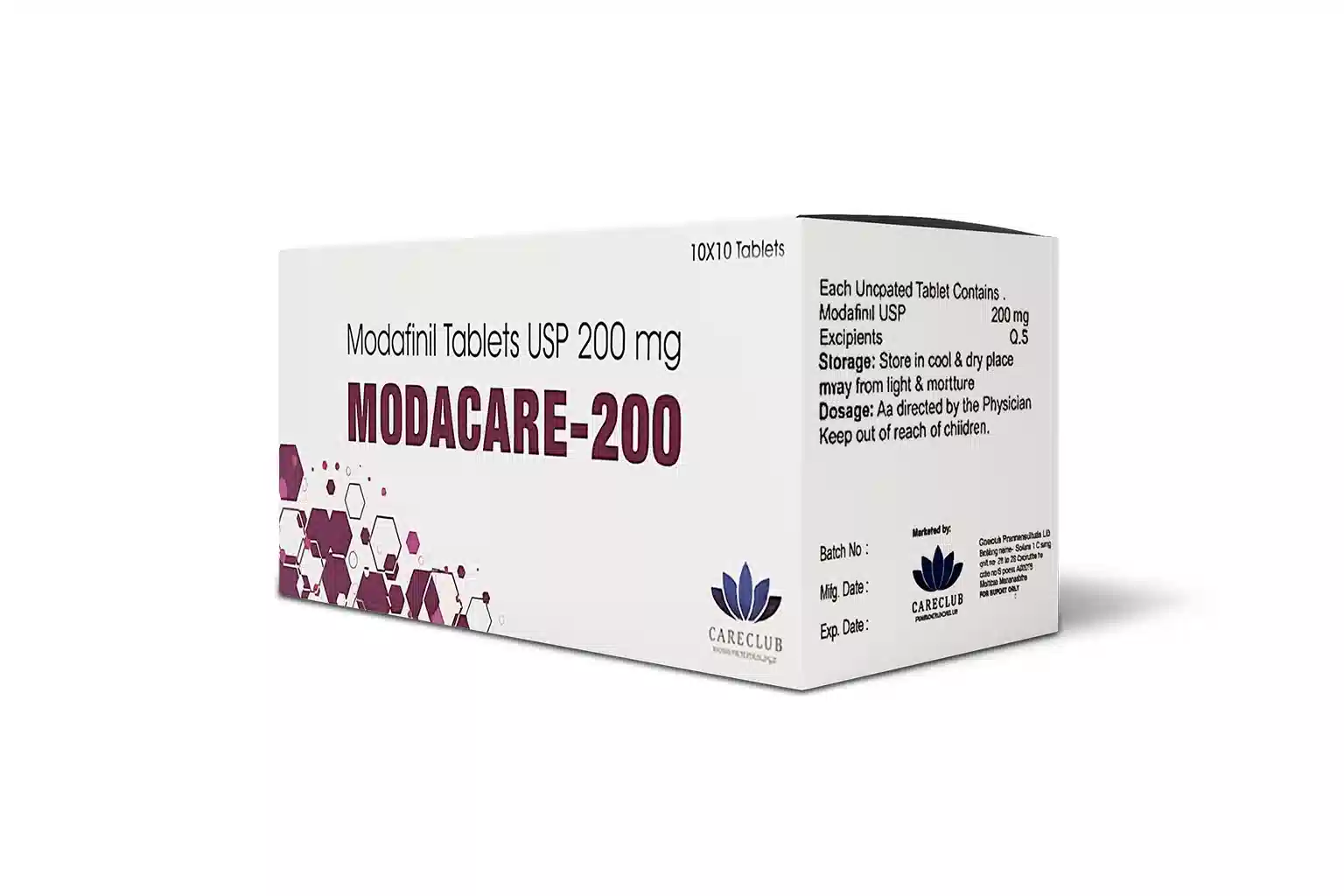
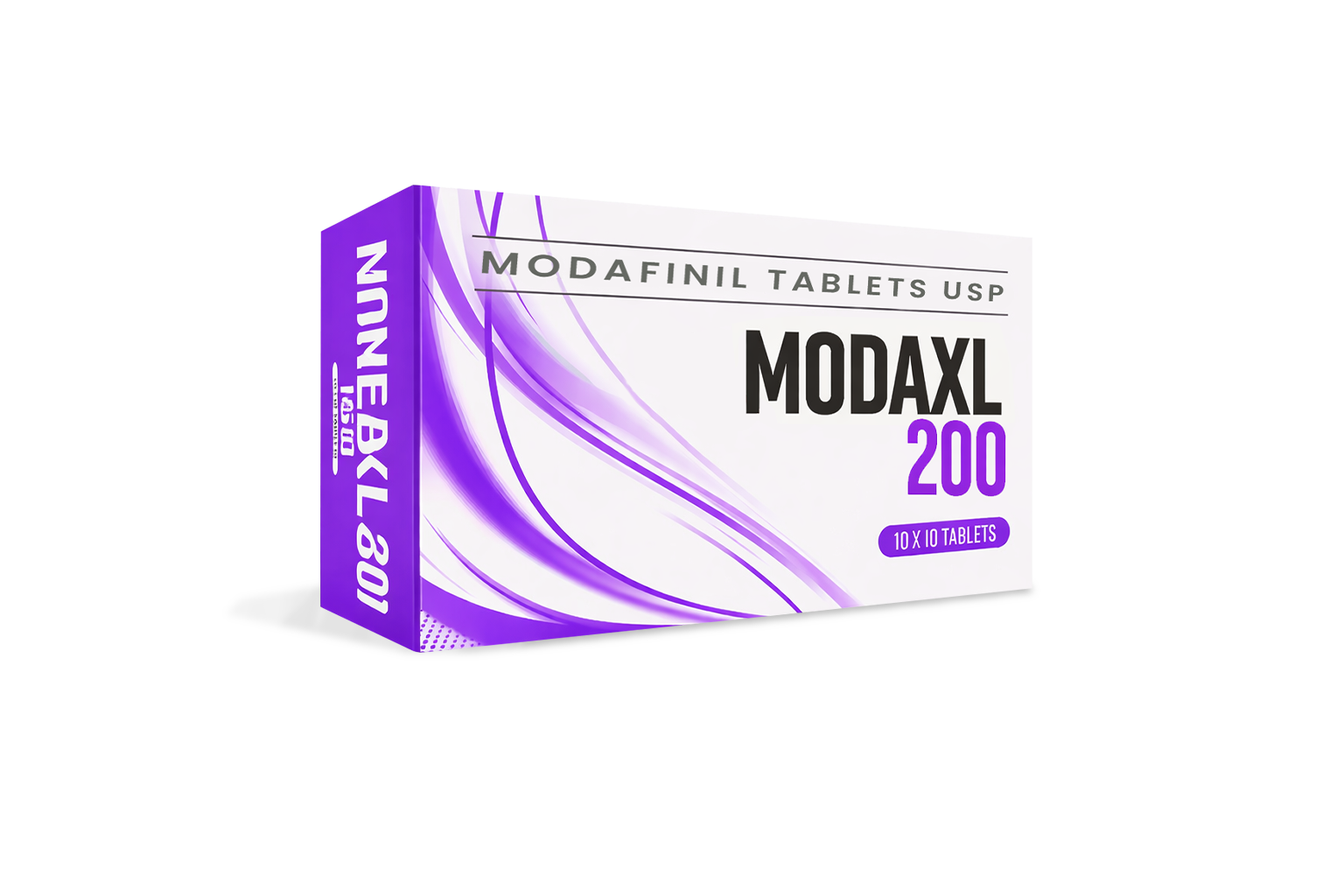
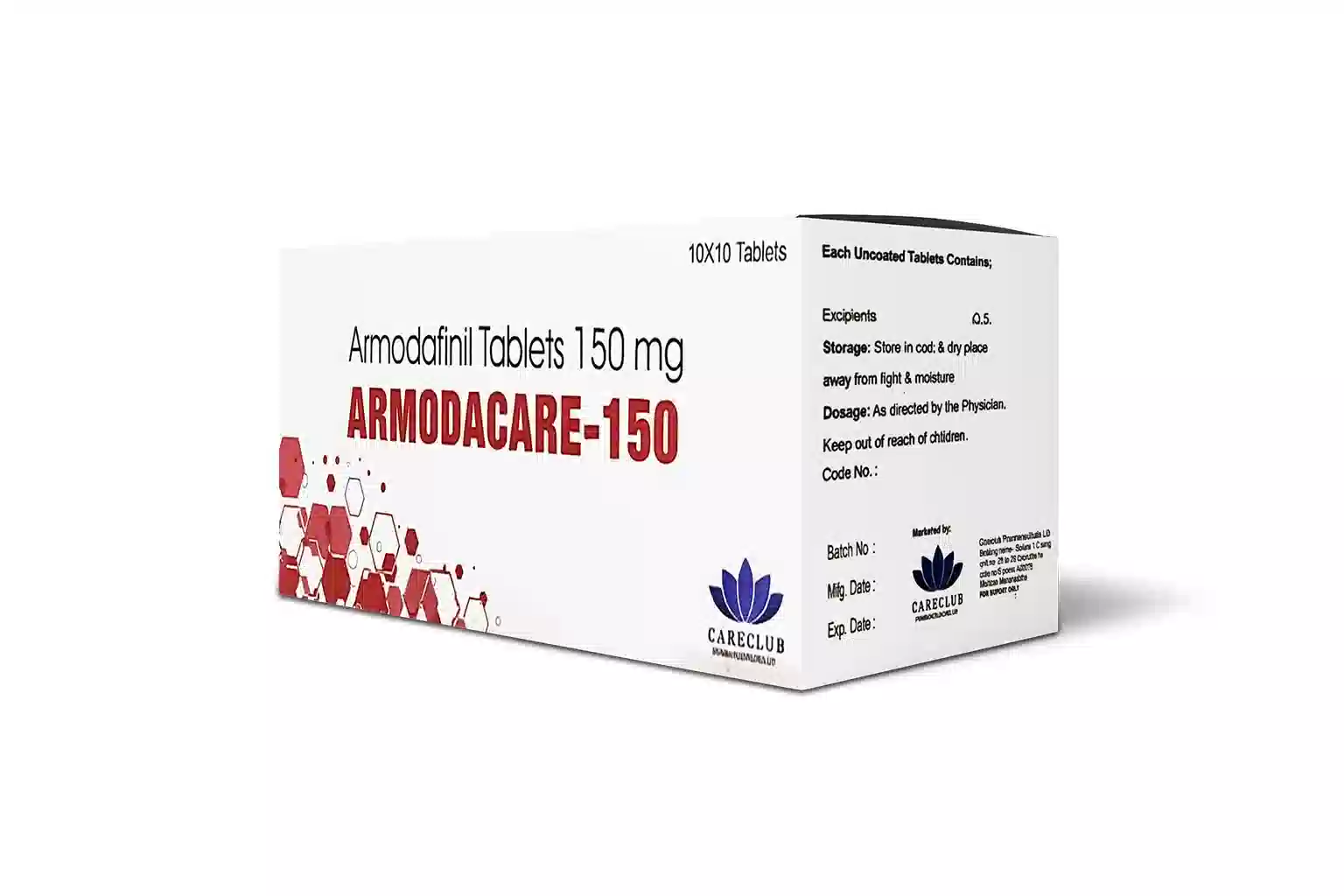
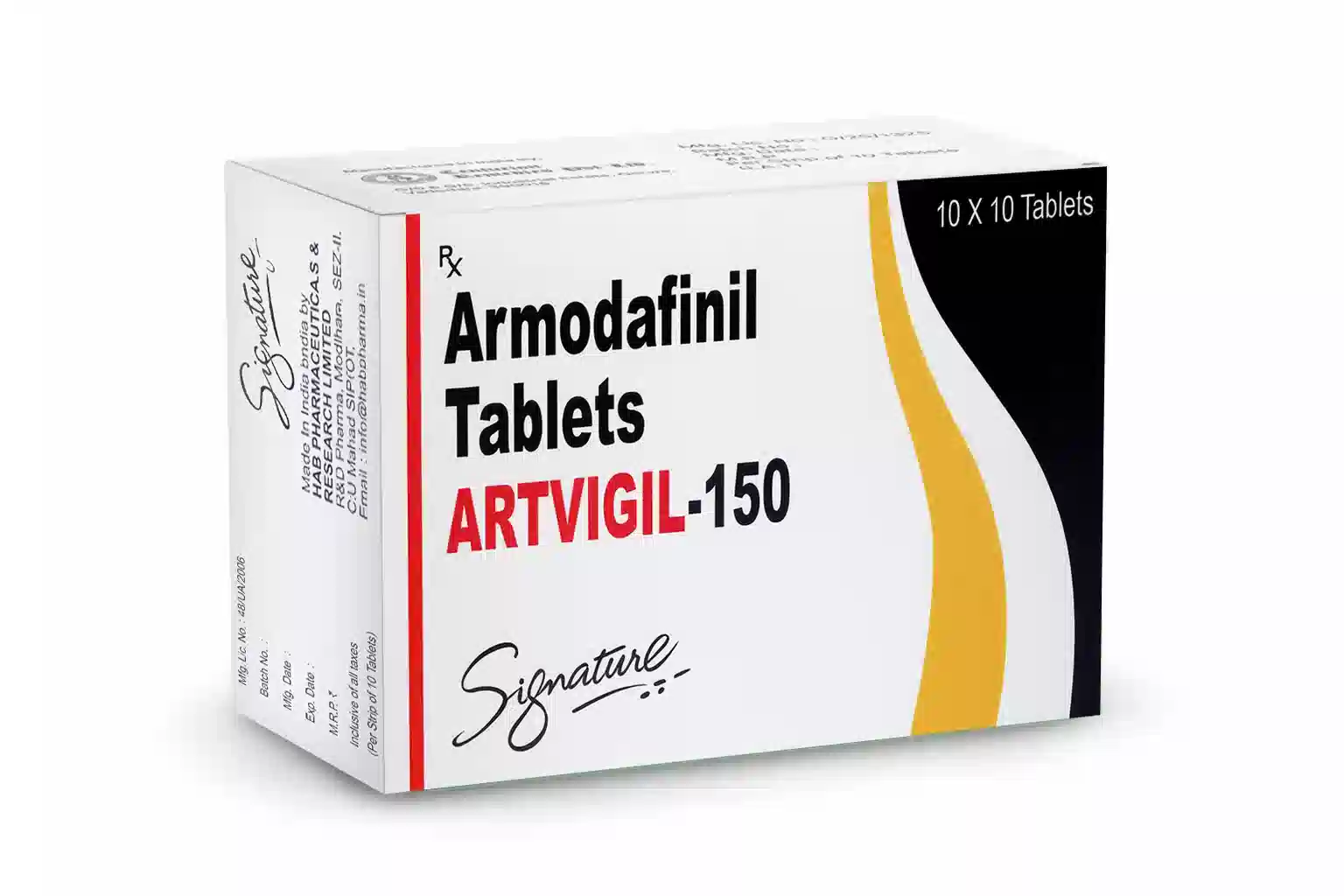
If either of these conditions is left untreated, they can increase the risk of high blood pressure, heart diseases, or strokes. Both of the conditions can also lead to poor concentration and individuals feeling too sleepy during the day to function properly. This is why knowing the type of sleep apnea you have is basically the first step to getting treated accordingly. We go through both of the apneas in this guide and compare their symptoms, causes, and treatment options that are available to individuals such as Artvigil 150 mg, Modacare 200 mg, or Armodaxl 150 mg.
TOP PRODUCTS

Modacare 200 mg
$109.00 – $449.00Price range: $109.00 through $449.00Rated 5.00 out of 5Shop Now This product has multiple variants. The options may be chosen on the product pageModaxl 200 mg
$129.00 – $779.00Price range: $129.00 through $779.00Rated 4.00 out of 5Shop Now This product has multiple variants. The options may be chosen on the product pageArmodacare 150 mg
$89.00 – $419.00Price range: $89.00 through $419.00Rated 4.00 out of 5Shop Now This product has multiple variants. The options may be chosen on the product pageArtvigil 150 mg
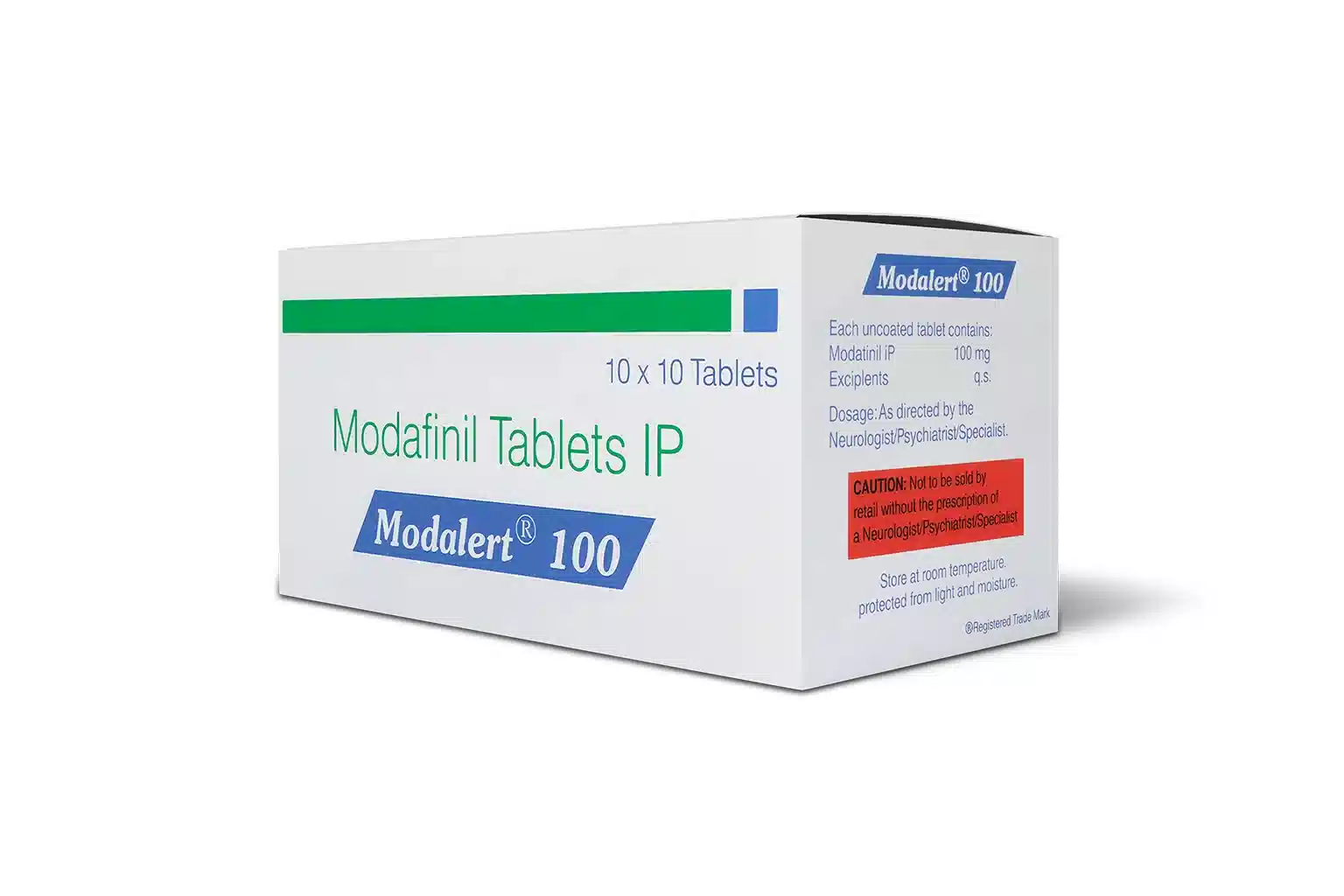
$89.00 – $419.00Price range: $89.00 through $419.00Rated 5.00 out of 5Shop Now This product has multiple variants. The options may be chosen on the product pageModalert 100 mg
$69.00 – $449.00Price range: $69.00 through $449.00Rated 5.00 out of 5Shop Now This product has multiple variants. The options may be chosen on the product pageModalert 200 mg
$69.00 – $749.00Price range: $69.00 through $749.00Rated 4.00 out of 5Shop Now This product has multiple variants. The options may be chosen on the product page
What is Sleep apnea?
Sleep apnea is a sleep disorder in which breathing repeatedly stops and starts during sleep. These interruptions may last anywhere from a few seconds to over a minute and can happen dozens, or even hundreds, of times each night.
Sleep apnea is a kind of sleep disorder where an individual’s breathing keeps stopping and starting repeatedly when they are asleep. These hiccups in the breathing process can be just for a few seconds or even for over a minute. They can also happen a dozen or even a hundred times throughout the night. That is a pretty scary statistic once we think about it.
Each pause that your body takes throughout the breathing process interferes with your sleep cycle. You might think to yourself that you did not even wake up during the night, but that’s the thing. People who have sleep apnea don’t remember waking up at all, but their bodies do struggle to reach the deep sleep stages again and again. This is why some people, even after sleeping for a good 7-8 hours, still feel tired in the morning, and their body struggles to catch up.
Sleep apnea is not just of one kind. Yes, OSA is typically the most common kind of apnea, but there are mainly three different types of sleep apnea, which are as follows:
- Obstructive Sleep Apnea (OSA): OSA is when the upper airway of the body keeps repeatedly collapsing during the night and physically blocks the airflow.
- Central Sleep Apnea (CSA): In CSA, the sleep airways remain open, but the brain fails to send signals to the body to breathe properly.
- Complex Sleep Apnea Syndrome: Lastly, this is a combination of both OSA and CSA.
Obstructive is like covering the nozzle with your hand, but central is like the vacuum just loses power for a bit.
Sleep apnea symptoms
This is where it gets confusing honestly. Sleep apnea symptoms in general include daytime tiredness, morning headaches, waking up groggy, and trouble focusing, and these symptoms show up in both types of sleep apnea. So symptom-spotting alone won’t tell you which one you have.
But there are some tells. Obstructive sleep apnea symptoms usually include loud snoring, choking or gasping sounds, and a partner telling you that you stopped breathing (with effort, like you’re trying to breathe and can’t). Central sleep apnea symptoms tend to be quieter. There’s less snoring, sometimes none at all, but more waking up short of breath, and more fragmented sleep without the obvious gasping drama.
Both types can raise blood pressure over time and put a strain on the heart, so neither one is something to just shrug off even if it feels manageable day to day. That overlap in long-term risk is honestly one of the bigger reasons central sleep apnea vs. obstructive sleep apnea gets treated seriously by doctors, not just as a sleep quality issue.
Causes of sleep apnea
Causes of sleep apnea for the obstructive type usually circle around anatomy and weight. Excess tissue around the neck, large tonsils, jaw shape, sleeping on your back, and alcohol before bed, which relaxes the throat further, are all factors. Pretty mechanical stuff.
Central sleep apnea causes are a whole different conversation. The causes could include heart failure, stroke, opioid use, high altitude, and some neurological conditions. It’s tied to how the brainstem regulates breathing, so it shows up alongside other serious health issues a lot of the time. Which honestly makes it feel heavier when someone gets that diagnosis, because it’s rarely just “you have apnea” but also connected to something else going on.
This is the part people miss in a lot of central sleep apnea vs. obstructive sleep apnea comparisons. They treat both as equally random when really the central type is often a downstream symptom of another condition.
Treatment doesn’t look the same either
CPAP therapy is the standard first-line treatment for obstructive sleep apnea. It helps in keeping the airway propped open with air pressure so it can’t collapse. It works well for a lot of people, though plenty struggle with the mask, the noise, and just sleeping with a machine strapped to your face in general.
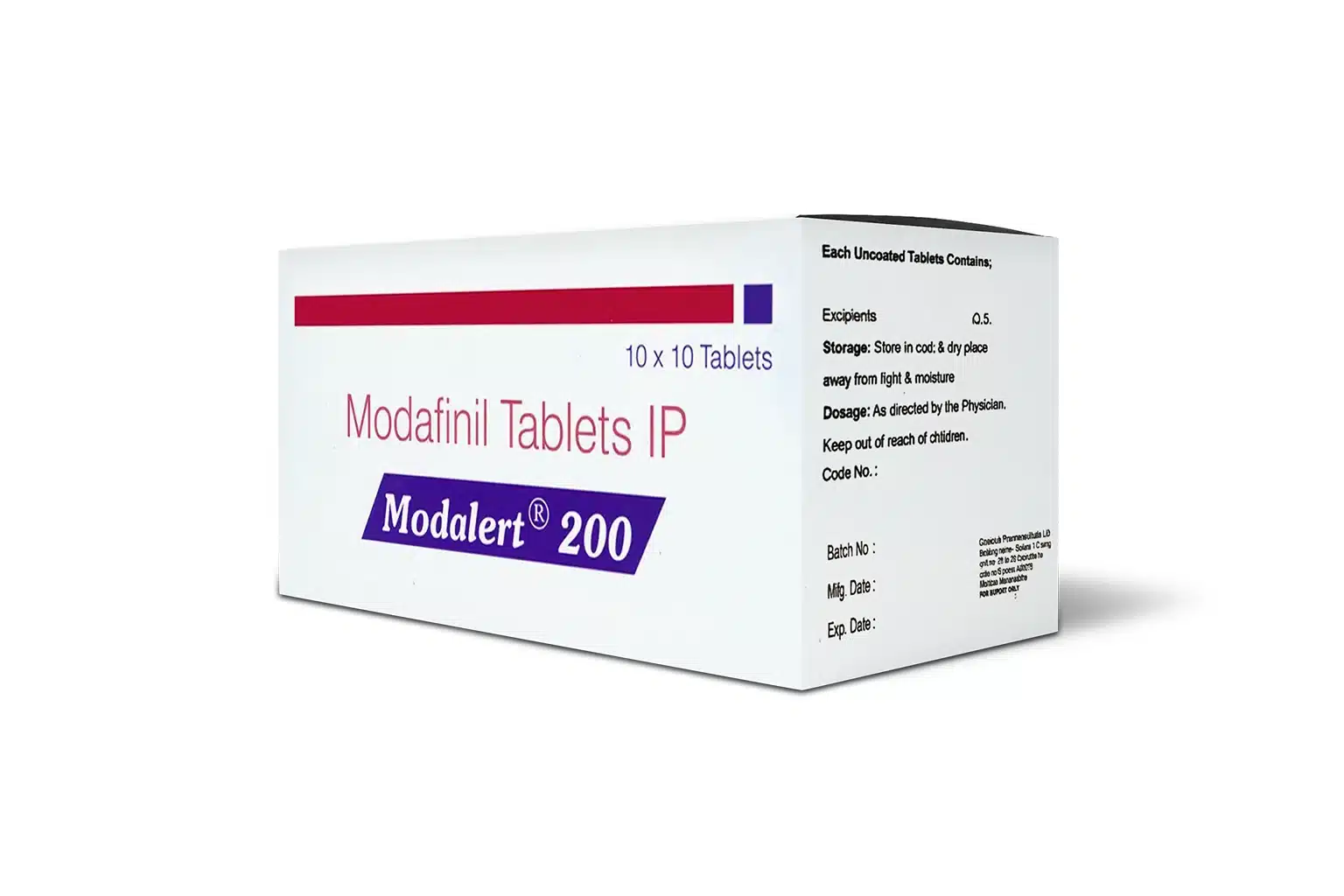
For central sleep apnea, CPAP therapy sometimes helps, sometimes doesn’t, because the problem isn’t a blocked airway, so the pressure alone can’t fix a missing signal. Physicians might use adaptive servo-ventilation instead or address whatever’s causing the central apnea in the first place (like managing heart failure or adjusting opioid medication). Some cases use medications that stimulate breathing drive. Wakefulness-promoting medications that contain modafinil or armodafinil are also used by individuals who have OSA and need to stay alert throughout the day.
Central vs. obstructive sleep apnea treatment really is a fork in the road depending on diagnosis, and that’s usually settled with an overnight sleep study that tracks whether there’s respiratory effort during the pauses or not.
Prevalence of OSA and CSA
This part surprises people. Obstructive sleep apnea is the common one by a wide margin, estimates suggest up to 30% of adults have it, though most, up to 90%, don’t even know. Central sleep apnea is much rarer, affecting fewer than 1% of adults.
So when someone’s worried they have “sleep apnea,” statistically it’s almost always going to be the obstructive kind. Doctors tend to check for OSA first before even considering central, just because of how the numbers work out. Which is part of why central sleep apnea vs. obstructive sleep apnea questions almost always resolve in favor of the obstructive answer, statistically speaking, though obviously not always.
How to tell them apart
For physicians to tell them apart, typically they would conduct a sleep study, which is a reliable way. At home or in a lab, they track breathing pauses and whether there’s chest and abdominal effort during those pauses. If there’s effort present to breathe properly and tissue is blocking the airflow, then that’s obstructive. If there’s no effort required in terms of breathing and the brain is just not sending the signal, then that is CSA.
This is basically the technical version of central sleep apnea vs. obstructive sleep apnea that clinicians use, and it’s more reliable than symptom-guessing because the symptoms genuinely overlap more than people expect.
Final Thoughts
Obstructive is more common and has strong links to heart disease, high blood pressure, and stroke risk over time. Central is rarer but tends to travel with more serious underlying conditions already, so in some ways it’s a marker of something else needing attention.
Neither one is something to just shrug off. It isn’t really a competition of which is scarier but is more about getting the right diagnosis so the right treatment actually works because obstructive treatment thrown at a central problem mostly just doesn’t do much.
If you’re not sure which type you’re dealing with, or even if you have either, the move is getting a sleep study done rather than guessing from symptoms alone. Central sleep apnea vs. obstructive sleep apnea sounds like a small distinction on paper, but it changes the entire treatment path, so it’s worth getting the actual answer instead of assuming.
Frequently Asked Questions
1. Is central sleep apnea more dangerous than obstructive?
Not necessarily more dangerous, just different, central often comes with other serious health conditions attached.
2. Can you have both types at once?
Yes, it’s called complex sleep apnea, and it can develop even after starting CPAP treatment.
3. Does CPAP therapy work for central sleep apnea?
Sometimes, but not always, central apnea often needs a different approach like ASV or treating the underlying cause.
4. Are there any medications available to deal with the daytime sleepiness?
Yes, absolutely. Medications containing modafinil or armodafinil can help people cope with the excessive daytime sleepiness that can be associated with OSA or CSA.
5. How do physicians know if it's central or obstructive?
A sleep study checks for breathing effort during pauses. If there’s effort present, then that means it’s obstructive, and if it’s absent, then that means it’s central.