There are days when getting out of bed feels like dragging yourself through wet concrete. You sleep, or you think you sleep, yet by lunchtime you are already looking at the sofa, the bed, maybe even the floor, and wondering whether a nap would fix anything.
It can be confusing. Depression can make people sleep less, but it can also make them sleep far more than usual. And neither one necessarily leaves you feeling rested.
For people dealing with depression and excessive daytime sleepiness, the hard part is often figuring out what is actually causing the tiredness. Is it mood? Poor sleep? Medication? A schedule that has gone completely sideways? Or something else that deserves proper medical attention?
There is not always one neat answer. Unfortunately, bodies and brains are not that tidy.
What Is Excessive Daytime Sleepiness?
Excessive daytime sleepiness is more than the normal slump after a heavy lunch or a late night. It is the ongoing feeling that you could fall asleep when you should be awake, alert, working, driving, talking, or just trying to get through an ordinary day.
Some people describe it as feeling sedated. Others say their head feels stuffed with cotton. You may sleep for what seems like enough hours and still feel as if you barely slept at all.
It can show up in small ways at first. Reading the same sentence three times. Missing parts of conversations. Nodding off during a TV show you actually wanted to watch. Then it gets more disruptive, especially if you are falling asleep at work, while studying, or behind the wheel.
Sleepiness is not quite the same as being tired. That distinction matters, even if it feels annoying when you are exhausted and someone starts asking you to define it.
TOP PRODUCTS

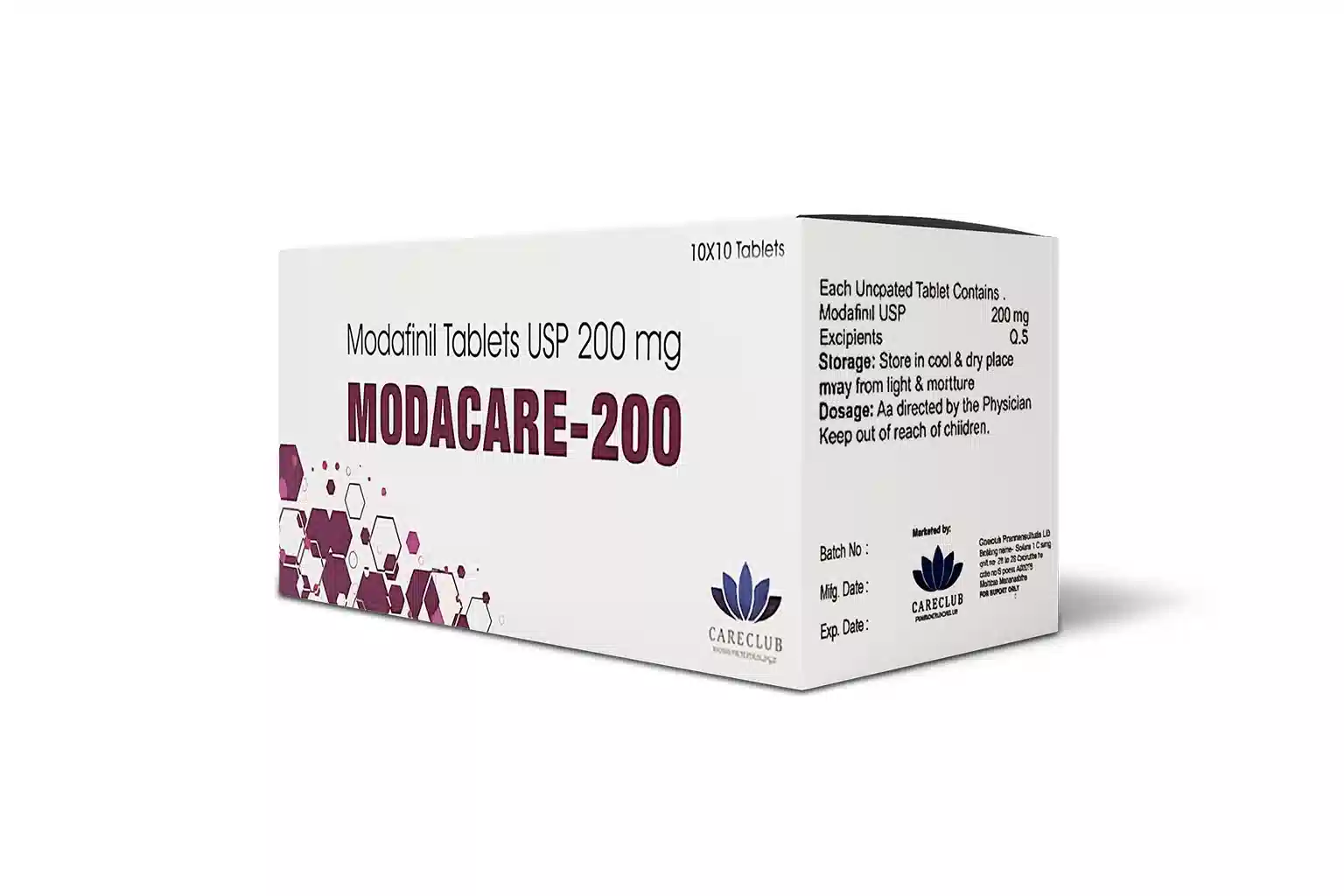
Modacare 200 mg
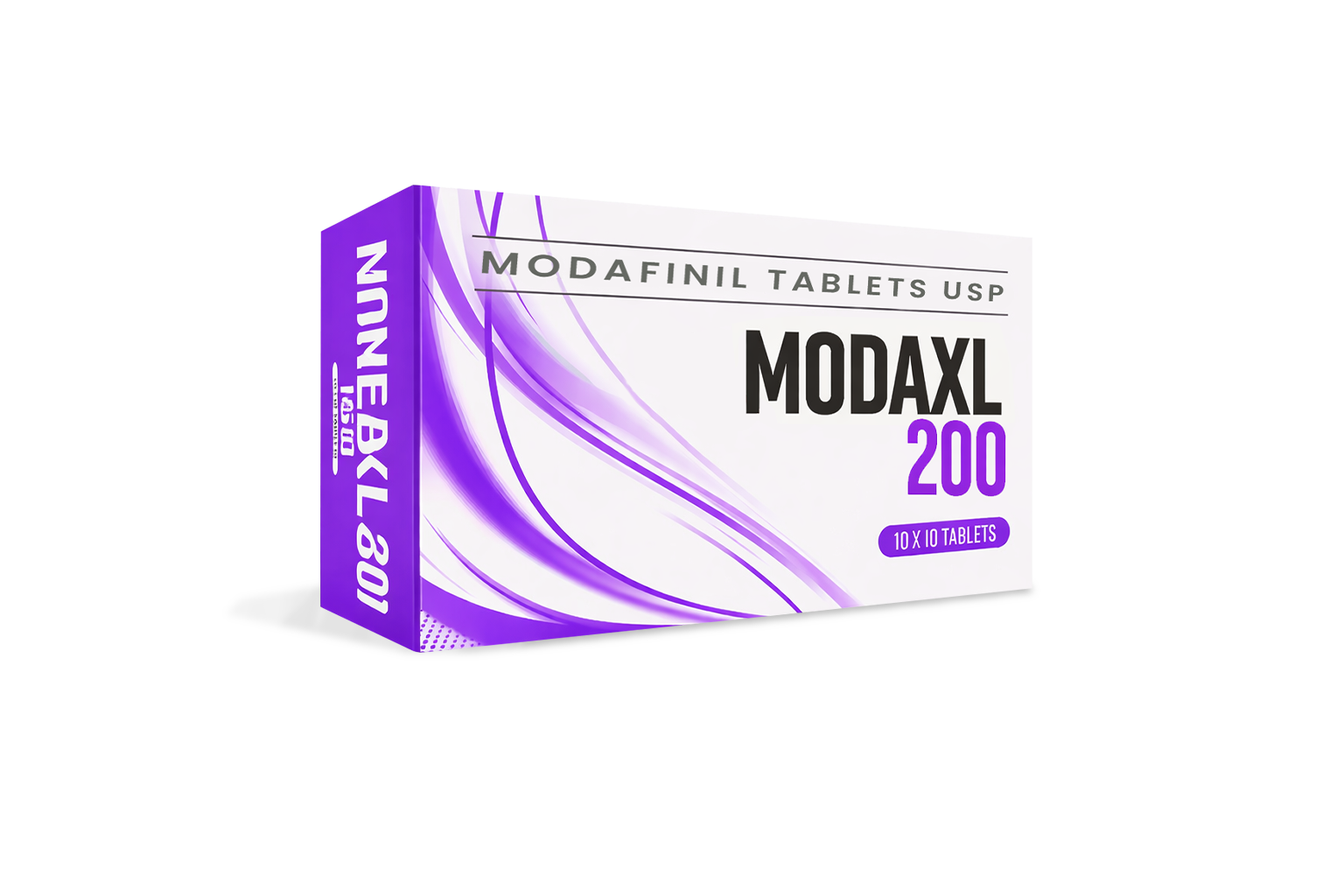
$109.00 – $449.00Price range: $109.00 through $449.00Rated 5.00 out of 5Shop Now This product has multiple variants. The options may be chosen on the product pageModaxl 200 mg
$129.00 – $779.00Price range: $129.00 through $779.00Rated 4.00 out of 5Shop Now This product has multiple variants. The options may be chosen on the product pageArmodacare 150 mg
$89.00 – $419.00Price range: $89.00 through $419.00Rated 4.00 out of 5Shop Now This product has multiple variants. The options may be chosen on the product pageArtvigil 150 mg
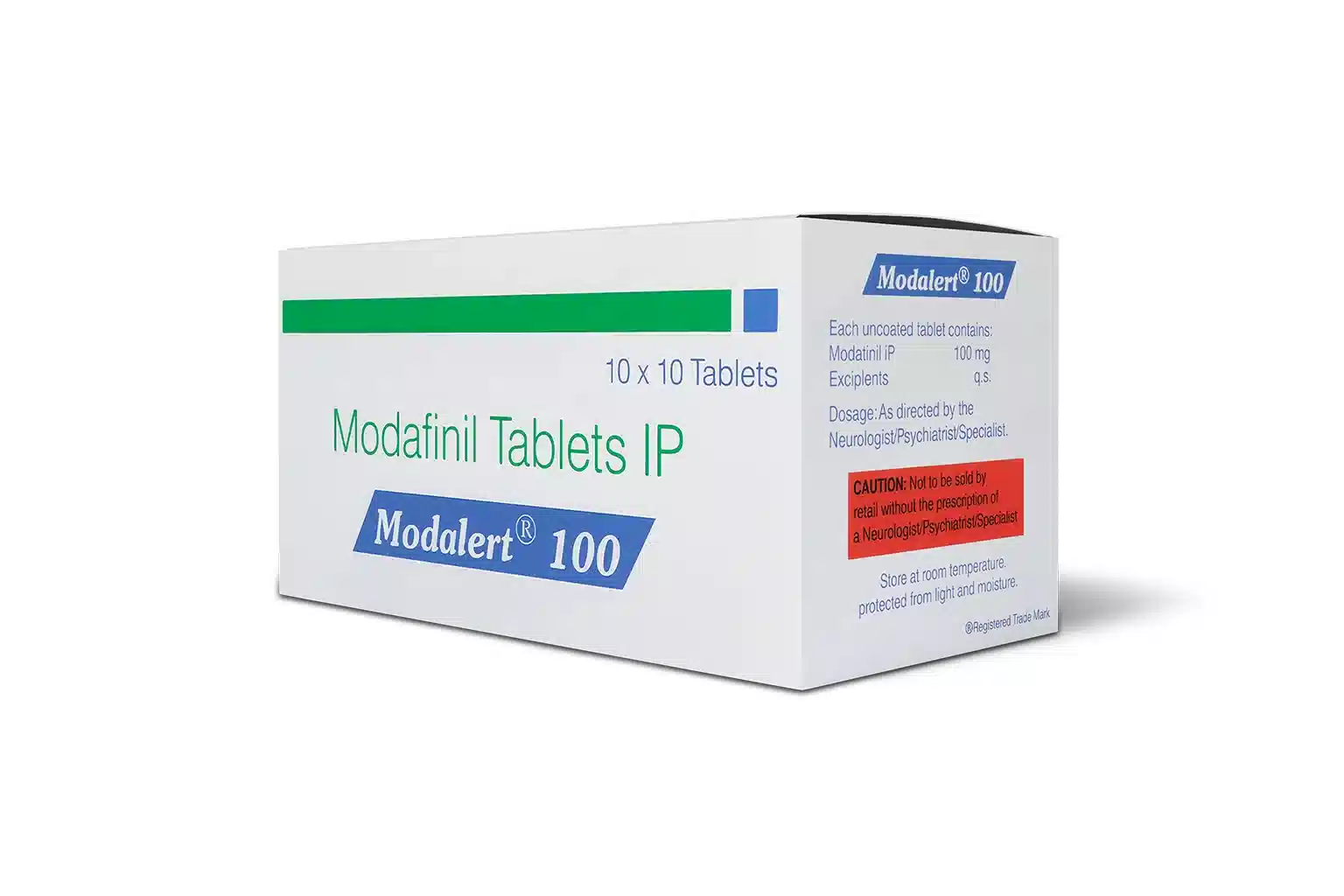
$89.00 – $419.00Price range: $89.00 through $419.00Rated 5.00 out of 5Shop Now This product has multiple variants. The options may be chosen on the product pageModalert 100 mg
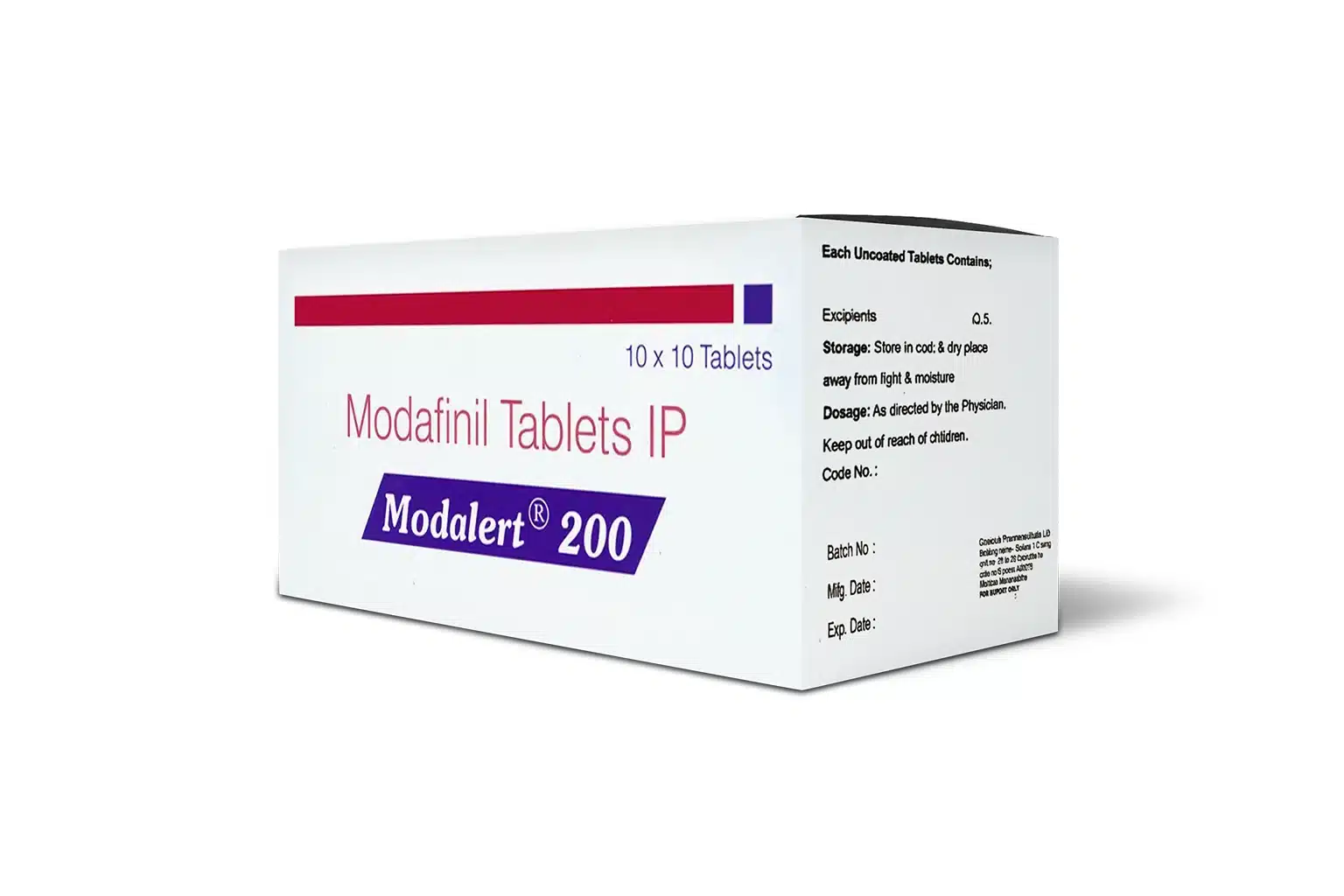
$69.00 – $449.00Price range: $69.00 through $449.00Rated 5.00 out of 5Shop Now This product has multiple variants. The options may be chosen on the product pageModalert 200 mg
$69.00 – $749.00Price range: $69.00 through $749.00Rated 4.00 out of 5Shop Now This product has multiple variants. The options may be chosen on the product page


Can Depression Cause Excessive Daytime Sleepiness?
Yes, it can. Depression and excessive daytime sleepiness often turn up together, although not everyone with depression experiences it the same way.
Depression can affect sleep timing, sleep quality, motivation, energy, appetite, concentration, and the basic sense that your body is ready to do anything. Some people wake very early and cannot get back to sleep. Others sleep ten, twelve, or more hours and still feel drained.
This is sometimes part of depression and fatigue, but it may feel different from ordinary low energy. You might genuinely feel sleepy, like your eyes are closing on their own. Or you may want to lie down because being awake feels emotionally heavy. Those can overlap. A lot.
Medication can also play a role. Some antidepressants help people sleep better, while others may leave them drowsy, particularly during the first few weeks or after a dose change. That does not mean you should stop taking anything suddenly. It just means it is worth mentioning to the clinician who prescribed it.
And, honestly, depression can make basic routines fall apart. Late nights, irregular meals, less daylight, less movement, and more time in bed. None of that means you have done something wrong. It is just part of the cycle that can keep sleepiness going.
Depression, Fatigue and Daytime Sleepiness: What’s the Difference?
People use “tired,” “fatigued,” and “sleepy” interchangeably because, well, they often feel like the same miserable thing. But there are slight differences.
Fatigue is more about having no energy. You may not feel likely to fall asleep, but everything takes effort. Showering feels like a task. Replying to a message feels like paperwork. That can become persistent fatigue, especially when low mood has been hanging around for weeks or months.
Sleepiness is more physical. You feel pulled toward sleep, even if you are in the middle of something. You may nap unintentionally or struggle to keep your eyes open.
Then there is mental fatigue, which can look like slow thinking, poor attention, irritability, and forgetting why you opened a browser tab. People sometimes call this brain fog and depression, and it can be incredibly frustrating because you may look fine to everyone else.
The lines blur. Someone can have low energy, actual sleepiness, and a foggy head all on the same day. It is not unusual. It is just hard to explain without sounding like you are repeating yourself.
How Depression and Sleep Problems Can Interact
The relationship between depression and sleep can feel like a loop with no obvious starting point.
Poor sleep can worsen mood. Low mood can make sleep harder. Then the lack of decent rest leaves you more vulnerable to stress, less patient, less motivated, and more likely to spend long stretches awake at night worrying about why you cannot sleep.
Sometimes people sleep too much instead. That can be just as disruptive in its own way. Spending extra hours in bed may seem restorative, but it can throw off your body clock and make waking up feel even worse.
Sleep deprivation is another piece of the picture. It does not always mean staying awake all night. It can mean repeatedly getting a little less sleep than your body needs, waking often, sleeping at inconsistent times, or relying on weekends to catch up.
Depression may also make the bedroom feel like the only place you can retreat to. That makes sense emotionally. But over time, being in bed for hours while scrolling, worrying, watching shows, or trying to force sleep can make the space feel less connected with actual rest.
This does not mean you need a perfect bedtime routine and a candle collection. Small changes can help, but depression is not solved by buying blackout curtains.
When Persistent Sleepiness May Point to an Underlying Sleep Disorder
Not all daytime sleepiness is caused by depression. Sometimes depression is present, but so is a separate sleep-related condition. Sometimes a sleep problem has been affecting mood for so long that it starts to look like depression.
That is why depression and excessive daytime sleepiness should not automatically be brushed off as one symptom causing another.
A few clues can be worth paying attention to. Loud snoring, gasping during sleep, waking with headaches, restless legs, vivid dream-like experiences while waking, sudden muscle weakness, or falling asleep without meaning to are all things to bring up with a healthcare professional.
There are many types of sleep disorders, and they do not all look the way people expect. You do not have to be asleep at your desk every day for a problem to be real.
Keeping a basic sleep diary for a week or two can be useful. Nothing elaborate. Just note when you went to bed, when you woke up, naps, caffeine, alcohol, and how awake you felt during the day. Patterns sometimes show up when you stop trying to remember everything in your head.
Shift Work Sleep Disorder and Excessive Daytime Sleepiness
Working nights, rotating shifts, early mornings, or long unpredictable hours can seriously disrupt the body’s internal clock. Shift work sleep disorder is a recognized issue for people whose work schedules regularly clash with the times their bodies naturally want to sleep.
It is not simply “being bad at night shifts.” You may struggle to sleep when you finally get home, then feel overwhelmingly sleepy during work hours. Even if you technically spend enough time in bed, the quality and timing of sleep may not be right for you.
For someone already experiencing depression, that ongoing disruption can make things feel heavier. Social routines get harder. Meals happen at strange times. Days off become recovery days rather than actual time off.
The link between depression and excessive daytime sleepiness can be particularly messy for shift workers because there may be several causes happening at once: mood symptoms, disrupted light exposure, shortened sleep, stress, and a schedule that changes every few days.
If changing shifts is not possible, it may still help to protect a regular sleep window as much as you can, limit bright light before planned sleep, and talk with a clinician if drowsiness is affecting safety.
Narcolepsy and Daytime Sleepiness
People often picture narcolepsy as someone suddenly collapsing into sleep in the middle of a sentence. That can happen, but the condition is usually more complicated and less dramatic than television makes it look.
With narcolepsy and daytime sleepiness, the main issue is often an intense, ongoing need to sleep during the day despite getting enough sleep overnight. Naps may help briefly, but the sleepiness tends to come back.
Some people also experience cataplexy which is a sudden loss of muscle control triggered by strong emotions such as laughter or surprise. Others have sleep paralysis, vivid dreams while falling asleep or waking, or broken sleep at night.
Depression may coexist with narcolepsy, but one should not be assumed to explain the other. If someone has been treated for low mood and still experiences severe sleep attacks or unusual sleep symptoms, more assessment may be needed.
Again, it is not about self-diagnosing after one difficult week. It is about noticing when the pattern has been there for a long time and does not make sense.
When Should You Speak to a Healthcare Professional?
You do not need to wait until things become unbearable. If sleepiness is affecting work, school, relationships, driving, or your ability to care for yourself, it is reasonable to ask for help.
Talk to a GP, primary care clinician, therapist, psychiatrist, or sleep specialist if depression and excessive daytime sleepiness have been going on for more than a couple of weeks, especially if they are getting worse.
It is particularly important to seek support if you are falling asleep while driving or operating machinery. Do not try to power through that with coffee, loud music, or an open window. Pull over safely, arrange another ride if possible, and get medical advice.
Also reach out urgently if depression comes with thoughts of self-harm, suicide, or feeling that you cannot stay safe. In the AU, call 13 11 14.
A clinician may ask about your sleep schedule, physical health, medications, alcohol or substance use, mood symptoms, snoring, and family history. It can feel like a lot of questions. They are trying to rule out overlapping causes, not imply that it is all in your head.
Understanding Treatment Options for Diagnosed Sleep Disorders
Treatment depends on what is actually going on. That sounds obvious, but it is important because treating depression alone may not resolve a separate sleep condition, and treating sleep alone may not lift depression.
For mood symptoms, treatment might include therapy, medication, lifestyle support, or some combination. For sleep-related conditions, a clinician may suggest a sleep study, changes to medication, treatment for breathing issues during sleep, scheduled naps, wakefulness-promoting medication, or help adjusting a shift-work schedule.
The goal is not to turn you into someone who wakes at 5 a.m. full of enthusiasm. It is to make daily life more manageable and safer.
For many people, treating both sides of the problem works better than trying to decide whether the tiredness is “real” or “just depression.” It is real either way. The cause may simply be more than one thing.
Final Thoughts on Depression, Fatigue and Daytime Sleepiness
Living with depression and excessive daytime sleepiness can make you feel lazy, unreliable, or disconnected from your old self. Those thoughts are common, but they are not necessarily true.
Sometimes you need rest. Sometimes you need support for depression. Sometimes you need a sleep assessment that should have happened a long time ago. And sometimes it is all mixed in a way that takes patience to untangle.
If excessive daytime sleepiness persists despite improving sleep habits or managing mental health, it’s important to seek a medical assessment. Some people may be diagnosed with sleep disorders such as narcolepsy or shift work sleep disorder. Depending on the diagnosis, a healthcare professional may recommend different treatment options. To learn more about sleep disorders, wakefulness and medicines such as modafinil and armodafinil, explore the website available here.
Frequently Asked Questions
1. Can depression make you sleep all day?
Yes. Some people with depression sleep longer than usual but still wake feeling unrefreshed.
2. Is daytime sleepiness the same as fatigue?
Not exactly. Sleepiness means you may fall asleep; fatigue is more about low energy and effort.
3. Can antidepressants cause daytime sleepiness?
Some can, especially early on or after a dose change. Speak to your prescriber before changing medication.
4. Should I worry if I fall asleep while driving?deal with the daytime sleepiness?
Yes. Stop driving when safe and seek medical advice as soon as possible.
5. Can a sleep disorder look like depression?
It can. Ongoing poor sleep and severe drowsiness can affect mood, concentration, and motivation.