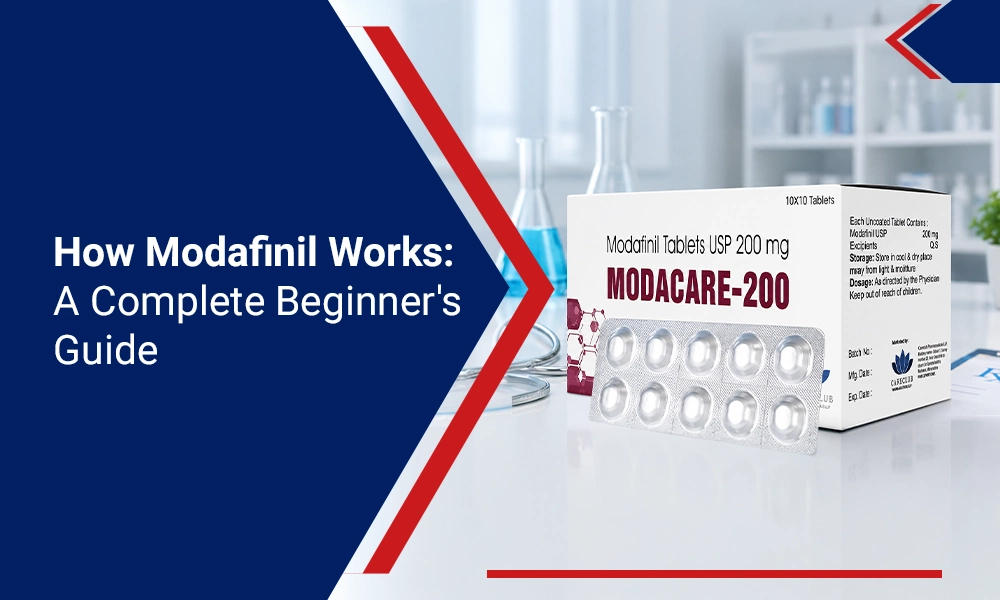
Most people end the day wondering where the time went, not because they weren’t trying, but because every notification, every side conversation, and every “just a quick question” quietly added up. A notification pops up; one thought leads to another. Before they know it, hours have passed, and they have not done much meaningful work.
And that’s where mental focus makes all the difference. The way you think, what you choose to prioritize, and how consistently you finish what you start all of it traces back to how well you can hold your attention in place. In a world of distractions, mental focus is not something that would be nice to have. Mental focus is the difference between a day and a frustrating day.
What Mental Focus Really Means
Think about the last time everything just clicked when you were deep in something and your thoughts were building on each other naturally, one idea flowing into the next. That’s focused meeting clarity. It’s not complicated. It’s simply your mind fully committed to one thing, without the usual noise pulling it in five directions at once.
Strong focus makes a real difference. Tasks feel more manageable, decisions stop dragging, and your day moves with a lot less friction. Your work is better. When your mental focus is weak, everything takes longer. Things feel harder than they should. The good news is that focus isn’t a talent you’re born with. It’s a skill anyone can build with the right habits. It responds to the right habits.
The Hidden Cost of Distraction
Distractions seem harmless at the moment. A glance at your phone and a chat in the hallway. What is the damage? More than most people realize. Every time you switch tasks, your brain needs time to readjust. That mental switching cost adds up quickly, draining your energy and affecting the quality of your output.
Research tells us it takes more than 23 minutes for your brain to fully return to a task after just one interruption. Multiply that by every ping, pop-up. Got a quick minute in your day, and the real cost becomes hard to ignore. Protecting your attention isn’t being antisocial; it’s simply respecting the work in front of you.
TOP PRODUCTS

Modacare 200 mg
$109.00 – $449.00Price range: $109.00 through $449.00Rated 5.00 out of 5Shop Now This product has multiple variants. The options may be chosen on the product pageModaxl 200 mg
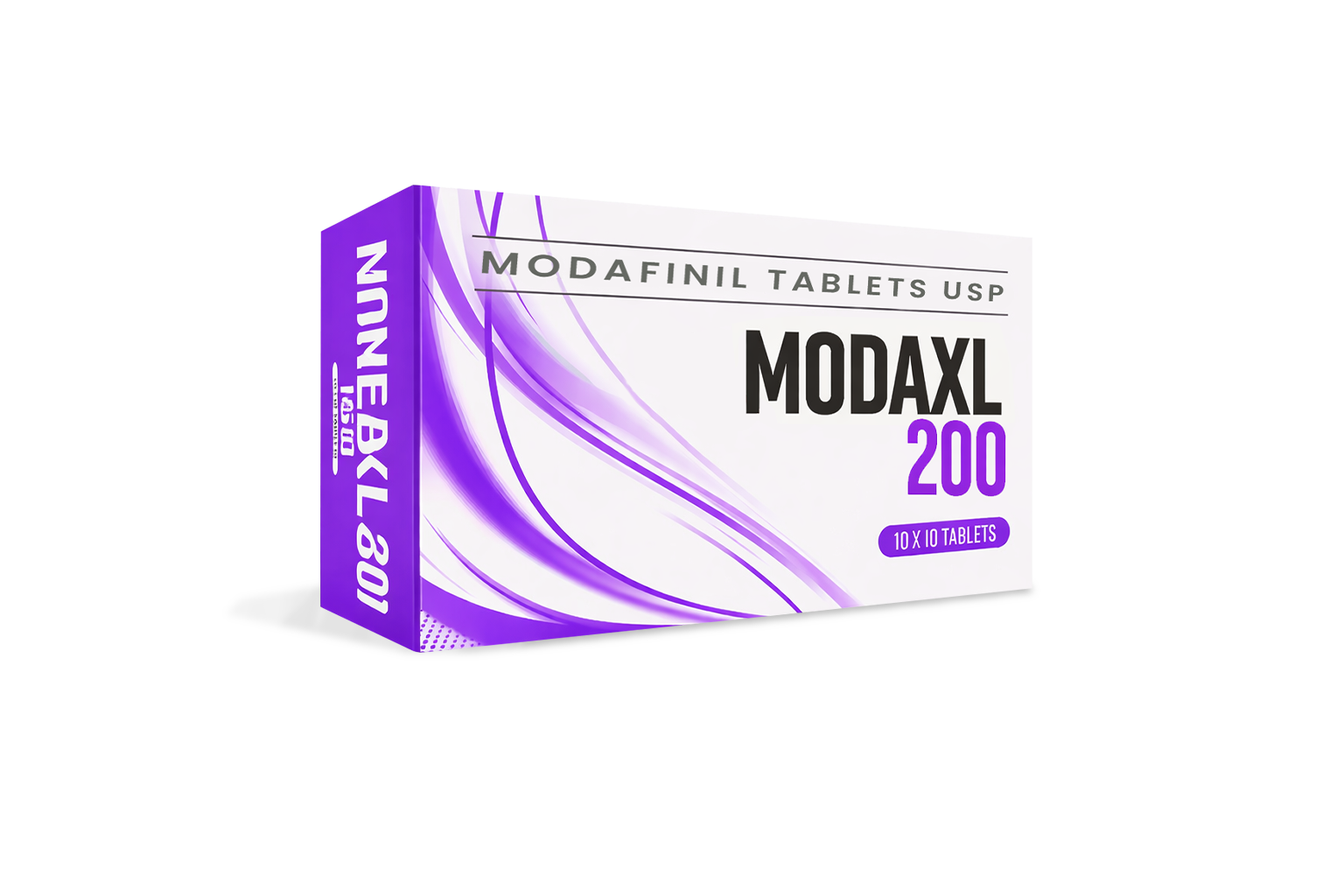
$129.00 – $779.00Price range: $129.00 through $779.00Rated 4.00 out of 5Shop Now This product has multiple variants. The options may be chosen on the product pageArmodacare 150 mg
$89.00 – $419.00Price range: $89.00 through $419.00Rated 4.00 out of 5Shop Now This product has multiple variants. The options may be chosen on the product pageArtvigil 150 mg
$89.00 – $419.00Price range: $89.00 through $419.00Rated 5.00 out of 5Shop Now This product has multiple variants. The options may be chosen on the product pageModalert 100 mg
$69.00 – $449.00Price range: $69.00 through $449.00Rated 5.00 out of 5Shop Now This product has multiple variants. The options may be chosen on the product pageModalert 200 mg
$69.00 – $749.00Price range: $69.00 through $749.00Rated 4.00 out of 5Shop Now This product has multiple variants. The options may be chosen on the product page





How to Build Focus at Work
You do not need to make big changes to notice a real difference. A few intentional changes to your environment and habits can go a long way.
Start with your notifications. During any stretch of work that needs your attention, silence the email badges, mute the previews, and turn off the app sounds. Each one is a tiny pull away from where your mind needs to be. When you stop seeing and hearing them, you stop thinking about them. Your brain finally has room to settle.
Your physical space matters as much. A cluttered desk does more than look messy; it quietly drains your mental energy. Every object in your eyeline is something your brain has to process. Tidying up isn’t about being neat. It’s about giving your mind less to deal with.
It also helps to plan your day with intention. Block off a few uninterrupted hours for your most important work. No multitasking, no sneaky email checks in between. Handle the stuff like replies, approvals, and admin tasks in a separate window. Keeping those two worlds apart saves mental energy more than it sounds.
Finally, let the people around you know when you are heads-down. Update your status, step away from shared spaces, or just have a conversation with your team. You do not need a system; you just need boundaries that others are aware of and willing to respect.
Staying Focused for Periods
Short bursts of concentration are manageable for most people. Sustaining that focus across a day is a different challenge. It is not about willpower; it is about building a rhythm your mind can actually keep up with.
One of the counterintuitive things you can do for your focus is step away from your work regularly. Breaks are not a sign that you are losing momentum; they are what prevent burnout from stealing the rest of your day. A short walk or a few quiet minutes away from your screen gives your mind a chance to reset before exhaustion takes over.
Sleep plays a role more than most people want to admit. A consistent sleep schedule keeps your engine running smoothly. Skimp on it enough, and no amount of caffeine or determination will fully make up the difference.
It also pays to notice when your focus starts to slip. There is usually a window where concentration is fading but has not fully gone, where a short reset can rescue the rest of your session. Most people push through that window. End up grinding through hours of low-quality work. Catching it early and stepping back briefly is one of the underrated focus skills there is.
For those working irregular hours, some people do explore options like Modacare 200 mg as a way to support alertness during demanding stretches. It is a conversation with a doctor if that is relevant to your situation. It works best as a complement to solid habits, not a replacement for them.
Creating a Focus-Friendly Environment
Your environment shapes your attention more than most people give it credit for. A chaotic space keeps your brain on edge. An organized one gives it permission to settle in and do its work.
Three things make the difference: reducing visual clutter so your eyes are not constantly competing for attention, finding quiet so background noise does not chip away at your concentration, and giving your day a reliable shape so your brain knows what to expect and when to show up.
None of these requires a redesign of your workspace. Small, consistent adjustments are usually enough to shift how focused you feel throughout the day.
Productivity is not about doing more; it is about doing things with your full attention. When your mental focus improves, so does the quality of your thinking, the speed of your decisions, and the sense that your day actually went somewhere.
Real lasting mental focus is built through habits, good sleep, intentional routines, and an environment that works with you instead of against you. That is the foundation. Everything else supports it.
Start small. One uninterrupted work session today is enough to remind you what real concentration feels like. Once you feel it building, more of it gets a whole lot easier.
Frequently Asked Questions
1. What is mental focus? Why does it matter for daily success?
Mental focus is your ability to stay with one thing without your mind pulling you in ten directions. When mental focus is working well, your productivity, your mood, and your results all tend to follow.
2. How can I improve my concentration quickly?
Pick one task, silence your phone, and just start. Cut the distractions first. The focus follows naturally.
3. What is Modacare 200 mg used for?
Modacare 200 mg contains armodafinil, which promotes wakefulness and sustained alertness for people working long or irregular hours. Always worth a conversation with your doctor before trying it.
4. How does time management improve performance?
When your day has structure, your brain stops wasting energy figuring out what comes next. Less mental noise means room to think clearly and get things done.
5. What helps maintain long-term concentration?
Sleep well, take breaks before you burn out, and keep your workspace clear. Simple habits, but doing all three consistently is what actually keeps your focus sharp over time.