
In today’s fast-paced digital world, staying focused can be challenging. Constant notifications, endless emails, social media, and information overload compete for our attention every minute of the day. Yet, some people consistently perform at a high level while maintaining their productivity and mental clarity. So, how high performers maintain focus throughout the day isn’t about working longerit’s about working smarter.
The answer lies in intentional habits, structured routines, and effective energy management rather than relying solely on motivation. Whether you’re a business professional, entrepreneur, student, or remote worker, developing better focus can improve your productivity, reduce stress, and help you achieve your goals more efficiently.
If you’re interested in learning why concentration plays such an important role in productivity, read our guide on Why Mental Focus Matters for Daily Success, where we explore how attention directly impacts performance at work and in everyday life.
Why Focus Is the Key to High Performance
Focus is the ability to direct your attention toward one task without becoming distracted. Research has shown that multitasking often reduces efficiency, increases errors, and takes longer to complete complex work. High performers understand that protecting their attention is one of their greatest competitive advantages.
Maintaining focus throughout the day can help you:
- Complete important tasks faster
- Improve decision-making
- Increase creativity and problem-solving abilities
- Reduce workplace stress
- Produce higher-quality work
- Achieve long-term personal and professional goals
Rather than trying to do everything at once, successful individuals prioritize deep, uninterrupted work.
TOP PRODUCTS

Modacare 200 mg
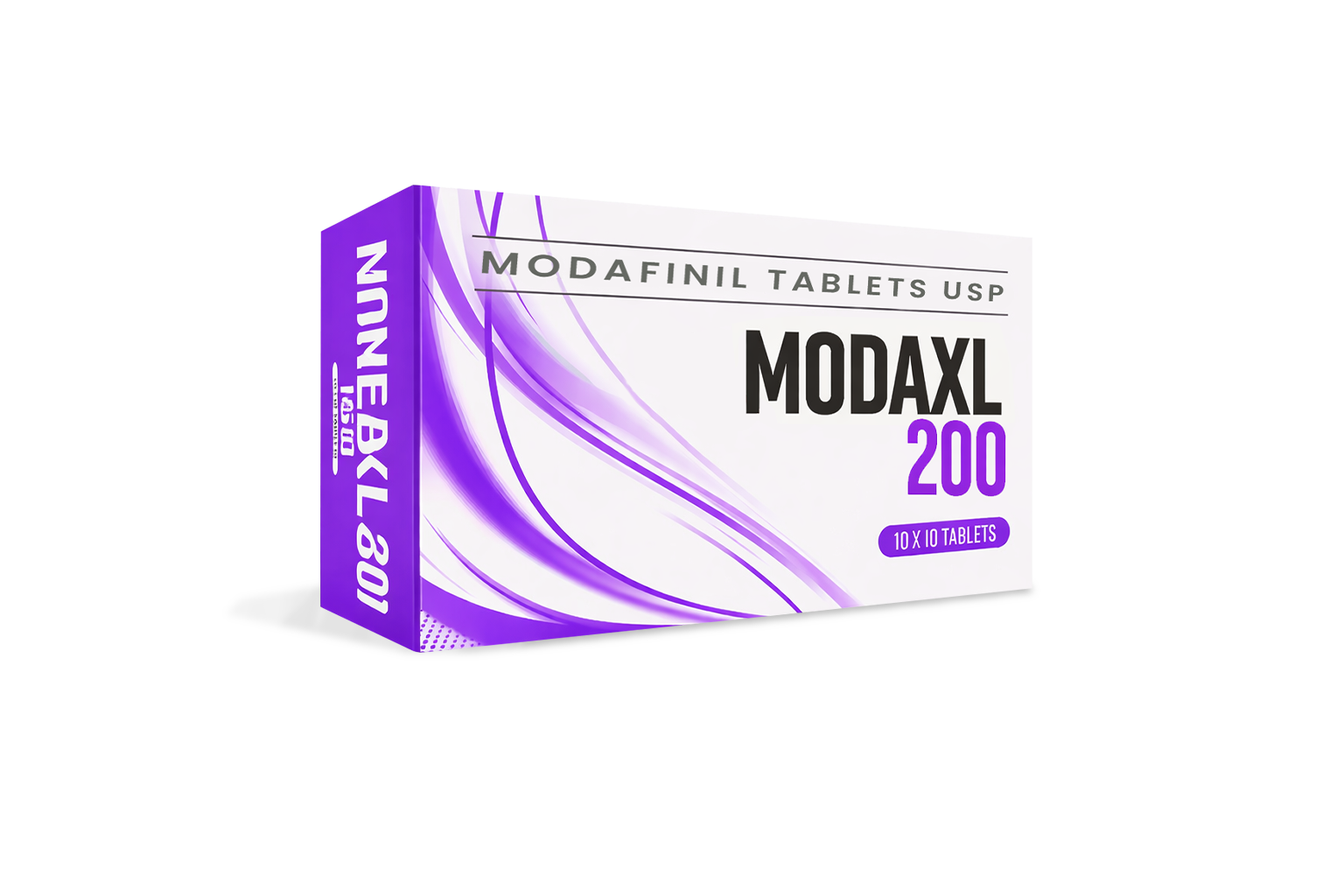
$109.00 – $449.00Price range: $109.00 through $449.00Rated 5.00 out of 5Shop Now This product has multiple variants. The options may be chosen on the product pageModaxl 200 mg
$129.00 – $779.00Price range: $129.00 through $779.00Rated 4.00 out of 5Shop Now This product has multiple variants. The options may be chosen on the product pageArmodacare 150 mg
$89.00 – $419.00Price range: $89.00 through $419.00Rated 4.00 out of 5Shop Now This product has multiple variants. The options may be chosen on the product pageArtvigil 150 mg
$89.00 – $419.00Price range: $89.00 through $419.00Rated 5.00 out of 5Shop Now This product has multiple variants. The options may be chosen on the product pageModalert 100 mg
$69.00 – $449.00Price range: $69.00 through $449.00Rated 5.00 out of 5Shop Now This product has multiple variants. The options may be chosen on the product pageModalert 200 mg
$69.00 – $749.00Price range: $69.00 through $749.00Rated 4.00 out of 5Shop Now This product has multiple variants. The options may be chosen on the product page





What Causes Lack of Focus?
Many people ask, “What causes lack of focus?” There isn’t one single answer. Several lifestyle and health factors can reduce your ability to concentrate.
Poor Sleep Quality
Sleep is essential for memory, attention, and mental performance. If you regularly wake up feeling exhausted, underlying sleep disorders could be contributing to poor concentration. Our article Sleep Apnea 101: Understanding OSA and CSA explains how conditions like obstructive sleep apnea can affect daytime alertness and cognitive function.
Digital Fatigue
Spending long hours in front of screens can overwhelm your brain and reduce mental clarity. If you experience constant exhaustion after working online, our article AI Burnout and Digital Fatigue: explains how excessive screen exposure impacts focus and why quality sleep is essential for recovery.
Poor Nutrition and Dehydration
Skipping meals, eating highly processed foods, or not drinking enough water can reduce energy levels and affect your ability to concentrate throughout the day.
Stress and Anxiety
Chronic stress increases mental fatigue, making it difficult to stay focused on important tasks.
Constant Multitasking
Although multitasking feels productive, research consistently shows it reduces efficiency and increases mistakes.
Why Do I Struggle to Focus During the Day?
Many people ask, “Why do I struggle to focus during the day?” The answer is often a combination of physical, mental, and environmental factors.
Common reasons include:
- Decision fatigue from making too many choices
- Working in a noisy or cluttered environment
- Lack of clear priorities
- Burnout from prolonged stress
- Poor hydration
- Spending too much time on digital devices
- Inconsistent daily routines
Identifying your biggest distractions is the first step toward improving concentration.
How High Performers Maintain Focus Throughout the Day
High achievers rarely depend on willpower alone. Instead, they create systems that make focusing easier.
1. They Begin With Clear Priorities
Rather than reacting to emails immediately, successful professionals identify the three most important tasks they want to complete each day.
This simple strategy reduces decision fatigue and keeps attention directed toward meaningful work.
2. They Schedule Deep Work Sessions
Many top performers dedicate uninterrupted blocks of time to their most demanding work.
During these sessions they:
- Silence notifications
- Close unnecessary browser tabs
- Avoid meetings
- Focus on one priority
Time blocking helps maximize productivity while minimizing distractions.
3. They Protect Their Peak Energy Hours
Everyone has natural periods of higher mental performance.
Some people focus best in the morning, while others perform better later in the day.
High performers schedule analytical or creative tasks during these peak hours while leaving routine work for lower-energy periods.
4. They Take Purposeful Breaks
Working continuously for several hours often reduces concentration.
Instead, successful professionals take short breaks to refresh their minds.
Popular approaches include:
- 25 minutes of work followed by a 5-minute break
- 50 minutes of focused work followed by a 10-minute break
- Short walks
- Stretching exercises
- Deep breathing
Regular breaks help maintain consistent productivity throughout the day.
5. They Limit Multitasking
Instead of juggling multiple projects simultaneously, high performers complete one important task before moving to the next.
Single-tasking improves:
- Accuracy
- Creativity
- Memory
- Overall efficiency
How Do I Rewire My Brain to Focus?
Many people wonder, “How do I rewire my brain to focus?”
The brain has an incredible ability to adapt through a process known as neuroplasticity. Consistently practicing healthy habits can strengthen your ability to concentrate over time.
Effective ways to train your brain include:
Practice Mindfulness
Mindfulness meditation encourages awareness of the present moment and may improve attention control with regular practice.
Build Consistent Habits
Following the same morning routine each day reduces mental effort and prepares your brain for focused work.
Reduce Digital Overload
Limiting unnecessary screen time and social media use can help reduce constant stimulation and improve attention.
Read Daily
Reading books without interruptions strengthens concentration and encourages deeper thinking.
Exercise Regularly
Physical activity increases blood flow to the brain and supports long-term cognitive health.
How Do You Stay Focused Throughout the Day?
If you’ve ever asked yourself, “How do you stay focused throughout the day?”, these practical strategies can help.
Create a Daily Plan
Start every morning with clear goals and realistic expectations.
Keep Your Workspace Organized
A clean workspace reduces visual distractions and supports better concentration.
Stay Hydrated
Even mild dehydration can affect attention and mental performance.
Eat Balanced Meals
Choose meals that include lean protein, whole grains, fruits, vegetables, and healthy fats to support steady energy.
Manage Email Efficiently
nstead of checking emails constantly, schedule specific times during the day for communication.
What Daily Routines Do Top Performers Use for Sustained Focus?
Many successful individuals follow routines that help them stay productive without becoming overwhelmed.
These habits often include:
Morning Exercise
Light exercise increases energy and prepares the brain for focused work.
Planning the Day
Writing down priorities creates a clear roadmap.
Time Blocking
Scheduling focused work periods minimizes interruptions.
Healthy Nutrition
Balanced meals help maintain stable energy levels.
Reflection
At the end of the day, reviewing accomplishments helps identify improvements for tomorrow.Consistency matters more than perfection.
How to Maintain Focus with ADHD?
People often ask, “How to maintain focus with ADHD?” While ADHD affects everyone differently, certain strategies may help support attention alongside professional care.
Helpful approaches include:
- Breaking large tasks into smaller, manageable steps
- Using timers or visual reminders
- Following a consistent daily routine
- Reducing environmental distractions
- Working in shorter focus sessions with planned breaks
If ADHD symptoms significantly affect your work, studies, or daily life, consult a qualified healthcare professional for an assessment and personalized treatment plan.
Additional Tips for Better Focus
To improve concentration every day:
- Turn off unnecessary notifications.
- Avoid checking social media during work sessions.
- Prioritize one important task at a time.
- Get enough sleep every night.
- Stay physically active.
- Practice stress management techniques.
- Keep learning new skills to challenge your brain.
- Set realistic daily goals.
Small improvements practiced consistently often produce significant long-term results.
Final Thoughts
Learning how high performers maintain focus throughout the day isn’t about discovering a single productivity hack. It’s about developing sustainable habits that protect your attention, improve your energy, and help you work with greater intention.
By understanding what causes lack of focus, identifying why you struggle to focus during the day, and applying practical strategies to rewire your brain to focus, you can significantly improve your productivity over time. Whether you’re looking for ways to stay focused throughout the day or searching for daily routines top performers use for sustained focus, consistency is the key to lasting success.
Start with one or two habits, build them into your routine, and refine your approach as you learn what works best for you. Over time, these small changes can lead to greater clarity, improved performance, and a healthier, more balanced work life.
Frequently Asked Questions
1. How do I rewire my brain to focus?
You can strengthen your ability to focus by building consistent routines, practicing mindfulness, limiting distractions, exercising regularly, and getting enough quality sleep. Over time, these habits support better attention and cognitive performance.
2. What causes lack of focus?
Common causes include poor sleep, chronic stress, digital distractions, multitasking, dehydration, inadequate nutrition, burnout, and certain medical or mental health conditions.
3. Why do I struggle to focus during the day?
Difficulty focusing may result from low energy, unclear priorities, environmental distractions, excessive screen time, stress, or inconsistent daily habits.
4. How to maintain focus with ADHD?
Strategies include creating structured routines, using timers, breaking tasks into smaller steps, reducing distractions, and seeking guidance from a healthcare professional if symptoms interfere with daily functioning.
5. What daily routines do top performers use for sustained focus?
High performers typically plan their day, complete important work during peak energy hours, use time blocking, take regular breaks, exercise consistently, eat balanced meals, and review their progress each evening.