My dad used to snore so loudly that my mum moved into the spare room in about 2009 and never really moved back. We all laughed. Family joke. “Dad’s sawing logs again.”
Years later a GP asked him one question: had anyone ever noticed him stop breathing at night? Mum went quiet and then said, “Yes. Quite a lot, actually.”
Nobody had said anything because we all thought it was just a loud snore. Turned out it was sleep apnea.
This is me reading around and thinking it through, so please don’t treat it as medical advice.
So what is it, exactly?
Your breathing keeps stopping, or getting very shallow, while you sleep. Usually for ten seconds or more, sometimes a lot longer. Then your brain notices something’s wrong and nudges you awake, just enough to restart things. You don’t remember it.
In bad cases, that can happen dozens of times an hour. Dozens. All night.
The most common type is obstructive sleep apnea, where the muscles in your throat relax too much, and your airway narrows or closes. There’s also a central type, where the brain doesn’t send the right signals to the breathing muscles. That one’s rarer, and I’m mostly talking about the first here.
Doctors also use a broader term, sleep-disordered breathing, which covers everything from plain snoring to the serious stuff. It’s a spectrum, basically.
The snoring bit (but not all snoring)
Loud, regular snoring is the one everyone knows. But plenty of people snore and are completely fine. And some people with the condition barely snore at all, which gets missed more often in women, apparently.
What seems to matter is the pattern. Loud snoring, then silence, then a snort or a gasp as everything kicks back in. If you’re the one lying next to it, the silence is the scary part. You find yourself lying there counting seconds.
I’ve seen people online asking whether snoring on exhale means something different from snoring on the way in. I don’t think the direction tells you much. It’s whether the breathing stops that counts.
What the other person sees
Honestly, a partner is usually the best detector you’ve got. You can’t watch yourself sleep.
They might see pauses. Choking or gasping. Snorting. Thrashing about or sitting up suddenly. Some people describe rapid breathing while sleeping, big, fast gulps of air right after a pause, as if the body is catching up.
Other nights it’s the opposite, with very shallow breathing while sleeping, so quiet and light that nothing seems to be moving at all. It’s less dramatic, but it still counts.
If you sleep alone, try recording yourself on your phone. It’s a bit weird, listening back. But it can be useful to show a doctor.
What you notice yourself
This is where it gets sneaky, because a lot of it just looks like being tired and a bit rubbish.
Waking with a dry mouth or a sore throat. A headache in the morning that fades by lunch. Feeling like you didn’t sleep, even after eight hours. Needing the loo in the night more than you used to. Waking with a racing heart, or that “I was choking” feeling.
Then the daytime stuff. Dozing off at your desk, or in front of the telly at 7 pm. Nodding off at traffic lights, which is properly dangerous. Brain fog, irritability, a short fuse, and low mood. Less interest in sex, too. People rarely link that one.
These sleep apnea signs are so ordinary that most people explain them away. Stress. Age. The kids. A bad mattress. I did exactly that with my dad for years.
TOP PRODUCTS

Modacare 200 mg
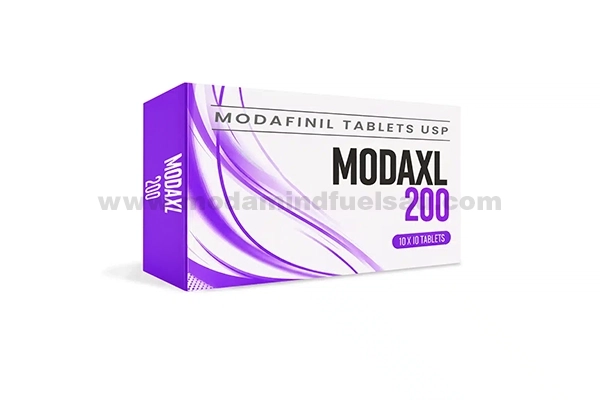
$109.00 – $449.00Price range: $109.00 through $449.00Rated 5.00 out of 5Shop Now This product has multiple variants. The options may be chosen on the product pageModaxl 200 mg
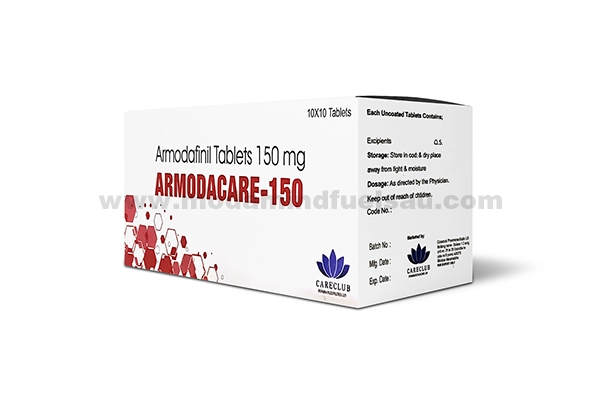
$129.00 – $779.00Price range: $129.00 through $779.00Rated 4.00 out of 5Shop Now This product has multiple variants. The options may be chosen on the product pageArmodacare 150 mg
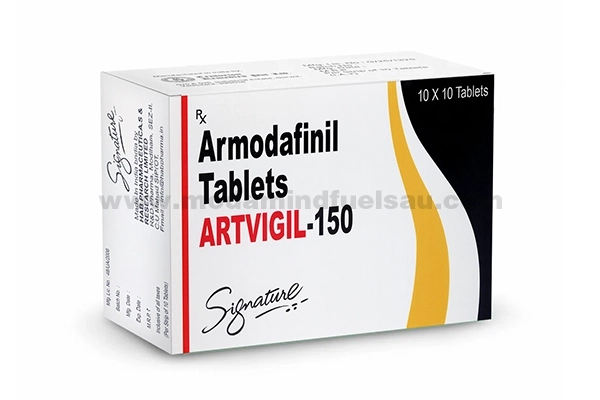
$89.00 – $419.00Price range: $89.00 through $419.00Rated 4.00 out of 5Shop Now This product has multiple variants. The options may be chosen on the product pageArtvigil 150 mg
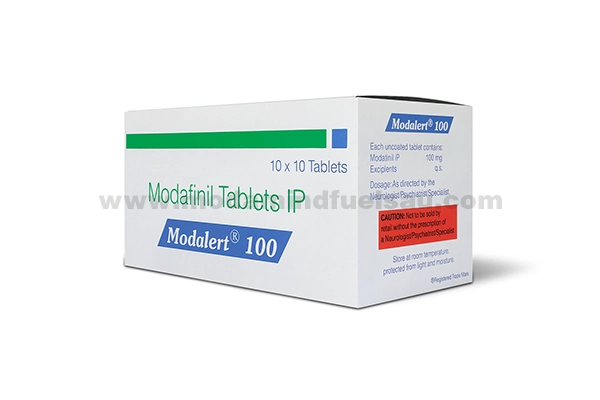
$89.00 – $419.00Price range: $89.00 through $419.00Rated 5.00 out of 5Shop Now This product has multiple variants. The options may be chosen on the product pageModalert 100 mg
$69.00 – $449.00Price range: $69.00 through $449.00Rated 5.00 out of 5Shop Now This product has multiple variants. The options may be chosen on the product pageModalert 200 mg
$69.00 – $749.00Price range: $69.00 through $749.00Rated 4.00 out of 5Shop Now This product has multiple variants. The options may be chosen on the product page
Does it count if I only have one or two?
Maybe. Maybe not. I can’t tell you that, and neither can a list on the internet.
Plenty of people tick one box for other reasons. A bad cold, too much wine, and a stressful month. But the signs of sleep apnea tend to cluster. Loud snoring plus daytime sleepiness plus someone saying “you stop breathing” is a very different picture from one groggy morning.
Why do some people get it?
There are a few usual suspects, and this is where I’d normally say it’s complicated. It is, a bit.
What causes sleep apnea comes down mostly to how narrow or floppy your airway is when the muscles relax. Extra weight around the neck and throat is a big factor. So is simply having a thicker neck. Age plays a part. Men get it more often, though women catch up after menopause. It can run in families, and some people just have a narrow jaw or big tonsils.
Alcohol close to bedtime makes it worse, because it relaxes the throat further. So do sedatives and sleeping tablets. Smoking, a blocked nose, and sleeping flat on your back can all play a part.
And you don’t have to be overweight. Thin people get it too. I mention that because a lot of people rule themselves out on that basis.
It also tends to go hand in hand with high blood pressure, type 2 diabetes, and heart rhythm problems. Which brings me to the part I didn’t want to write.
Why it’s worth taking seriously
Left alone, it can strain your heart. It’s linked with higher blood pressure, irregular heartbeat, stroke, and diabetes. It makes drowsy driving a real risk too. In the UK, if the condition makes you sleepy at the wheel, you may be legally required to tell the DVLA.
I don’t want to scare you. It’s very treatable. But I also don’t want to pretend the daytime tiredness is the only problem, because it isn’t.
Kids get it too
Often from big tonsils or adenoids. Look for loud snoring, restless sleep, mouth breathing, bedwetting that has come back, or a child who seems hyper or can’t concentrate rather than sleepy. Kids don’t always look tired when they’re exhausted, which I found strange.
Mention it to a paediatrician or GP if that sounds familiar.
How do you find out?
Usually you start with your GP or primary care doctor. They might give you a short questionnaire. The Epworth Sleepiness Scale asks how likely you are to doze off in situations like watching TV or sitting in traffic. STOP-Bang is another one, and it’s quick.
After that, a sleep test. Sometimes it’s overnight in a clinic. More often these days, it’s a small kit you wear at home, with a finger clip and maybe a chest strap. It counts how many breathing interruptions you have per hour. Fewer than five is normal. Five to fifteen is mild, fifteen to thirty is moderate, and over thirty is severe.
In the US, a lot depends on your insurance and wait times. In the UK, it goes through the NHS, and the wait can be long. Annoying in both places.
Can it be fixed?
How can you stop sleep apnea? It’s the question everyone asks, and the honest answer is that for many people it gets managed more than “stopped.”
The main treatment is CPAP, where you wear a mask and a machine gently blows air to keep the airway open. People hate the idea. Plenty also hate the first few weeks. But a lot of people say they feel dramatically different once they’ve got used to it. My dad described it as “someone finally turning the lights on.”
Losing weight can reduce it a lot, sometimes completely, if weight is the main driver. A weight-loss drug was approved in the US for adults with obesity and moderate to severe cases, which is a fairly new development.
There are other options too. A custom mouthguard that moves the jaw forward. Sleeping on your side. Cutting alcohol in the evening. Treating a blocked nose. For a few people, surgery, or an implanted device that stimulates a nerve in the tongue. Which suits you depends on what’s causing it, and that’s a conversation for a sleep specialist.
What I’d do
If a partner says you stop breathing, or you’re falling asleep in the day and can’t explain why, book the appointment. Don’t wait for it to get worse.
Tell the doctor everything. The snoring, the gasping, the headaches. Even the embarrassing bits.
My dad waited about fifteen years. He says now that he wishes someone had pushed him sooner. If sleep apnea is on your mind at all, book the boring appointment.