the time. It feels different now, doesn’t it? Not just the usual tiredness from a long day at work or that general “I’ve been staring at this screen for too long” feeling. There’s this new kind of weight to it.
I was reading something the other day about how consultants are calling it AI burnout and digital fatigue. Or even “AI brain fry,” which honestly feels way too accurate for what I’ve been experiencing.
It’s funny because I love tech. I use AI for everything, from drafting assignments, organizing my thoughts, and even meal planning sometimes. But there’s this weird irony where the thing designed to make life easier starts to feel like a second job. You have to manage it, check it, make sure it’s not hallucinating, and keep up with the constant updates. It’s a brand-new kind of cognitive load that we just didn’t have before.
And that load is just… frying our brains. I can literally feel my brain getting tired in a way it didn’t used to. I’m not just talking about a headache from the screen. It’s a deeper exhaustion. I’ve been calling it AI burnout and digital fatigue because it feels distinct. It feels like the mental energy required to just be online is at an all-time high.
What Is AI Burnout and Digital Fatigue?
So, I guess if we’re going to define it, AI burnout and digital fatigue are this state of mental, emotional and physical exhaustion that comes from being so deeply immersed in digital spaces and constantly interacting with or managing AI tools. It’s like the term “screen fatigue” but on steroids. Screen fatigue was about the physical strain of the blue light and the bad posture. This is about the psychological strain of the constant vigilance.
I used to think burnout was just for people working in high-stress jobs like ER doctors. But now it feels like anyone who spends eight hours a day in front of a screen, wrangling notifications and managing digital tasks, is a prime candidate for it. The pressure to be on, to respond quickly, to keep up with the flood of information. It’s no wonder we’re all mentally exhausted. It’s not just work, either. It spills over into our social lives, our downtime. We’re never really “off.”
I’ve heard people describe it as a feeling of being overwhelmed or constantly irritable. For me, it manifests as this low-grade anxiety and a complete lack of desire to engage with anything creative by the end of the day. It’s like all my dopamine is shot. I just want to sit in silence.
TOP PRODUCTS
-

Modacare 200 mg
$109.00 – $449.00Price range: $109.00 through $449.00Rated 5.00 out of 5Shop Now This product has multiple variants. The options may be chosen on the product page -
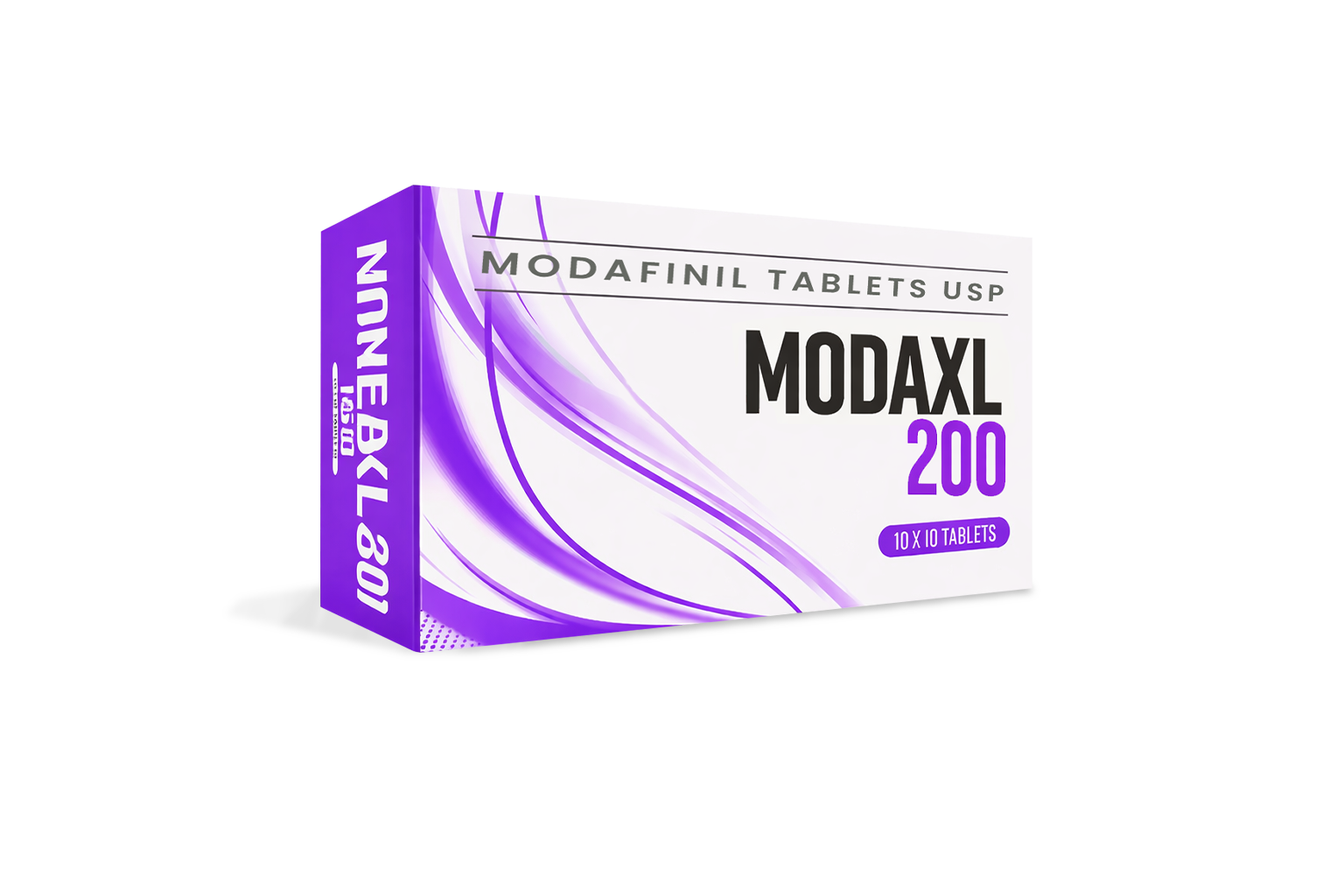
Modaxl 200 mg
$129.00 – $779.00Price range: $129.00 through $779.00Rated 4.00 out of 5Shop Now This product has multiple variants. The options may be chosen on the product page -

Armodacare 150 mg
$89.00 – $419.00Price range: $89.00 through $419.00Rated 4.00 out of 5Shop Now This product has multiple variants. The options may be chosen on the product page -

Artvigil 150 mg
$89.00 – $419.00Price range: $89.00 through $419.00Rated 5.00 out of 5Shop Now This product has multiple variants. The options may be chosen on the product page -

Modalert 100 mg
$69.00 – $449.00Price range: $69.00 through $449.00Rated 5.00 out of 5Shop Now This product has multiple variants. The options may be chosen on the product page -

Modalert 200 mg
$69.00 – $749.00Price range: $69.00 through $749.00Rated 4.00 out of 5Shop Now This product has multiple variants. The options may be chosen on the product page
How Constant Screen Time Can Affect Sleep
This is the big one, right? The connection between AI burnout and digital fatigue and sleep is like a vicious cycle. We’re tired from the digital fatigue, so we stay up late to try and find some quiet time, but then we end up scrolling on our phones, which makes the fatigue worse the next day. It’s a mess.
There’s a ton of research showing that screen time messes with our sleep, especially what we’re doing on the screens right before bed. It’s the blue light suppressing melatonin, sure, but it’s also the content. If you’re scrolling through work emails or trying to solve a complex problem with an AI assistant right before you try to sleep, your brain is still in “work mode.” It just can’t shut off.
I’ve noticed that when I have a day where I’ve been particularly overloaded with managing tech and decoding AI outputs, my brain just goes haywire when I hit the pillow. I’m not just thinking about the tasks. I’m thinking about all the prompts I need to write and all the lines of code I have to check. My sleep quality has plummeted. And this, in turn, leads to daytime sleepiness, which makes the next day’s cognitive load feel even heavier. You can’t manage the mental load if you’re already starting on empty.
You know what else is interesting? A study found that a huge chunk of kids have sleep problems linked to screen use, especially interactive stuff like gaming or messaging. It just goes to show it’s not just an adult problem. The fundamental impact of interactive screen time on sleep is pervasive across all ages.
Signs Your Brain May Need More Rest
Sometimes I’m oblivious to it until I’m really in the thick of it. I wake up feeling like I haven’t slept at all, even if I got a full seven hours. That’s a big one. Excessive daytime sleepiness can be a massive red flag. It’s not just “I’m a little tired.” It’s a deep, bone-tired feeling that coffee can’t touch.
Another sign is this pervasive brain fog. I can’t focus. I find myself staring at a screen, not actually processing anything. I’m reading the same line of code or the same paragraph in an email over and over. My productivity just tanks. It feels like my brain is filled with cotton wool.
And the irritability. Oh man. I’ve snapped at my partner for asking a completely reasonable question. All because my brain was just done. It had no capacity left for basic human interaction. When the smallest interruptions feel like major assaults on your peace, it’s probably a sign that AI burnout and digital fatigue are taking a serious toll on your mental health.
Simple Ways to Reduce Digital Fatigue
Look, I’m not an expert at this. I’m still struggling with it. But I’ve learned a few things through trial and error that actually help a little.
First, I try to be intentional with notifications. Turning off all the non-essential pings was a game-changer. I used to have my phone buzzing every two seconds. Now, only calls and messages from my family come through. Everything else can wait. It’s made a huge dent in my work-related stress.
I also started just… setting boundaries. I know, it sounds like such a simple thing, but it’s hard. I try not to check work emails after 7 PM. And I’ve gotten better at putting my phone in a different room at night. It sounds obvious, but if the phone isn’t there, I can’t scroll. That has been a lifesaver for my sleep deprivation.
And honestly, the biggest thing is just stepping away for a bit. A walk, some fresh air, doing something with my hands that isn’t typing. It’s amazing how much a 10-minute break can reset your cognitive fatigue.
I’ve been reading a bit about how trying to be “perfect” all the time and constantly self-optimizing is actually terrible for us. It just adds more pressure. So, I’m trying to permit myself to be a bit messy. To not be the most productive person in the world every single day. To just let my brain rest.
When Persistent Daytime Sleepiness Deserves Medical Attention
Okay, here’s the thing. I’m talking about feeling tired from screen time and digital overload which I think is pretty common. But I also think we need to be aware that persistent, severe sleep issues can sometimes be a sign of a bigger problem.
If you’re consistently experiencing severe daytime sleepiness that’s interfering with your ability to function, like falling asleep at work or during conversations, that’s not just “I need a nap” territory. It’s a medical issue. It’s defined as the inability to stay awake and alert during the day.
There are conditions out there that cause this, like idiopathic hypersomnia, which is where you’re just excessively sleepy during the day with no clear cause. It can develop slowly over time, and it’s not something you can just fix with better sleep habits.
So, while a lot of our fatigue is tied to our lifestyles, if you find that changing your sleep habits and reducing screen time doesn’t make the sleepiness go away, please talk to a doctor. It’s not normal to feel completely exhausted all the time, no matter how much we’re working. It’s also part of maintaining a healthy work-life balance, not just for your productivity and focus, but for your actual physical wellbeing.
Building Healthier Digital Habits
I think the goal isn’t to quit tech or to stop using AI. That’s unrealistic. The goal is to build a healthier relationship with it. To find a sustainable way to use these powerful tools without letting them drain the life out of me.
It’s about managing screen fatigue before it happens. That means being more mindful of when and how I’m engaging with digital tools. I’m trying to be more active in my digital wellbeing. It’s not just about passive use. It’s about being in control.
I’m trying to think of it like a diet. Just like I can’t eat junk food all day and expect to feel good, I can’t consume digital content and AI interactions nonstop and expect my brain to be healthy. I need some real, offline, messy human experiences to balance it all out.
Because honestly, the work is never going to stop. There will always be another email, another notification, another AI to wrangle. The only thing I can change is how I respond to it. And sometimes, the most productive thing you can do is close the laptop and take a nap. We need to take care of our brains, because they’re the only ones we’ve got. And they’re clearly exhausted.
Got it, you want a dedicated H2 section for the website promotion. I’ll slot it in naturally after the “Building Healthier Digital Habits” section. It’ll feel like a natural next thought, not a forced ad.
Maybe It’s Time to Consider Some Extra Support
Okay, so I can talk all day about sleep hygiene and setting boundaries, and I genuinely think those things are the foundation. But let’s be real. Sometimes you do all that and you’re still dragging. You’re still staring at the screen, unable to string a coherent thought together. That’s when you start wondering if there’s something else out there that can give your brain a little hand.
I’ve been looking into nootropics and wakefulness-promoting agents myself, just out of sheer desperation to get my focus back. That’s how I stumbled across Modamindfuels. They’ve got a whole range of products like Modalert and Artvigil that are specifically designed for focus and wakefulness. If you’re curious about that kind of support, you can check them out at modamindfuels. They have a ton of options different strengths, different formulations and their support team is available 24/7, which is nice if you have questions or just want to understand what might work for your situation. It’s worth a look if you’re trying to figure out your next steps for fighting that mental exhaustion and you feel like you’ve hit a wall with the natural stuff.
Frequently Asked Questions
1. What is "AI brain fry"?
It’s a term for mental exhaustion from using AI tools too much, making you feel overwhelmed and burnt out.
2. How can I tell if I have digital fatigue?
You’ll probably feel really tired all the time, have trouble focusing, and just feel mentally drained from being online.
3. Does using my phone at night really affect my sleep?
Yes. Looking at screens and especially doing interactive stuff on them before bed can seriously delay when you fall asleep.
4. Can AI use cause real mental health issues?
There’s a connection between AI-related stress and increased risks for anxiety, burnout, and sleep problems.
5. What's the fastest way to reduce digital fatigue?
Try to take short breaks from your screen every 90 minutes or so, and turn off notifications that distract you.