
Around quarter past two, most days, my eyes go heavy and the screen starts to blur. I read the same line of an email three times. Then I start thinking about the sofa.
Being sleepy after lunch is so normal that for years I never questioned it. Then I did, and it turns out there isn’t one neat answer. So this is me poking around at it.
It’s not just the sandwich
The popular story goes like this. You eat, your body sends blood to your stomach, your brain gets less, and you nod off. Food coma. It sounds right, and I believed it for ages.
Except that’s not really how it works. Or not all of it. Your body doesn’t steal blood from your head to deal with a cheese sandwich.
What seems to be going on is messier, a few things stacking on top of each other. If you look up food coma causes, you get a long list, and honestly every item on it is a little bit true.
Your body clock does its own thing
This part surprised me. Even if you skip lunch, plenty of people still get a lull in the early afternoon, somewhere between one and four o’clock. Whole countries built a siesta around it.
That’s the post-lunch dip, and it looks tied to your internal clock more than to your plate.
So you can end up sleepy after lunch even when the lunch was tiny, or didn’t happen. Lunch might just be piling onto something that was going to happen anyway. Which is kind of a relief. You’re not lazy. Probably.
TOP PRODUCTS

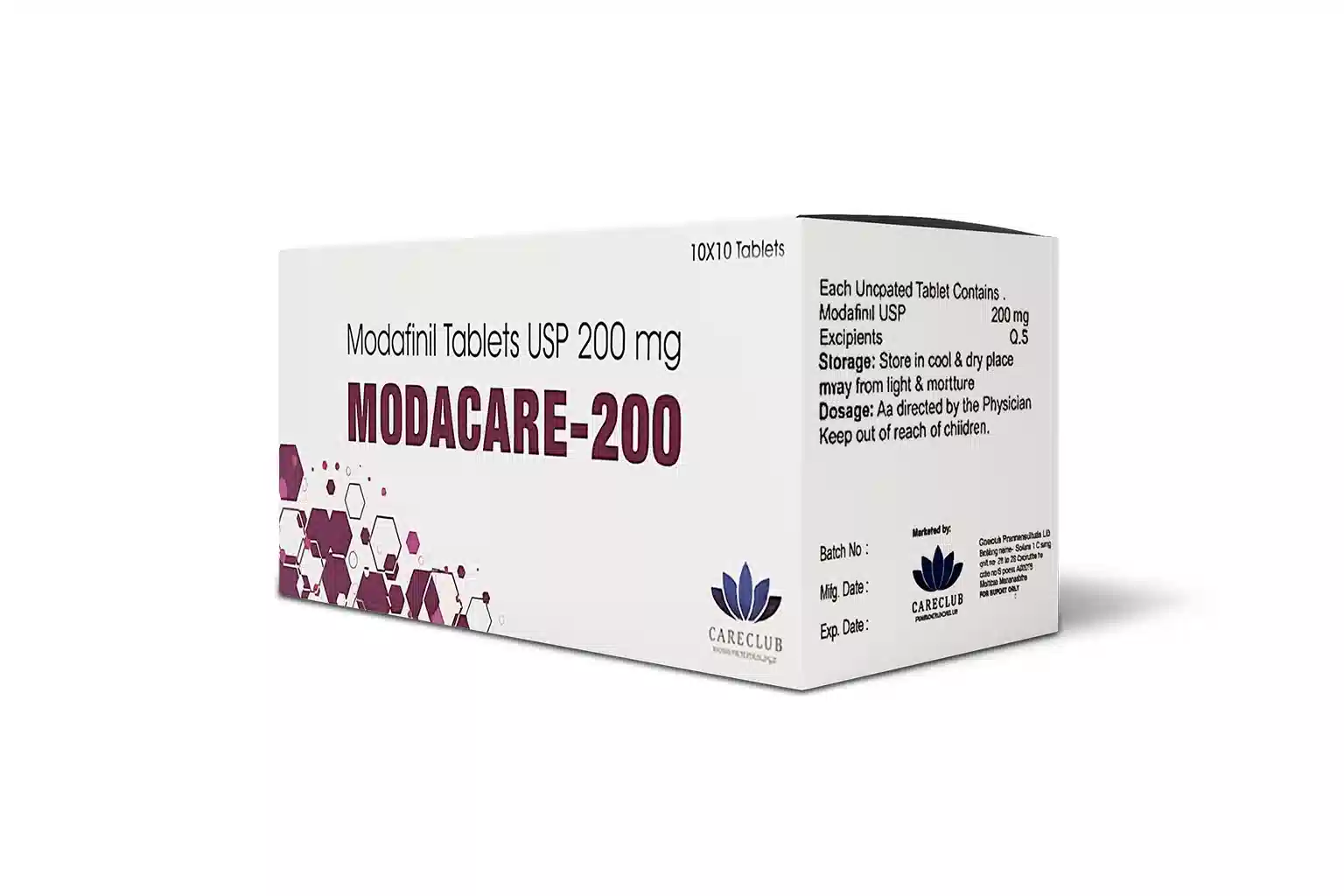
Modacare 200 mg
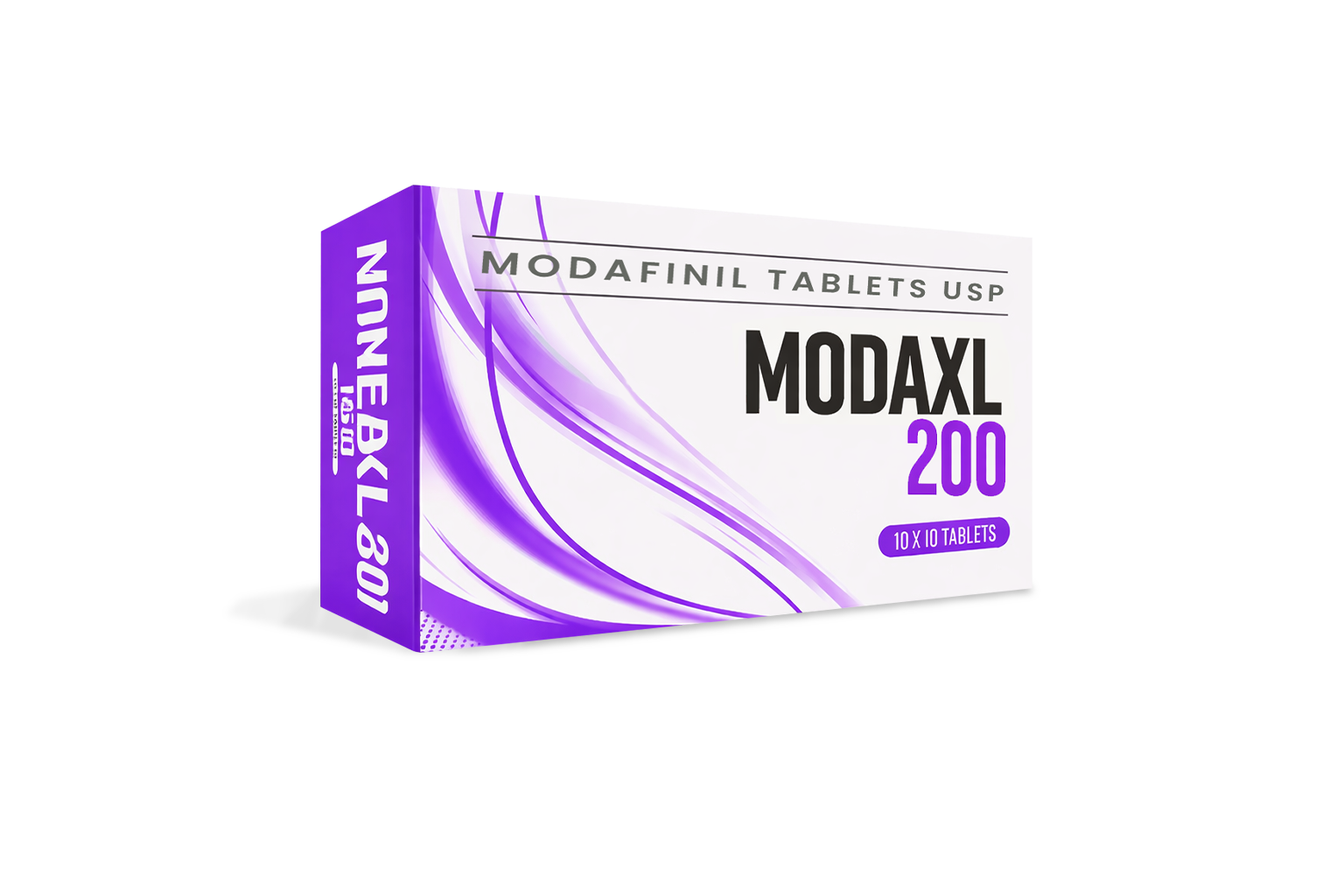
$109.00 – $449.00Price range: $109.00 through $449.00Rated 5.00 out of 5Shop Now This product has multiple variants. The options may be chosen on the product pageModaxl 200 mg
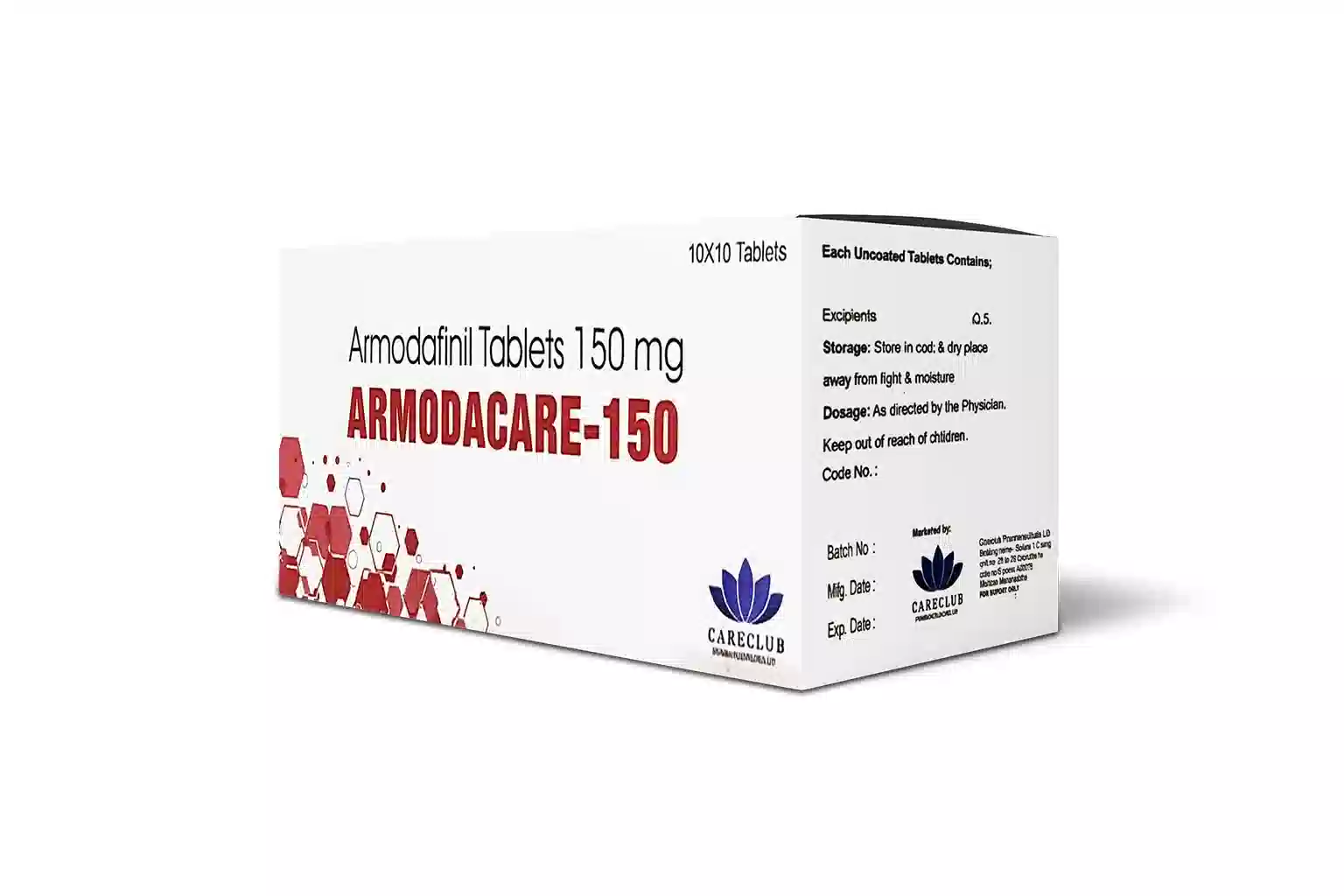
$129.00 – $779.00Price range: $129.00 through $779.00Rated 4.00 out of 5Shop Now This product has multiple variants. The options may be chosen on the product pageArmodacare 150 mg
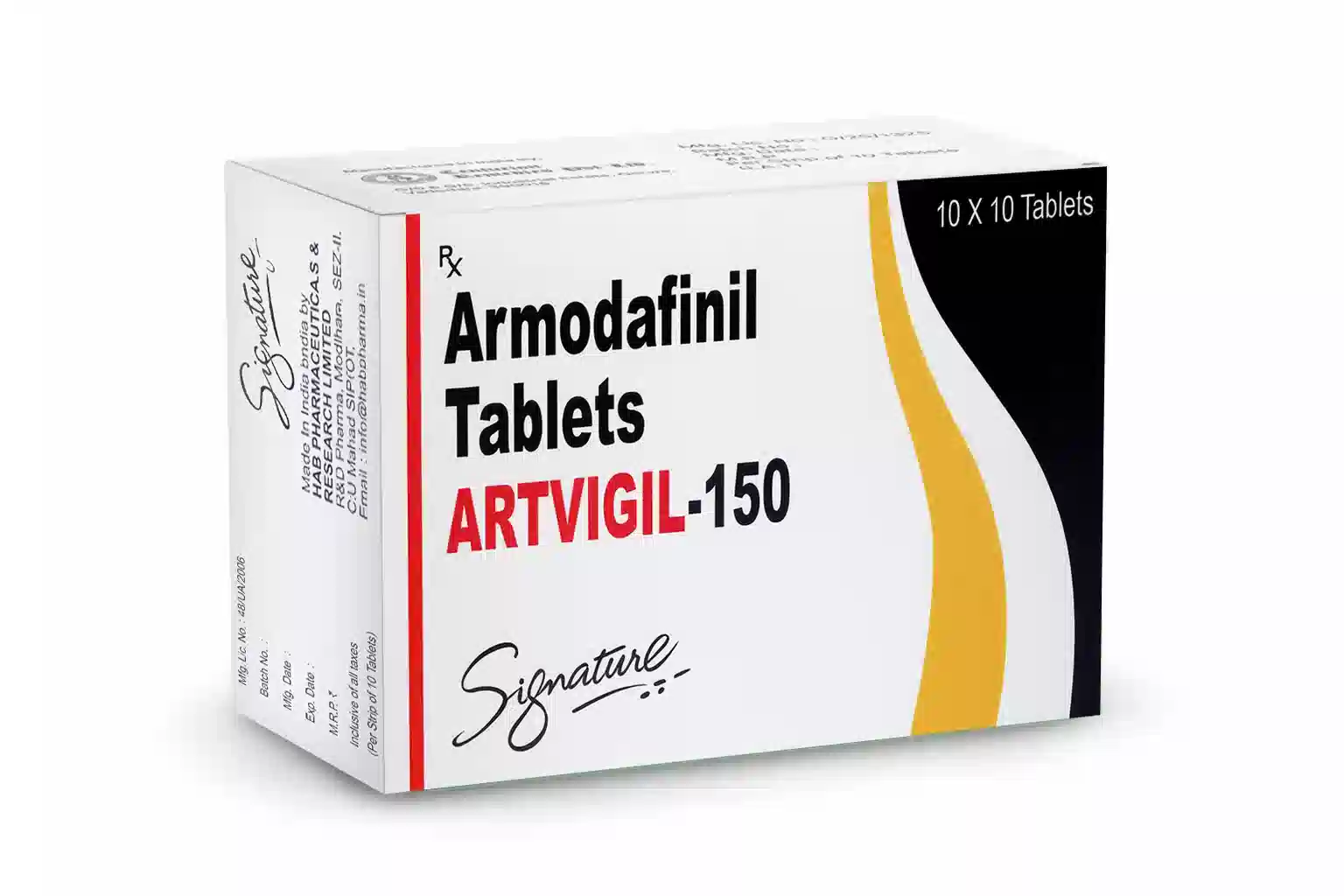
$89.00 – $419.00Price range: $89.00 through $419.00Rated 4.00 out of 5Shop Now This product has multiple variants. The options may be chosen on the product pageArtvigil 150 mg
$89.00 – $419.00Price range: $89.00 through $419.00Rated 5.00 out of 5Shop Now This product has multiple variants. The options may be chosen on the product pageModalert 100 mg
$69.00 – $449.00Price range: $69.00 through $449.00Rated 5.00 out of 5Shop Now This product has multiple variants. The options may be chosen on the product pageModalert 200 mg
$69.00 – $749.00Price range: $69.00 through $749.00Rated 4.00 out of 5Shop Now This product has multiple variants. The options may be chosen on the product page
Okay, but the food does matter
I know, I literally just said it’s not the food. It’s partly the food. Both things.
A big meal heavy on refined carbs can push your blood sugar up fast and then let it fall. Think white bread, chips, pasta, and a sugary drink on the side. There’s also a theory that carbs help tryptophan reach your brain, which gets turned into the chemicals that make you drowsy. Turkey gets blamed for this, but I think it’s more the size of the plate than the bird.
Not sure anyone has fully settled it, to be fair.
A giant lunch is probably the quickest way to end up sleepy after lunch. A lighter one with some protein and veg tends to go easier, at least for me. Not every day, though. Some days I eat a massive burrito and feel great, which ruins my theory.
And if there’s a pint or a glass of wine in the middle of the day, forget it. That’s a nap waiting to happen.
Last night’s sleep is in there too
This is the one people skip. If you slept five hours, the afternoon is where you pay for it. The natural dip gets deeper.
It’s not only short nights, either. Sleep disturbances can leave you flat the next day even if you were technically in bed for eight hours. Waking at 3 am, a snoring partner, a toddler, scrolling in bed.
I used to think I was fine with six hours. I wasn’t. The 2 pm version of me would have argued otherwise, if he could keep his eyes open.
If you notice you’re only sleepy after lunch on days following a bad night, that’s a pretty big hint. Fix the night first.
When it’s more than a normal dip
Quick, honest bit. Most of the time this is ordinary and harmless. But if you’re being flattened every single day, even after good nights, and it feels closer to excessive daytime sleepiness than a little yawn, mention it to a doctor.
Things like sleep apnea, anemia (anemia in the US), an underactive thyroid, or blood sugar problems can all do it. I can’t tell which one you have, and neither can a blog.
People type “why am I so tired after eating” into search bars all the time, and the answer is usually boring. But if you get shaky, sweaty, or very thirsty, or you’re peeing loads, or you feel close to fainting after meals, get checked. Don’t wait on that.
Also, if the heaviness comes with low mood and tiredness that has hung around for weeks, that’s a different conversation. Your GP in the UK, or your doctor in the US, is a good place to start.
A busy head counts
Sometimes it’s not physical at all. By two o’clock you’ve done a morning of meetings, messages, and tiny decisions, and your brain is full of mental clutter. It just wants to stop.
Or you’re bored. A dull spreadsheet at 2:30 would make anyone drowsy, I don’t care how well they slept.
I notice it less when the afternoon has something I actually care about in it. Which is annoying, because I can’t arrange that every day.
Coffee, water, and the obvious stuff
Coffee works for a lot of people, but it takes twenty minutes or so to kick in. A cup at four in the afternoon can also mess up that night’s sleep, which makes tomorrow’s dip worse. Round and round.
Water is boring advice, but being a little dehydrated makes you foggy. I’ve seen it boiled down online to “drink water for brain,” which is a clumsy way of putting it. Not wrong, though.
A glass before lunch is easy. A glass after, too.
Things that seem to help
Go outside for ten minutes. Daylight tells your body clock it’s still daytime, and moving around helps more than I expected. Even a lap of the car park counts.
A short nap, twenty minutes tops, works for some people. Longer and you wake up groggy and annoyed. Not everyone can nap at work, obviously. I definitely can’t, unless the meeting room is empty.
For afternoon energy, I’ve started saving the thinking-heavy stuff for the morning and leaving emails and admin for after lunch. It’s the simplest way I’ve found to stay productive without fighting my own body.
Some days it still doesn’t work. Some days you’re just wiped, and the best option is a walk and a biscuit.
The afternoon slump will come anyway. You can make it smaller, I think, but probably not delete it.
So, basically
Feeling tired after lunch is common, and it’s usually a mix of body clock, a big plate, a short night, and a big plate. Nothing mysterious.
But if it’s wrecking your days, or scaring you a bit, or it just feels wrong for you, get it looked at. That’s all I’ve got.
Right, it’s nearly two. I’m going outside.
Frequently Asked Questions
1.Why do I get sleepy after lunch?
Mostly a mix of your body clock’s natural afternoon dip, what you ate, and how well you slept.
2. Is being sleepy after lunch every day normal?
A mild dip usually is. If it’s heavy or constant, see a doctor.
3. Does eating less help?
Often, yes. Smaller meals with protein and veg tend to go easier on you.
4. Should I take a nap after lunch?
A short one, around 20 minutes, can help. Longer naps can leave you groggy.
5. When should I see a doctor?
If you feel faint after meals, are very thirsty and peeing a lot, or the tiredness never lets up.