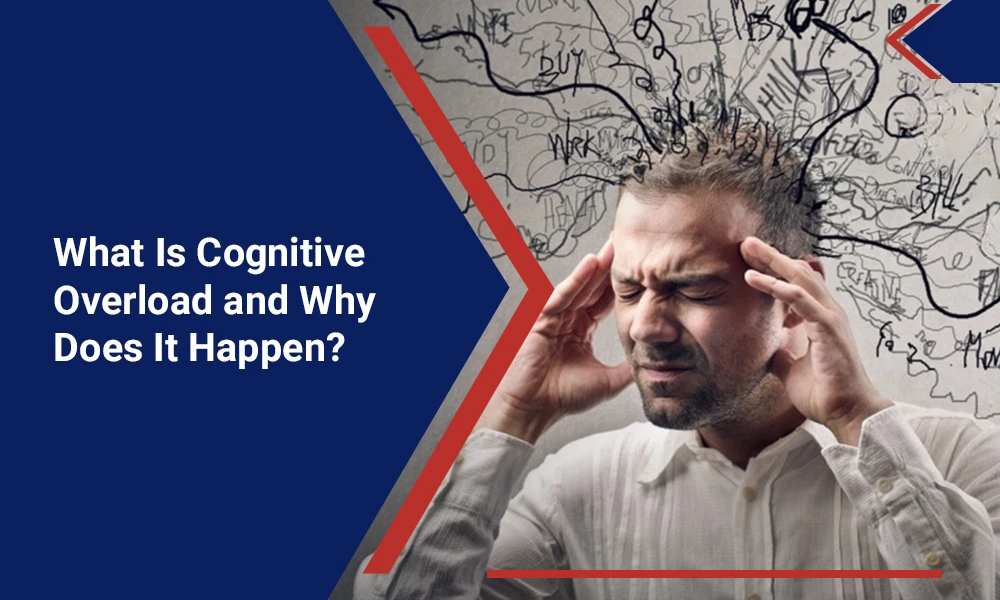
I walked into the kitchen last Tuesday and just stood there. Fridge open, cold air on my shins, absolutely no idea why I’d come in.
Sound familiar?
For ages I blamed sleep. Or stress. Or my phone, which, fair, is probably part of it. But there was this boring thing I kept skipping past, and it was water. Just plain water.
The link between dehydration and brain fog sounds too simple to be true. Your brain is roughly three-quarters water, give or take, so when you run a little low, it notices. Research on mild dehydration (a 1 to 2 percent drop in body water, not some desert emergency) has tied it to worse mood, more headaches, and a dip in cognitive performance. Two coffees and no water by 11 am? That can be enough.
Not always. I’ll get to that.
So what does it even feel like
Not dramatic. That’s the annoying part.
Most lists of symptoms of dehydration in adults start with thirst, but thirst shows up late, and I stop noticing it when I’m busy anyway. What I notice instead is a fuzzy, cotton wool feeling behind my eyes. Like my thoughts are wading through mud.
Here are the signs I’ve learned to watch for. Some are obvious. Some, less so.
1. A dull headache that never really commits
Not a migraine. Just a low, nagging pressure around the temples or the back of the head.
I used to reach for a painkiller straight away. Now I drink a big glass of water first and wait twenty minutes. Half the time it fades. Not every time, so don’t take my word as gospel.
Headache is one of the most common brain fog symptoms people mention, and it’s easy to blame on screens. Which, again, is also fair.
2. Losing words mid-sentence
You know when a word is right there and won’t come? Tip of your tongue, then gone.
I do this in meetings. I’ll say “the, um, the thing” when I mean the spreadsheet. Embarrassing. Then I look at my water bottle, and it’s full. Untouched. Since morning.
I’m not saying dehydration causing brain fog explains every blank moment, obviously. Tiredness does it too. Stress does it. But if it happens and you haven’t had a drink in hours, it’s worth a thought.
TOP PRODUCTS

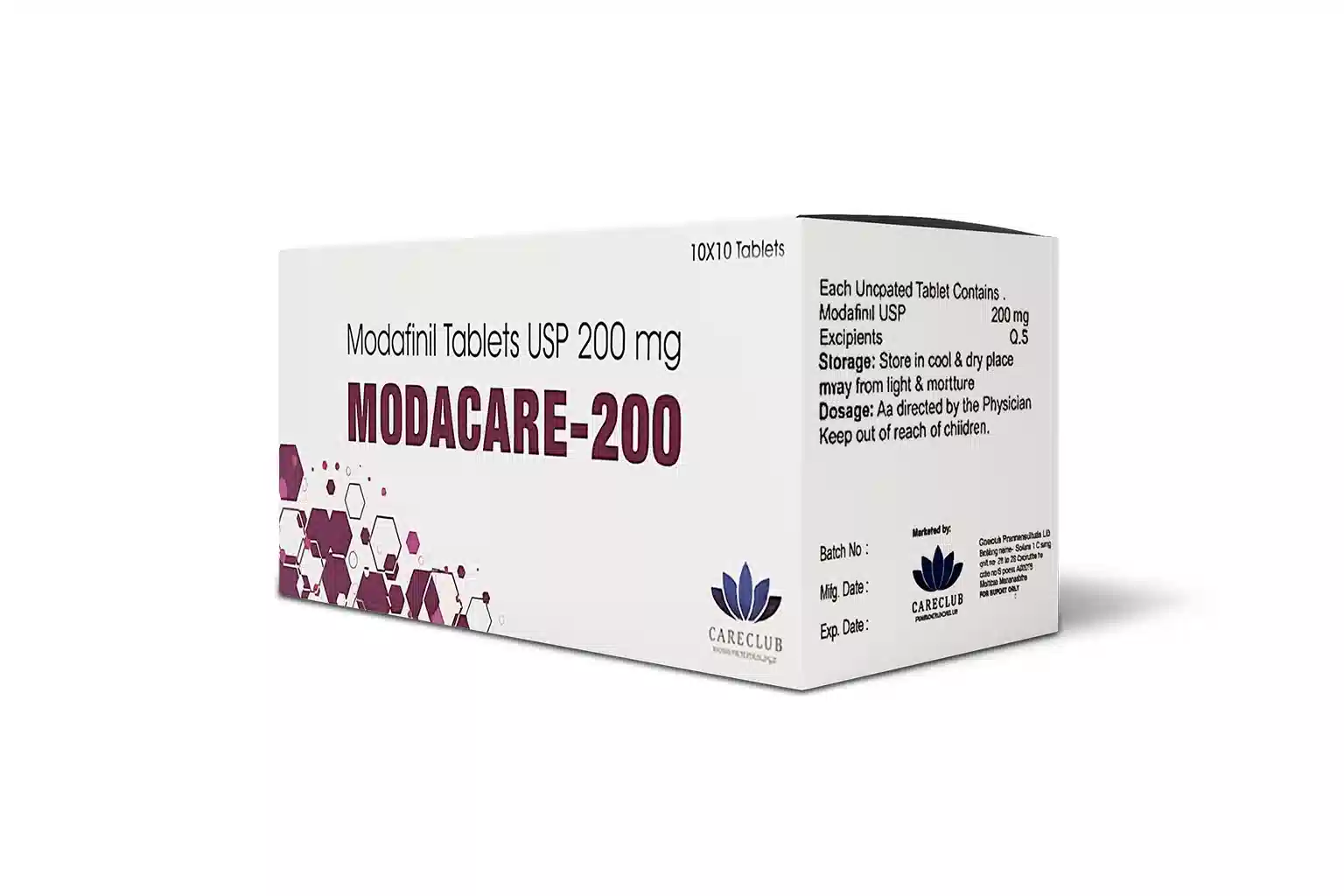
Modacare 200 mg
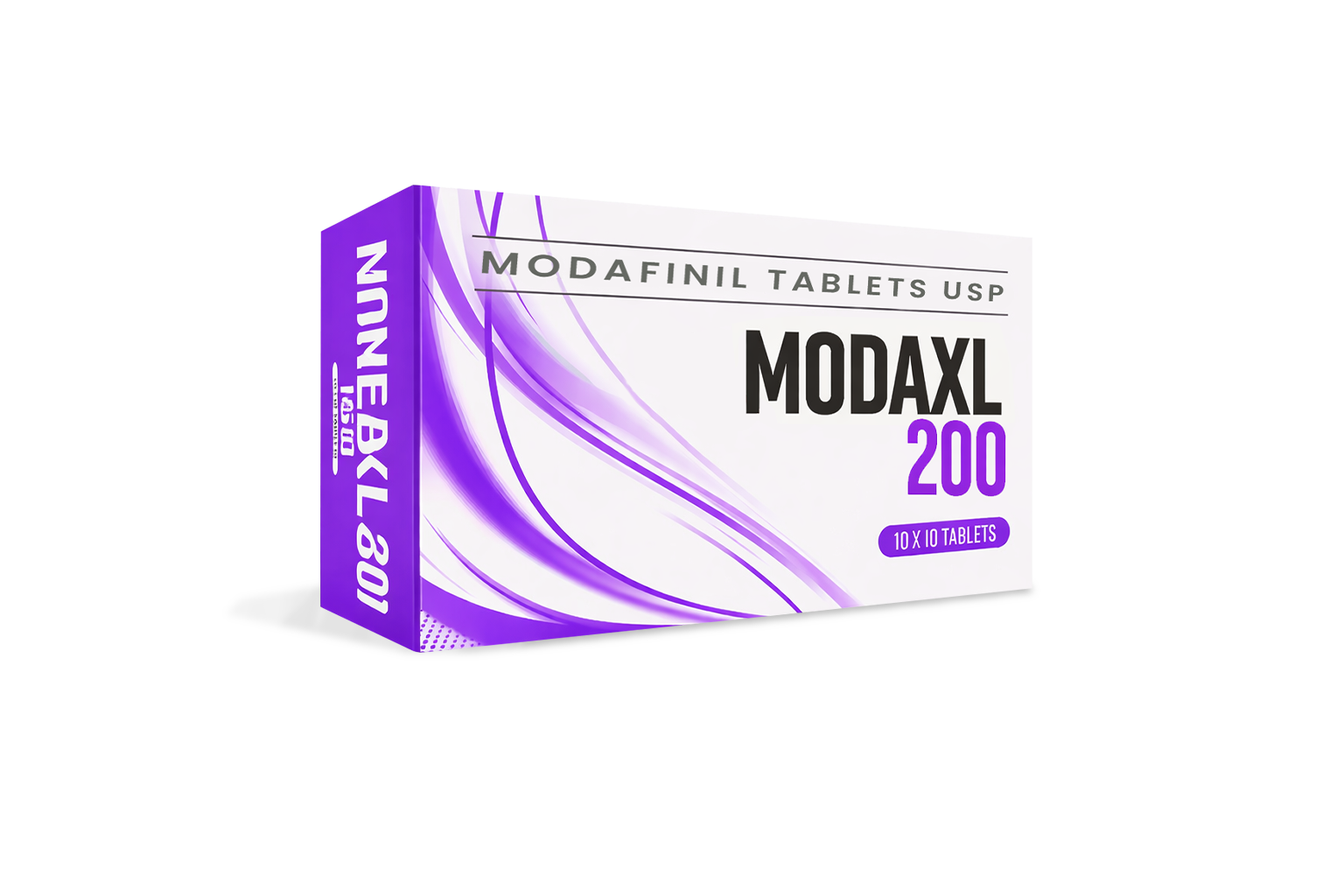
$109.00 – $449.00Price range: $109.00 through $449.00Rated 5.00 out of 5Shop Now This product has multiple variants. The options may be chosen on the product pageModaxl 200 mg
$129.00 – $779.00Price range: $129.00 through $779.00Rated 4.00 out of 5Shop Now This product has multiple variants. The options may be chosen on the product pageArmodacare 150 mg
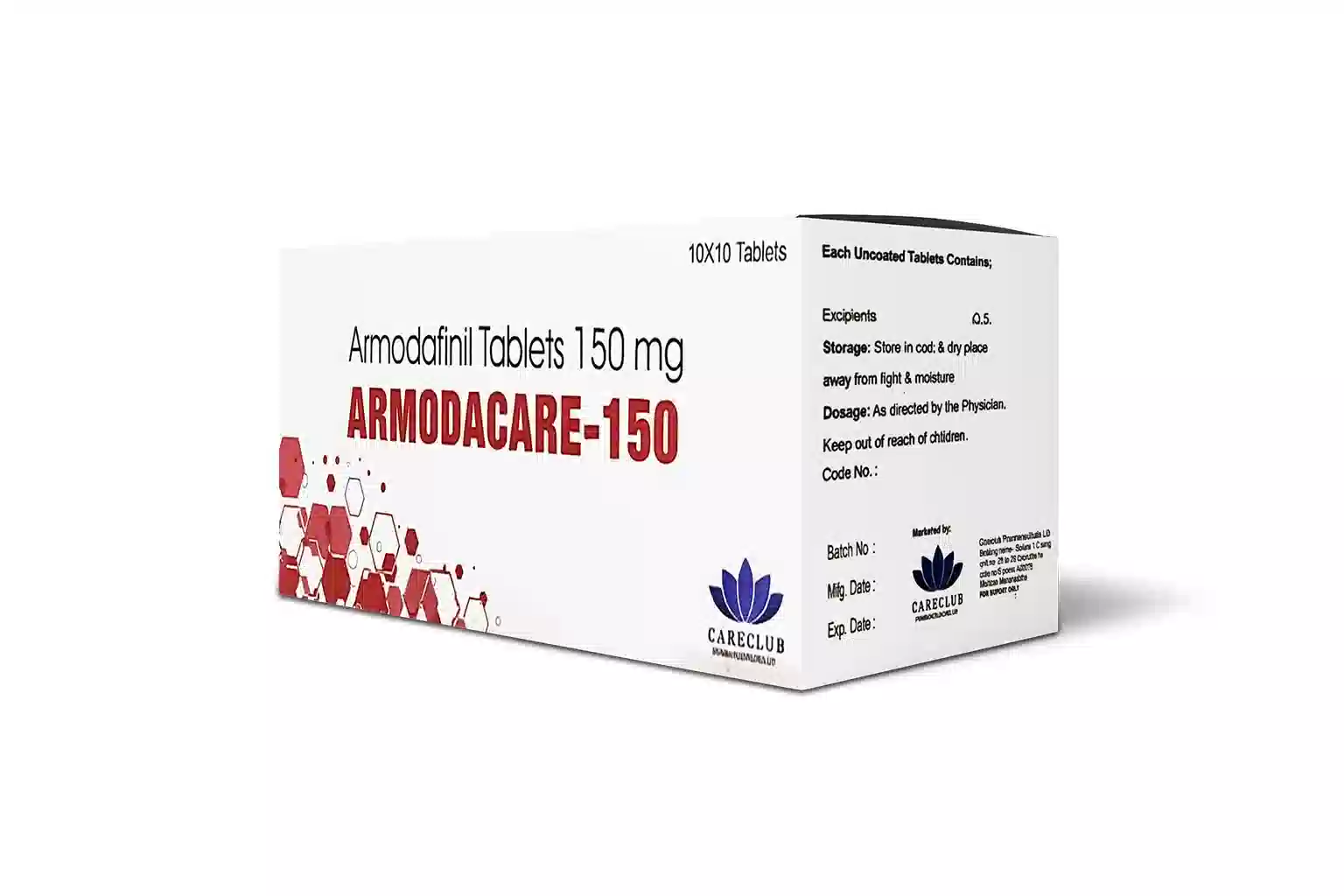
$89.00 – $419.00Price range: $89.00 through $419.00Rated 4.00 out of 5Shop Now This product has multiple variants. The options may be chosen on the product pageArtvigil 150 mg
$89.00 – $419.00Price range: $89.00 through $419.00Rated 5.00 out of 5Shop Now This product has multiple variants. The options may be chosen on the product pageModalert 100 mg
$69.00 – $449.00Price range: $69.00 through $449.00Rated 5.00 out of 5Shop Now This product has multiple variants. The options may be chosen on the product pageModalert 200 mg
$69.00 – $749.00Price range: $69.00 through $749.00Rated 4.00 out of 5Shop Now This product has multiple variants. The options may be chosen on the product page
3. The 3 pm wall
Everyone has this one. You’re fine, fine, fine, and then around three, your eyelids weigh a kilo each.
People jump straight to caffeine, and I get it. But a lot of what feels like daytime fatigue is partly just low fluid. Mental fatigue and dehydration seem to feed off each other, which is a bit unfair if you ask me.
And a second or third coffee can make it worse if it’s replacing water. Try a glass first. Still flat? Fine, have the coffee. I’m not the coffee police.
For me, those low energy levels after lunch got better once I started drinking earlier in the day. Not fixed. Better.
Dehydration and brain fog often turn up as exactly this slump, which is why it’s so easy to miss.
4. Snapping at people for no reason
Small things. Someone chews loudly, and you want to leave the country.
Mood seems to be one of the first things that gets hit with mild dehydration, going by several small studies. I’m not claiming water fixes a bad temper. But it’s a cheap thing to try before you have a row about the dishwasher.
5. Reading the same line four times
This is the one that got me. I’d read an email, reach the end, and have nothing. Back to the top. Again.
Reduced concentration like that is probably the most classic sign of dehydration and brain fog. Your attention just slides off things. Like trying to hold a wet bar of soap.
I ran a loose experiment, nothing scientific. Three days of actually drinking water. By day two, I was getting through emails for the first time. Could be placebo. Could be I slept better. I’ll take it either way.
6. Weirdly hungry
You’re hunting for biscuits, or crisps, or whatever’s in the cupboard, and you’re not really hungry. You just want something.
Some people say thirst can feel like hunger. The science on that is a bit mixed, honestly. But it’s a handy check. Drink something, wait ten minutes, then see.
If you’re still hungry, eat. Obviously eat.
7. The pee check (sorry)
Dark yellow, strong smell, not much of it. That’s your body waving a small flag.
Pale straw is the target. Totally clear all day isn’t the goal either, that can mean you’re overdoing it.
Foggy head plus dark pee plus a dry mouth? That’s pretty much dehydration and brain fog sending you a postcard. Feeling dizzy when you stand up fast is another one.
What I actually do now
Nothing fancy. A big bottle on my desk, refilled twice before lunch. That’s the whole system.
A glass when I wake up, before the coffee. Some water with meals. Fruit and veg count too: cucumber, oranges, that sort of thing.
People call it hydration for better focus, which sounds like a wellness slogan, but it’s mostly just not forgetting. Staying focused throughout the day got easier when I stopped treating water as an afterthought. And mental clarity and hydration do seem linked, in a way I didn’t expect. When I sip steadily, I don’t get the big crash.
The pattern of dehydration and brain fog was obvious once I actually looked for it. Before that, nothing.
Before you blame the water
Sometimes it isn’t the water.
If the fog doesn’t lift, especially alongside constant exhaustion, big mood changes, or anything else that feels off, talk to your doctor. Thyroid issues, low iron, poor sleep, and medication side effects can all do it. Dehydration and brain fog can overlap with all of that, so a glass of water won’t fix everything.
And if you’ve got a stomach bug, or you’re out in serious heat and feeling unwell, that’s a different level. Get proper help.
Anyway
Next time you’re standing at the open fridge wondering why, pour a glass of water first. Maybe it’s dehydration and brain fog again. Maybe it’s just Tuesday.
Frequently Asked Questions
1. Can dehydration really make you feel foggy?
Yes. Even mild fluid loss can affect focus, mood and memory.
2. How much water should I drink a day?
It varies, but many adults do fine with around 6 to 8 glasses of fluids, more in hot weather or when active.
3. How quickly does water help?
Often within an hour or so, though some people need longer.
4. Does coffee or tea count toward fluids?
In moderate amounts, yes. They still add to your daily intake.
5. When should I see a doctor?
If the fog lasts weeks or comes with other worrying symptoms.