First, how long has it actually been?
Some people feel different within a few days. Others need weeks. A couple of months isn’t unusual.Years of broken sleep leave a kind of debt, and your body doesn’t pay it off overnight. My dad’s first week was mostly vivid dreams and grumpiness.But if it’s been months and you still feel flat, that’s a different story. Don’t just push through it.So why are some people tired even when using CPAP?
Usually it isn’t one thing. It’s a couple of small things stacked up.I typed “why am I still tired with CPAP” into a search bar at midnight once, on my dad’s behalf. The answers were all over the place, so here’s the pile I sorted them into.The mask leaks and you don’t notice
A CPAP mask leak is probably the most common culprit. Air escapes around the edges, the machine tries to make up for it, and your sleep gets chopped into little bits.You might hear a hiss. Or you might not. Plenty of people who are tired even when using CPAP have a leak they’ve never once noticed, because they were asleep.Signs can be dry eyes, a red patch under the eye, or a partner complaining about the noise. Or nothing, just a flat morning.Masks wear out too. Cushions go stiff, and headgear stretches. Most suppliers suggest replacing parts every few months, and almost nobody does.Weight changes your face. So does a new beard, or losing a few teeth. A mask that fit in January might not fit in October.TOP PRODUCTS

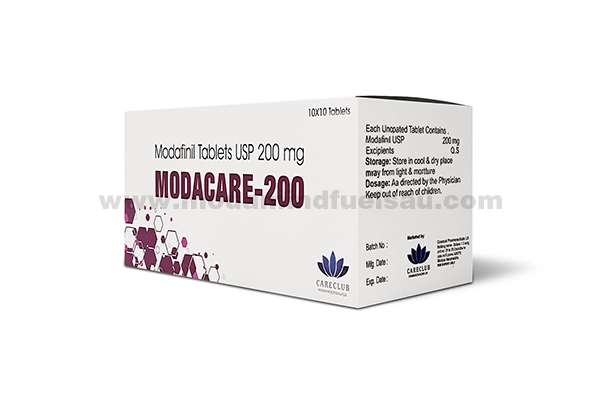
Modacare 200 mg
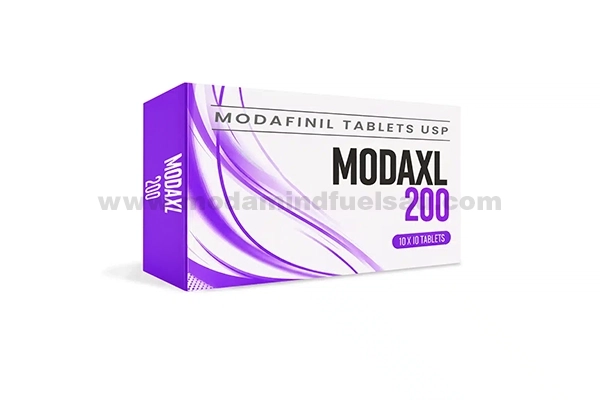
$109.00 – $449.00Price range: $109.00 through $449.00Rated 5.00 out of 5Shop Now This product has multiple variants. The options may be chosen on the product pageModaxl 200 mg
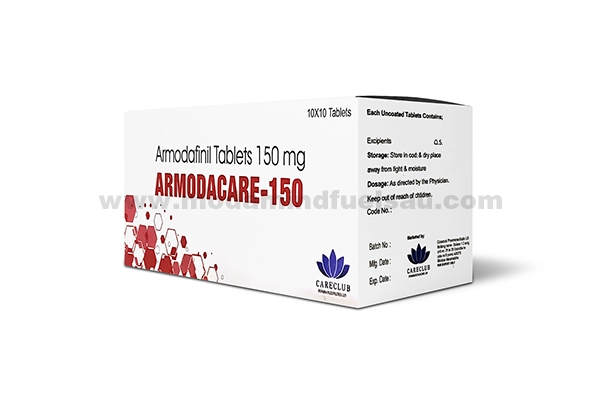
$129.00 – $779.00Price range: $129.00 through $779.00Rated 4.00 out of 5Shop Now This product has multiple variants. The options may be chosen on the product pageArmodacare 150 mg
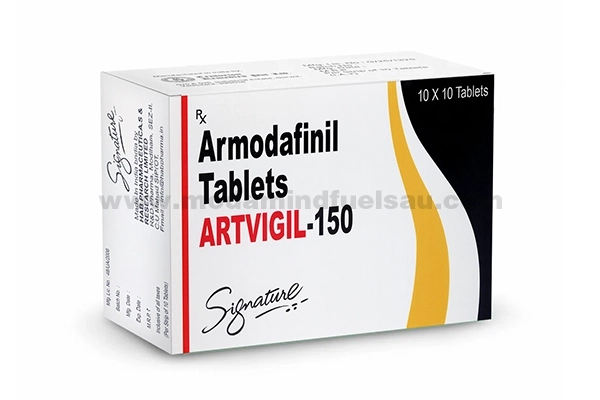
$89.00 – $419.00Price range: $89.00 through $419.00Rated 4.00 out of 5Shop Now This product has multiple variants. The options may be chosen on the product pageArtvigil 150 mg
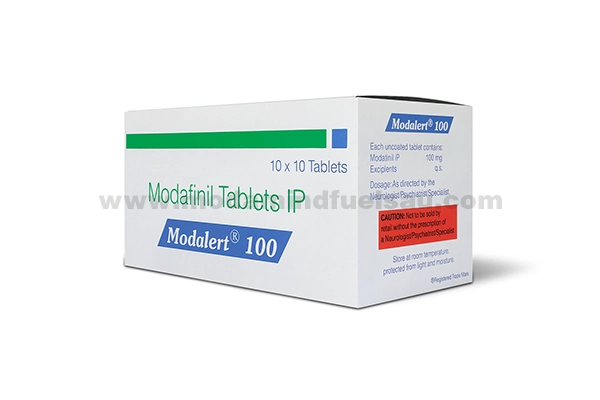
$89.00 – $419.00Price range: $89.00 through $419.00Rated 5.00 out of 5Shop Now This product has multiple variants. The options may be chosen on the product pageModalert 100 mg
$69.00 – $449.00Price range: $69.00 through $449.00Rated 5.00 out of 5Shop Now This product has multiple variants. The options may be chosen on the product pageModalert 200 mg
$69.00 – $749.00Price range: $69.00 through $749.00Rated 4.00 out of 5Shop Now This product has multiple variants. The options may be chosen on the product page
The pressure’s a bit off
Your CPAP pressure settings were chosen based on a sleep study or an auto-adjusting machine, and neither is perfect. Too low, and your airway still collapses now and then. Too high, and you swallow air, feel bloated, and wake up gassy and sore.
Pressure needs can change over time. Gain or lose a decent amount of weight, start a new medication, and what worked before might not now.
My dad’s was set once and never looked at again. Nobody told him he could ask.
If you’re tired even when using CPAP, a quick question to your sleep doctor is whether the settings were ever rechecked. You shouldn’t fiddle with them yourself, though. It’s tempting. Don’t.
You might still have apnea going on
This one surprised me. The machine can be on, the mask can be on, and you can still stop breathing for short spells.
It’s called residual sleep apnea, and it’s usually spotted from the machine’s data, not from how you feel. Most machines record something called AHI, which is roughly how many breathing events you have per hour. Under five is generally the target, but your doctor will know what’s right for you.
There’s also a rarer thing where central apneas show up once treatment starts, which is the brain forgetting to signal breathing, not the airway closing. That’s one for a specialist to sort out, not a forum.
Sleep apnea daytime sleepiness doesn’t always vanish just because the treatment started either. It can linger while things get adjusted.
Dry mouth, stuffy nose, waking up all night
Waking with CPAP and dry mouth is miserable. Usually it means air is leaving through your mouth, and the dry air dries it out. Heated humidifiers help. A chin strap helps some people, and a full-face mask helps others. Or a nasal spray, if a blocked nose is forcing you to breathe through your mouth in the first place.
Then the other CPAP side effects people grumble about. Bloating. Skin sores from the mask. A claustrophobic feeling at 3 am. Ear pressure, now and then.
None of it is dangerous, mostly. But if you’re waking up ten times a night to fiddle with straps, that’s how you end up with poor sleep quality with CPAP even though the machine was technically running all night.
I think people put up with this stuff far too long. It’s not weakness to ask for a different mask. Honestly, it might be the whole fix.
The hours don’t add up
Here’s an uncomfortable one. Some of us take the mask off at night without remembering, and then we say we “use it every night.”
The usual benchmark, especially for insurance in the US, is at least four hours a night on most nights. That’s the bare minimum for paperwork, not for feeling well. Most sleep doctors want you closer to seven or eight.
If you’re only wearing it for five hours and sleeping for eight, then three hours a night are untreated. Sometimes the answer to being tired even when using CPAP is just that the mask comes off at 4 am.
It’s worth looking at your usage numbers. They’re often in an app, like myAir or something similar. You might be surprised.
Something else is going on
This is the one nobody wants to hear, but sleep apnea isn’t the only reason people are tired.
Restless legs. Insomnia. Narcolepsy, rarely. Low thyroid, low iron, and low vitamin D. Depression, which loves to hide behind “I’m just tired.” Some medications make you drowsy. So do alcohol in the evening, late caffeine, and a bedroom that’s too warm.
And the plain stuff. A newborn, a night shift, and a stressful year.
Fixing the apnea doesn’t magically fix all of that. It just removes one cause. That’s where a blood test and a proper chat with your GP or doctor can be useful.
What I’d actually do
If it were me, I’d start with the data. Check hours used, leak numbers, and the AHI figure if the machine shows it. Some people use software like OSCAR to look closer, though your doctor’s office can pull the report too.
Then I’d ring whoever supplies the machine, or the sleep clinic. In the US, that’s often a medical equipment supplier plus your sleep physician. In the UK it’s usually your NHS sleep clinic, or your GP to get the referral going.
I even found threads from people searching for sleep apnea treatment Australia with the same complaints. So it isn’t a US or UK thing. It’s just a CPAP thing.
I’d go in with notes. When you feel the worst, how many hours do you wear it, any dryness, any bloating? It helps more than saying “I’m just tired.”
And if you’re falling asleep at the wheel, stop driving and get seen urgently. That’s not a wait-and-see situation.
Back to my dad
Turned out his mask was leaking, the humidifier was set too low, and he’d been taking it off around 4 am without realising. A new size, a higher humidity setting, and a very gentle word from my mum fixed most of it.
It took about a month. He stopped napping in the armchair, mostly. He’d deny that, naturally.
The point, I guess, is that “I use my CPAP” and “my CPAP is working for me” aren’t the same sentence. Annoying, but true.
Frequently Asked Questions
1. Is it normal to be tired even when using CPAP?
It’s common early on, but ongoing exhaustion deserves a check-up.
2. Can a mask leak really make me tired?
Yes. Leaks can fragment your sleep and leave some apnea untreated.
3. How many hours should I wear it?
At least four hours is the usual minimum, but most doctors want seven or more.
4. Should I change my pressure myself?
No. Ask your sleep doctor or clinic to review it.
5. How do I find out if apnea is still happening?
Check your machine’s data, like AHI and hours used and share it with your doctor.