It’s 3:12 am. I know because I’ve checked the clock four times, which apparently is the one thing you’re not supposed to do.
by brain is running a full meeting. The agenda is something awkward I said in 2017, tomorrow’s emails, and whether the noise my car’s been making is serious.
So I type “I can’t sleep” into my phone. Yes, the bright screen. Yes, I know.
This is me reading around and sharing what’s helped, so please don’t treat it as medical advice.
Why is my head so loud at night?
Daytime keeps you busy. Night doesn’t. No emails, no kids, no telly, so every unresolved thing walks in and sits down.
There’s a body side to it too. When you’re stressed, your system goes into alarm mode. Heart rate up, muscles tight, and stress hormones like cortisol hanging around. Sleep needs the opposite: slow, warm, and heavy. You can’t really do both at once.
Researchers call it hyperarousal, which is a posh way of saying wired. A lot of sleepless nights seem to come down to this: a tired body with an alarm system that won’t switch off.
Tired but wired. That’s the phrase I keep coming back to.
The loop is the real problem
One bad night is normal. Everyone gets them.
Then you start dreading the next one. By 9 pm you’re already doing sums. If I’m asleep by midnight, I get six hours, if I’m asleep by one, I get five… which is a brilliant way to wake yourself up. That’s sleep anxiety, more or less, worrying about sleep so much that the worry keeps you awake.
And not being able to sleep when you’re desperate for it is its own special torture. The harder you try, the further it runs off. Sleep is a bit like a cat. Chase it, and it leaves. Ignore it, and it sits on your chest at 2 am.
It goes both ways, annoyingly
Stress wrecks sleep, and bad sleep makes stress worse.
How does sleep reduce stress, though? Nobody has the full answer. But brain imaging studies suggest that after a poor night, the brain’s emotional alarm centre (the amygdala) reacts more strongly to upsetting things, and its link with the calmer, thinking part of the brain gets weaker. So everything feels bigger than it is. A decent night seems to turn that back down.
I say “seems” because I’m reading summaries, not running the studies. But it matches my experience. Everything’s a disaster at 3 am and mildly irritating at 10.
The upshot is that anything lowering your stress in the day might help at night, and the other way round. A bit circular, I know.
Is this insomnia or just a rubbish week?
Having trouble sleeping for a few nights after bad news or a work deadline is really common, and it usually passes by itself. A run of sleepless nights like that doesn’t mean something’s broken.
Doctors tend to use the word insomnia when it happens at least three nights a week for around three months, and it’s messing with your days. Surveys suggest a fair chunk of adults, maybe a third, have some symptoms at some point. The numbers vary depending on who you ask.
So you’re not odd. Probably.
What to try when you’re actually awake
I’ll start with things to do when you can’t sleep, because that’s likely why you’re reading this at an ungodly hour.
Slow your breathing. In through your nose for about four, out for six or eight. A longer breath out nudges your body toward calm. There’s no magic in it, it’s just physiology. The popular 4-7-8 version works for some people, and others find it makes them dizzy, so go gently.
Do a brain dump. Keep a pen and paper by the bed and write down everything swirling around. A small study from Baylor University found that people who spent five minutes writing a to-do list before bed fell asleep faster than people who wrote about things they’d already done. It was small, but it makes sense. Your brain stops holding things when they’re written down.
Try tensing and releasing your muscles, toes first, then up. Hold each for a few seconds and let go. It’s dull in a good way, and it gives your mind something to chew on besides the 2017 thing.
There’s also a trick called the cognitive shuffle. You pick a random word, say “garden”, and think of words starting with each letter, picturing each one. The idea is that it mimics the weird random thoughts you get as you drift off. The evidence is thin. I like it because it’s silly, and silly is hard to be stressed about.
If you’ve been awake for what feels like twenty minutes or more, get up. Go to another room, keep the lights low, and do something boring. A book, not your phone. Go back when you feel sleepy. Lying there frustrated teaches your brain that bed means frustration.
Turn the clock to face the wall, too. Honestly, that one’s a game changer.
TOP PRODUCTS

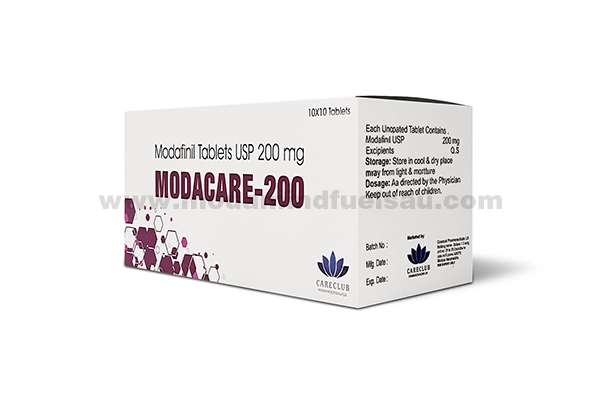
Modacare 200 mg
$109.00 – $449.00Price range: $109.00 through $449.00Rated 5.00 out of 5Shop Now This product has multiple variants. The options may be chosen on the product pageModaxl 200 mg
$129.00 – $779.00Price range: $129.00 through $779.00Rated 4.00 out of 5Shop Now This product has multiple variants. The options may be chosen on the product pageArmodacare 150 mg
$89.00 – $419.00Price range: $89.00 through $419.00Rated 4.00 out of 5Shop Now This product has multiple variants. The options may be chosen on the product pageArtvigil 150 mg
$89.00 – $419.00Price range: $89.00 through $419.00Rated 5.00 out of 5Shop Now This product has multiple variants. The options may be chosen on the product pageModalert 100 mg
$69.00 – $449.00Price range: $69.00 through $449.00Rated 5.00 out of 5Shop Now This product has multiple variants. The options may be chosen on the product pageModalert 200 mg
$69.00 – $749.00Price range: $69.00 through $749.00Rated 4.00 out of 5Shop Now This product has multiple variants. The options may be chosen on the product page




Daytime stuff matters more than you’d think
The best way to relieve stress is probably whichever one you’ll actually do. A walk in daylight. A phone call with a friend. Ten minutes of doing nothing on purpose. Exercise helps lots of people, though a few find hard workouts late at night wind them up.
When people ask how to relieve stress and anxiety, the answer is usually a pile of small, dull things, not one big dramatic fix. A regular wake-up time. Morning light, which helps set your body clock. Caffeine cut off by early afternoon. Less alcohol, because a glass of wine knocks you out and then wrecks the second half of the night.
One thing I’ve started doing is a “worry window.” Fifteen minutes, early evening, where I write down what’s bugging me and the next small step for each. Then when the worries turn up at midnight, I can say, “That’s on the list.” It doesn’t always work. It works more than it doesn’t.
I used to say “I can’t relax” a lot, as if relaxing were something you do by effort. It’s more like something you allow by setting up conditions. Dim lights. A warm shower an hour or so before bed. No news. Phone out of reach, or at least face down.
Daytime habits do more for sleepless nights than any trick you try at 3 am. I wish that weren’t true, because it’s so much less exciting.
What about when it’s anxiety?
People search for how to sleep when anxious as if there’s a secret move, and honestly it’s mostly the same tools, plus a bit of kindness.
Try telling yourself, “This is my alarm system being overprotective. Lying here quietly still counts as rest.” It sounds soft. But fighting the anxiety and fighting the clock just adds more adrenaline. Resting with your eyes closed isn’t as good as sleep, but it’s nothing, and it takes the pressure off.
The sleeping thing
This is a bit of a tangent, but I keep noticing people searching for how to train yourself to sleep less. And its cousin, how to sleep less and better.
I get the appeal. More hours in the day. But most adults need around seven to nine hours, and a very small number of people have a rare gene that lets them do fine on less. Probably not you. Definitely not me.
Forcing it tends to leave you grumpy, forgetful, and worse at handling stress, which loops back around to sleepless nights. If you want more energy, better sleep usually beats less sleep.
No, you can’t fix it in twelve minutes
I’ve seen videos promising how to cure insomnia in 12 minutes. I’d be skeptical. Some tricks can help you drift off tonight, sure, but long-running insomnia usually needs more than a trick.
How to deal with insomnia that’s stuck around? The best-supported treatment is CBT-I, which is cognitive behavioral therapy for insomnia. It isn’t about lying on a couch talking about your childhood. It’s practical: setting a consistent sleep schedule, retraining your brain to link bed with sleep, and dealing with the racing thoughts. UK and US guidelines both put it ahead of sleeping tablets as a first option. There are online versions too, and your GP or doctor can tell you what’s available where you live.
Sleeping tablets can help in the short term for some people. They’re not usually a long-term answer, and that’s a conversation to have with a doctor.
When to get help
If sleepless nights have dragged on for weeks, you’re struggling at work, you’re snoring loudly and waking up gasping, or you feel low or hopeless, see your GP or doctor. Breathing problems and low mood can both sit underneath bad sleep, and both are treatable.
If you’re ever having thoughts of harming yourself, please reach out straight away. In the UK, you can call Samaritans on 116 123. In the US, call or text 988.
Back at 3:12 am
I got up in the end. Made a boring decaf tea, wrote “car noise, book garage” on a sticky note, and sat in the dim kitchen feeling slightly ridiculous. I was asleep by about four.
Not a victory. The next day was rough. But the night after that was better, and the one after that was fine.
Sleepless nights feel endless while you’re in them. They usually aren’t. Go easy on yourself, and if the clock’s staring at you, turn it round.